

Digital Residues: Durga Puja and the Corona Pandemic
contributed by Xenia Zeiler, 7 April 2025
Durga Puja, a festival characterized by elaborate public celebrations and pronounced community aspects, is celebrated all around the globe. The community Durga Puja pandals in the city of origin, Kolkata, have been renowned for their creative, artistic and topical nature for about a century or even longer. Numerous locations in the city compete in creatively visualizing and displaying themes that are relevant for the social fabric of the persons celebrating together. Annually, festival visitors, the press and numerous stakeholders debate who created the timeliest, catchiest pandals – often in and via social media.
Unsurprisingly, the pandemic changed everything, including artistic representations, themes and festival practices. During the times of physical Covid restrictions (in 2020 and 2021), the public gatherings and pandal visits were massively restricted. After that and unsurprisingly, the festivities returned with a burst of creativity, pomp and community spirit. So – is all back now to how things have been pre-Covid, or do we see (lasting) impacts and signs of a ‘new normal’?
Corona-Themed Durga Puja Pandals in 2020 and 2021
In March 2020, the WHO officially declared the COVID-19 outbreak a pandemic. And it was only in May 2023 that the WHO declared an official end to it. During parts of these times India saw severe contact restrictions which, of course, also left their mark on the nation’s highly vibrant festival cultures. The Durga Puja celebrations in Kolkata and elsewhere never came to a complete hold; even during the very severe restrictions in 2020 pandals were erected throughout the city. Yet, “empty pandals and virtual celebrations” dominated the festivities in 2020.

Image 1. “A community Durga Puja pandal depicting coronavirus-induced lockdown in Kolkata (Photo: PTI)”, published on 22 October 2020 here.
Among the pandals that were erected, several dealt with the pandemic. In the spirit of the festival’s long tradition of creatively, artistically representing up-to-date social issues (often with a critical undertone), topics around Corona were incorporated quite naturally, too. Such Corona-themed pandals visually took up various aspects of the pressing health concerns, weaving Covid into the festival’s community fabric. 2020 and 2021 saw pandals honouring the exceptional work of health care workers, highlighting (especially female) migration workers' extreme hardships during lockdowns, virus-resembling Mahisha demons slain by the goddess, and many more themes related to the pandemic’s continuing social impacts.
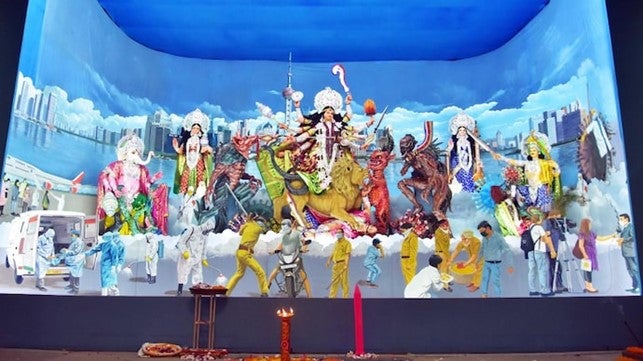
Image 2. “A Durga Puja pandal with paintings on the pandemic in Kolkata on Monday. (ANI)”, published on 22 October 2020 here.
Some of these 2020 Corona themes were also visible in the 2021 Kolkata celebrations. But additionally, 2021 saw two sad novelties which attest for immediate Covid-related changes in how the participating communities organized and celebrated the festival. Firstly, memorials for and tributes to Covid victims were incorporated in several Durga Puja locations, honouring deceased members of the communities with displays of their photos, related collage artwork, and rituals. Secondly, at least one hospital decided to arrange for Durga Puja celebrations especially for Covid patients in their hospital ward. These two alterations were temporary, restricted to 2021 as the year following the heaviest losses of lives due to the pandemic. And yet, they mark a significant alteration to Kolkata’s pre-pandemic ways of celebrating the festival.
2022 Marks a Double Win
After two consecutive years of contact restrictions, 2022 turned out to be a notable year in Kolkata’s Durga Puja history. On the one hand, two years of physical restrictions had ended, and in-person celebrations returned to pre-covid levels. For some, this event marked a mega Durga Puja. Security was beefed up to cope with the expected crowds as the long awaited pandal hopping was possible again. Lights, colors and shared joy were back on the streets.
In addition to the returning crowds, 2022 saw a record covering of the Kolkata Durga Puja in digital spaces, particularly on social media. During the pandemic, social media use had exploded to reach new heights and what better ways to feed your Instagram, Facebook, YouTube channel and other social media with new photos and videos, than a grand festival! One of the, though certainly not the only, prominent formats of doing so was featuring the festival in different kinds of travel reports. We see YouTube videos about the preparations (for example, statue making), countless traveler’s guides for visitors from outside the city and travel reports after the festival. The hype and crowds even led to some reports about this being a bit *too* much. Because “Durga Puja 2022: it's Different!”.
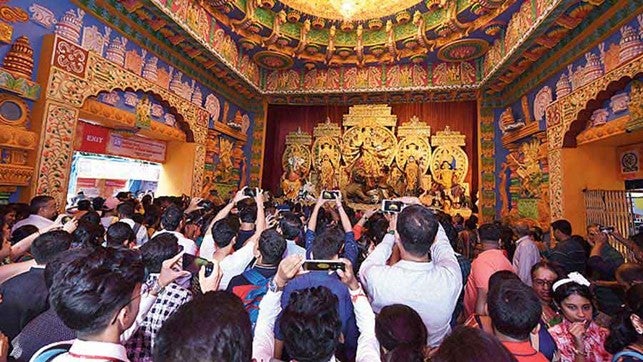
Image 3. “Durga Puja excitement has long been dimmed by the reality of how it unfolds. TT archives”, published on 8 October 2022 here.
On the other hand, the festival had just gained fresh international awareness with a new title. The festival was added to UNESCO’s intangible cultural heritage list in December 2021, that is, just after the 2020 celebrations. This recognition was received very positively in Indian news media coverage which, among other things, also reported that it boosted the celebrations. Overall, both major occurrences combined, the full reopening of all pandals and the UNESCO cultural heritage tag, resulted in the 2022 festivities being celebrated “with vengeance”.
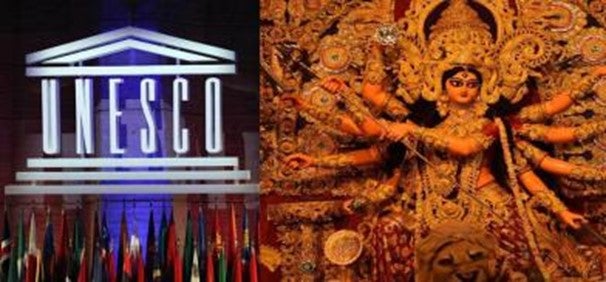
Image 4. “Durga Puja in Kolkata now on UNESCO's Intangible Heritage List”, published on 16 December 2021 here.
Long-lasting Impacts from 2023 Onward?
But what happened after 2022? Do we see continuing changes in the modalities and practices of celebrating the highly community-oriented Durga Puja in Kolkata, after the global health emergency period came to an end? Are there indicators that the pandemic has had longer-lasting effects, extending beyond the two restricted (in terms of physical festival attendance) and restricting (in terms of pandal creation and preparations) celebration periods of autumn 2020 and 2021? Or simply: is there a ‘new normal’ for Kolkata Durga Puja?
In summary, at first glance, it seems that most of the previously dominant (religious, cultural, artistic and overall social) practices of jointly celebrating the Kolkata Durga Puja in-person have not changed much after the pandemic. That is, when physically mingling in the crowds, prevailing cherished habits such as sharing food, jointly shopping or jointly pondering over the visited pandals’ pros and cons have not changed. And that comes as no surprise at all, given the strong community aspect that the festival has always had and that is seen as the very core of the celebrations by many, if not most, visitors.
But on top of this return to the much-loved in-person mingling and pandal-hopping, we see another strong trend, following digital global transformations: exceeding photo- and videographing with the explicit goal of sharing selected visual gems on social media. Everywhere around the globe, the pandemic has massively accelerated the use of social media and naturally, this also impacts festival cultures. And Durga Puja, without any doubt, is a very photogenic festival. Numerous apps exist by today, guiding the visitor to the most insta-worthy pandals. Durga Puja’s colors, lights and creative, artistic pandals as well as the festive buzz and splendidly dressed visitors almost call for snapshots and a fervent move to digital spaces, especially to social media.
Maybe also some of the 2024 main pandal themes, displaying many nature environment, sustainability and migration related themes, are thematic residues of the pandemic, attesting for a slight shift in what pandal creating communities deem timely and worth representing. But then, these themes are not entirely new in the Kolkata Durga Puja cosmos but have been taken up already in the past. What is equally not entirely new but what did see a vast acceleration through the pandemic is the massive move to digital spaces. It is certainly no coincidence that 2022, the first unrestricted celebrations after the pandemic, saw a new quantity and quality of social media coverage. This ‘new normal’ is certainly here to stay.
Disclaimer: The views and opinions expressed in this article are those of the authors and do not necessarily reflect the position of the blog editorial team or the Asia Research Institute.
South Asia | Southeast Asia | East Asia | Other Places | Hinduism | Buddhism | Islam | Christianity | Other Religions | Pandemic Leftovers | All Posts
Xenia Zeiler is Professor of South Asian Studies at the Department of Cultures, Faculty of Arts, University of Helsinki. Her research and teaching are situated at the intersection of digital media, culture, and society, specifically as related to India and global Indian communities. Her focus within this wider field of digital culture is video games and gaming research, in India and beyond. Closely related to and supporting this are her other major research areas: To understand how digital spaces such as social media or video games, and more traditional media formats such as film or TV, shape and are shaped by various actors, she researches and teaches digital religion, popular culture, cultural heritage, and mediatization processes.