
Resilience in Exile: Tibetan Buddhist Adaptations in the Post-Pandemic World
contributed by Gurmeet Kaur, 9 April 2025
The COVID-19 pandemic posed unprecedented challenges for refugee communities worldwide, including Tibetan refugees in India, who faced disruptions to their spiritual, social, and economic lives. India hosts the largest Tibetan diaspora, with 110,000 Tibetan refugees residing in 45 Settlements and outside the Settlements spread across different States in the country. The majority live in exile, holding Refugee Certificates (RCs) issued by the Indian government which grant them residency rights but not full citizenship.
Beyond the immediate health risks, the pandemic disrupted socioeconomic structures, religious practices, and community networks. However, Tibetan Buddhism played a central role in shaping the community’s response, offering psychological resilience and practical coping mechanisms. Drawing from qualitative fieldwork conducted in Tibetan settlements in Dharamshala and Delhi during the second wave of the pandemic, this study examines how Tibetan Buddhist institutions, monastics, and lay practitioners navigated the crisis and its aftermath. A key finding is that the digital transition of Tibetan Buddhism, initially a necessity during lockdowns, has resulted in a sustained democratization of religious access, expanding global connectivity between Tibetan Buddhist experts and practitioners. This shift marks a significant step in the internationalization of Tibetan Buddhism , allowing even those in remote areas to engage with high-level teachings in ways previously impossible.
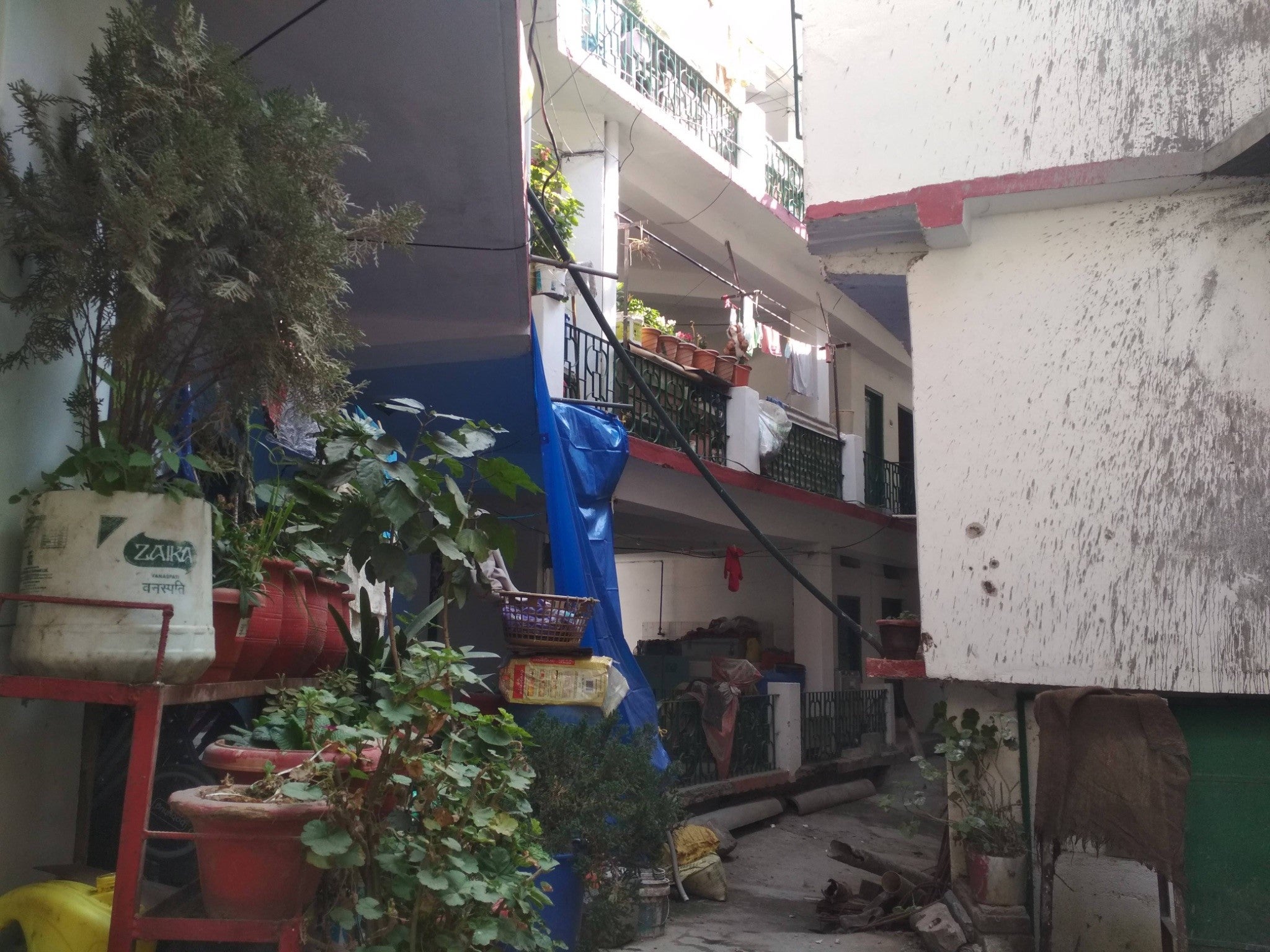 Figure 1. Empty lanes of handicraft worker’s quarters in McLeod Ganj, Dharamshala, Himachal Pradesh, India. (Source: author).
This article explores three key dimensions of the Tibetan response: (1) the role of Buddhist teachings in framing the crisis, (2) the digital transformation of religious practices, and (3) community-led humanitarian interventions. It also discusses the enduring changes catalyzed by the pandemic, particularly in economic resilience and religious engagement. This analysis contributes to broader discussions on the intersection of religion, migration, and crisis adaptation by documenting these shifts.
Buddhist Teachings as a Framework for Resilience
Buddhism, particularly Tibetan Buddhist philosophy, provides a lens through which suffering and impermanence are understood. During the pandemic, Buddhist teachings on impermanence (anitya), interdependence (pratītyasamutpāda), and compassion (karuṇā) were instrumental in helping Tibetan refugees cope with uncertainty and loss. Tibetan monastic leaders, including His Holiness the Dalai Lama, Ratna Vajra Rinpoche, and Ven. Geshe Dorji Damdul, emphasized the importance of using this period for self-reflection and compassionate action, encouraging followers to practice mindfulness and cultivate inner peace.
The Dalai Lama’s public addresses and digital sermons framed the pandemic as an opportunity for spiritual growth, urging individuals to focus on reducing suffering rather than succumbing to despair. His teachings frequently invoked the Four Noble Truths, emphasizing that suffering is inherent to existence, but its intensity can be mitigated through wisdom and ethical actions. This philosophical approach provided Tibetan refugees with psychological resilience, countering fear and anxiety with structured meditative practices.
His Holiness Dalai Lama, head of the Gelug sect focusing on the resilient nature of Indian traditions, motivated the Tibetans in his message:
Ancient Indian tradition describes the creation, abiding and destruction of worlds in time. Among the causes of such destruction are arms and disease, which seems to accord with what we are experiencing today. However, despite the enormous challenges we face, living beings, including humans, have shown a remarkable ability to survive. No matter how difficult the situation may be, we should employ science and human ingenuity with determination and courage to overcome the problems that confront us.
Similarly, Ratna Vajra Rinpoche, the 42nd Sakya Trizin Rinpoche (the traditional head of the Sakya sect of Tibetan Buddhism) also said:
Dharma practice is a training of the mind focusing only on positive thoughts. And now with the ongoing global pandemic in the name of a virus, he urged not to be discouraged and face the challenge with great encouragement. From the Buddhist point of view, when we see Buddha, we should perceive Buddha as a doctor, his teachings as medicines, and ourselves as patients. All the negative afflictions such as anger and fear are nothing but sickness and gaining realisation on overcoming the negative thoughts equates to following a doctor’s advice. Buddha dharma should be practised by all the followers of Buddha to overcome the sickness of negativities that consume our lives.
Venerable Geshe Dorji Damdul, director of Tibet House, ran several courses and webinars on mindfulness, including: the emptiness of mind, basics of Bardo, Tibetan language course for beginners, Shantideva’s Guide to the Bodhisattva’s Way of Life, Emptiness and Dependent Origination, twelve Nidānas, and Lam Rim Teachings.
Additionally, Tibetan Buddhist teachings advocate for detachment from material possessions and acceptance of change, which became particularly relevant as economic hardships escalated. This mindset enabled many Tibetan refugees to navigate financial uncertainty with greater emotional stability. In times of crisis, religious frameworks serve, not only as coping mechanisms but also as mobilization tools, fostering a sense of collective identity and moral responsibility.
Digital Buddhism and Religious Mediation
Religious practice within Tibetan Buddhism is deeply communal, relying on monastic teachings, ritual gatherings, and pilgrimage. The pandemic, with its stringent lockdowns and restrictions on physical gatherings, disrupted these spiritual connections. However, Tibetan Buddhist institutions adapted swiftly, transitioning to digital platforms to sustain religious engagement.
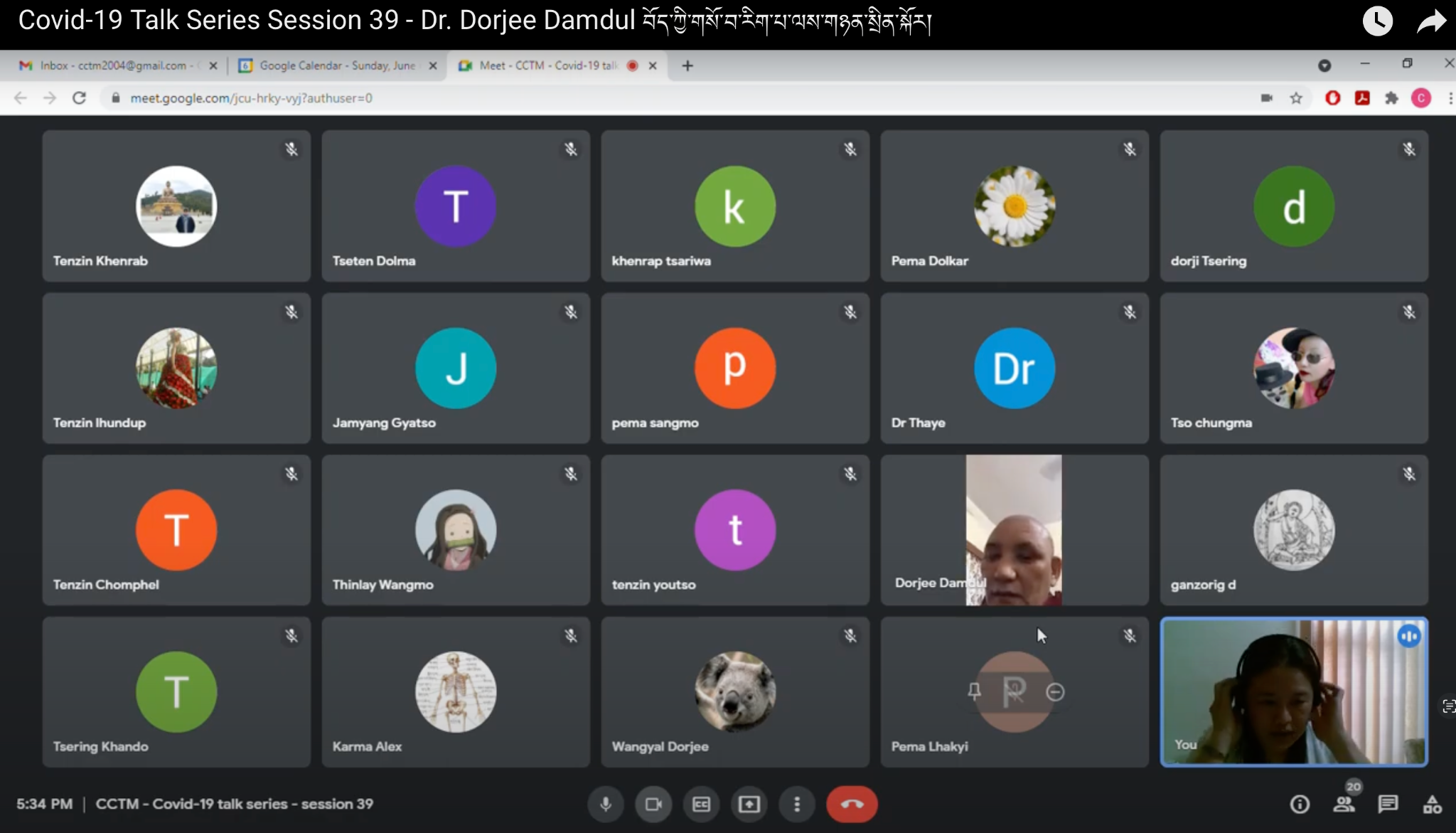 Figure 2. COVID-19 Talk Series Session on Google Meet. (Source: Central Council Tibetan Medicine. Retrieved from https://www.youtube.com/watch?v=PnnVBgUNQpk on 18 March 2025).
Monasteries and senior Buddhist figures began live-streaming prayers, meditation sessions, and empowerment rituals via YouTube, Facebook, and Zoom, allowing followers across India and beyond to maintain their spiritual routines. This shift towards "digital Buddhism" not only preserved religious practices but also expanded access to teachings, connecting Tibetans in exile with the global Buddhist community. This was an important and positive unintended outcome of moving Tibetan Buddhist rituals online.
One notable consequence of this digital transition is the strengthening of transnational Tibetan Buddhist networks. Previously, many Tibetan refugees had limited access to senior monastic figures due to geographical constraints. The pandemic democratized access to religious discourse, allowing even those in remote settlements to receive direct teachings from revered lamas. This has led to a permanent shift in how Tibetan Buddhism is practised and transmitted, ensuring continuity despite displacement and disruption.
During the author's doctoral fieldwork in the year 2021, a respondent, Lobsang Dolkar (pseudonym), a 28-year-old woman from village Gamru in Dharamshala, reflected on the impact of digital access to Buddhist teachings. She shared, "From my small room, using my neighbour’s internet hotspot, I was able to participate in online teachings. I would sit cross-legged, light a butter lamp, and watch His Holiness on my phone screen. It felt intimate, as though he were addressing me directly. My mother, who had never seen him in person, also joined these virtual sessions. Even now, despite the lifting of restrictions, I continue to prefer online teachings because they seamlessly integrate into my daily life."
Another respondent, Pema (pseudonym) from Samyeling settlement (popularly known as Majnu ka Tilla) shared that “During the peak of the first wave of Covid, I was terrified. Business had completely stopped, and every day, I heard about people falling sick. Even going outside felt dangerous. In those dark months, I found solace in online teachings. I remember sitting in my closed shop, surrounded by unsold stock, and streaming a session on my phone. The words of His Holiness felt like a lifeline. It was the first time in years that I truly dedicated time to my practice. I even joined an online group on WhatsApp where people would send links to the teachings. We shared our struggles and reminded each other to stay hopeful. Even after things reopened, I made a promise to myself: no matter how busy I get, I will continue attending teachings online. It keeps me grounded.”
Palpably, digital engagement provided Tibetan refugees with a sense of stability and belonging during prolonged periods of isolation. Virtual prayer groups, online chanting sessions, and interactive Q&A sessions helped sustain a sense of community, reinforcing the role of Buddhism as a social as well as spiritual anchor.
Humanitarian Efforts and Interdependence in Practice
One of the central tenets of Mahayana Buddhism is interdependence, which underscores the interconnectedness of all beings. In an article in Time Magazine, the XIV Dalai Lama wrote, “This crisis shows us that we are not separate from one another—even when we are living apart. Therefore, we all have a responsibility to exercise compassion and help.”
This principle was actively demonstrated during the pandemic as Tibetan Buddhist institutions, settlement offices, and grassroots organizations mobilized resources to support both Tibetan refugees and local Indian communities.
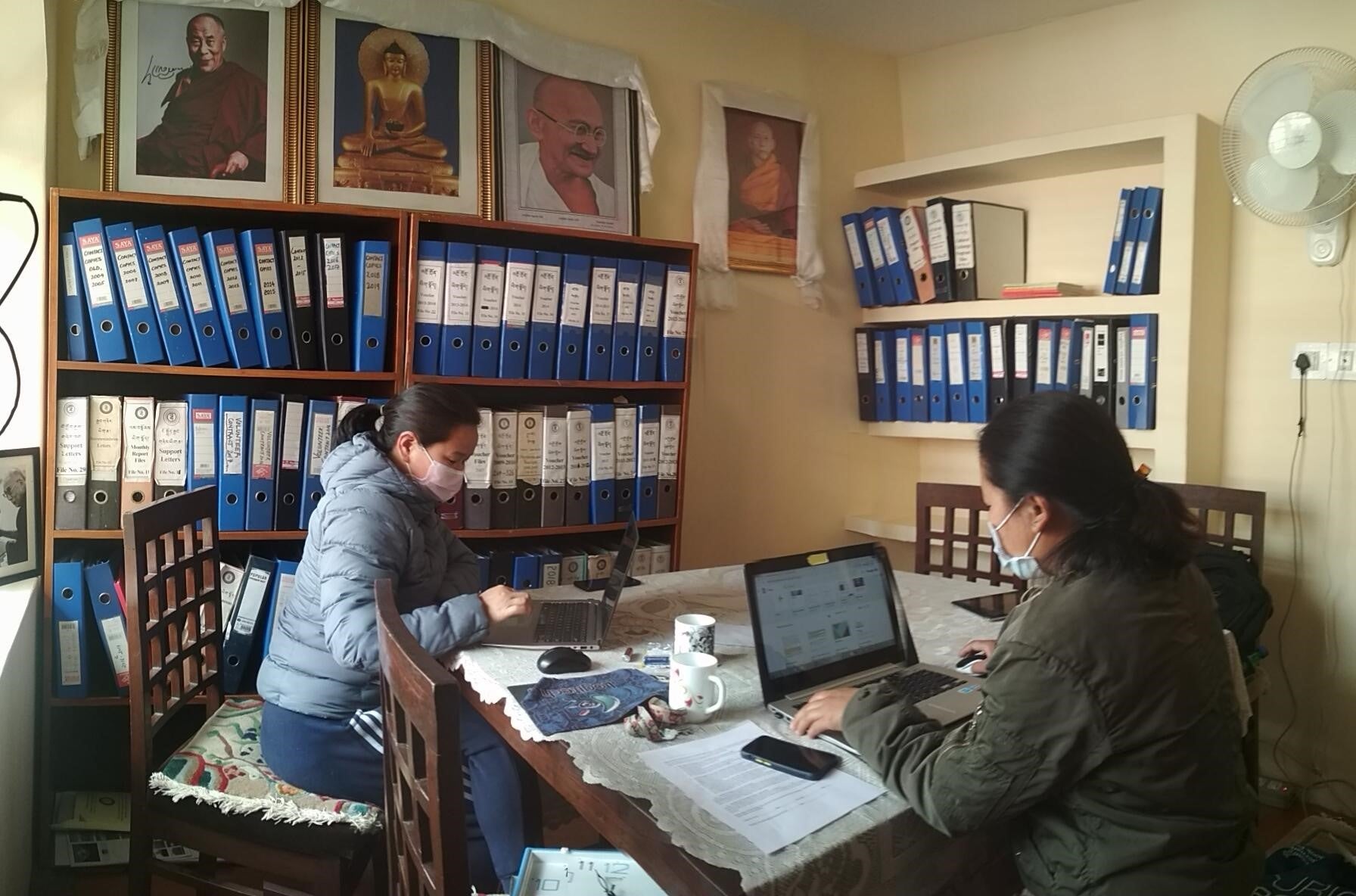 Figure 3. Tibetan women working on digital platforms in the second wave of the pandemic. (Source: author).
Tibetan monasteries and community groups coordinated food distribution, medical aid, and financial assistance for those in need. Tibetan nurses and healthcare workers played an active role in India’s pandemic response, reinforcing their role as engaged members of the host society. Additionally, traditional Tibetan medicine (Sowa Rigpa) saw renewed importance as a complementary health intervention, particularly in treating respiratory ailments and boosting immunity.
However, tensions emerged regarding the recognition of Sowa Rigpa within modern public health frameworks. While Tibetan medical practitioners reported positive outcomes, scepticism from mainstream medical institutions limited its formal integration into India’s COVID-19 response strategy. This highlights broader challenges for the acceptance of indigenous healing systems in global health governance.
Tibetan community-led humanitarian efforts were not confined to Tibetan settlements but extended to local Indian populations, reinforcing historical ties and fostering goodwill. These initiatives positioned Tibetan refugees as active contributors rather than passive recipients of aid, challenging dominant narratives that often depict refugee communities as dependent on external support. One could argue that such efforts embody the Buddhist principle of interdependence (pratītyasamutpāda), reflecting the deeply ingrained ethos of mutual care and reciprocity that transcends ethnic and national boundaries.
Post-Pandemic Shifts: Economic and Religious Transformation
As of 2025, Tibetan refugees continue to face post-pandemic economic challenges. Many small businesses, particularly the seasonal sweater trade, have struggled to recover due to reduced market demand and disrupted supply chains. In response, Tibetan entrepreneurs have started exploring alternative livelihoods. The pandemic also accelerated shifts in employment patterns among Tibetan youth, with more individuals seeking higher education and vocational training rather than relying on traditional trades. This reflects a broader trend of economic diversification within Tibetan settlements, as younger generations adapt to changing market realities.
Further, perhaps the most lasting impact of the pandemic on Tibetan refugees has been the transformation of religious engagement. The shift towards digital platforms has reshaped how Tibetan Buddhism is practised, making teachings more accessible and inclusive. Even as restrictions have lifted, many practitioners continue to prefer online access to monastic teachings, allowing them to engage with spiritual discourse while balancing daily responsibilities.
Additionally, there has been a growing emphasis on localized community worship, with smaller prayer groups and home-based rituals becoming more common. This shift reflects both practical adaptation and spiritual decentralization, demonstrating the fluidity of religious practice in response to external disruptions.
Conclusion
The Tibetan response to COVID-19 illustrates how religious communities actively reshape their spiritual and social landscapes in times of crisis. By integrating Buddhist ethical and philosophical principles, like impermanence, compassion, and interdependence, with humanitarian efforts and digital innovation, Tibetan refugees not only endured the crisis but also reinforced their role as a resilient and adaptive diaspora.
This case study contributes to broader discussions on the intersection of religion, migration, and crisis adaptation, offering insights into how Buddhist frameworks of resilience can inform responses to future global challenges. The Tibetan experience demonstrates that religious communities are not merely passive recipients of external change; rather, they actively reinterpret and reconstruct their traditions to navigate adversity.
As Tibetan refugees continue to rebuild their economic and social structures in a post-pandemic world, their ability to blend tradition with modernity, and spiritual resilience with practical action, offers a compelling model for crisis adaptation that extends beyond their community.
Disclaimer: The views and opinions expressed in this article are those of the authors and do not necessarily reflect the position of the blog editorial team or the Asia Research Institute.
South Asia | Southeast Asia | East Asia | Other Places | Hinduism | Buddhism | Islam | Christianity | Other Religions | Pandemic Leftovers | All Posts
Gurmeet Kaur, a postdoctoral fellow, earned her PhD from Panjab University on Tibetan refugees in India. Her ongoing research explores ecofeminism and indigenous knowledge systems in Buddhist communities of the Indian Himalayan region.