Research node on the Global Indo-Pacific: Connecting Histories and Futures
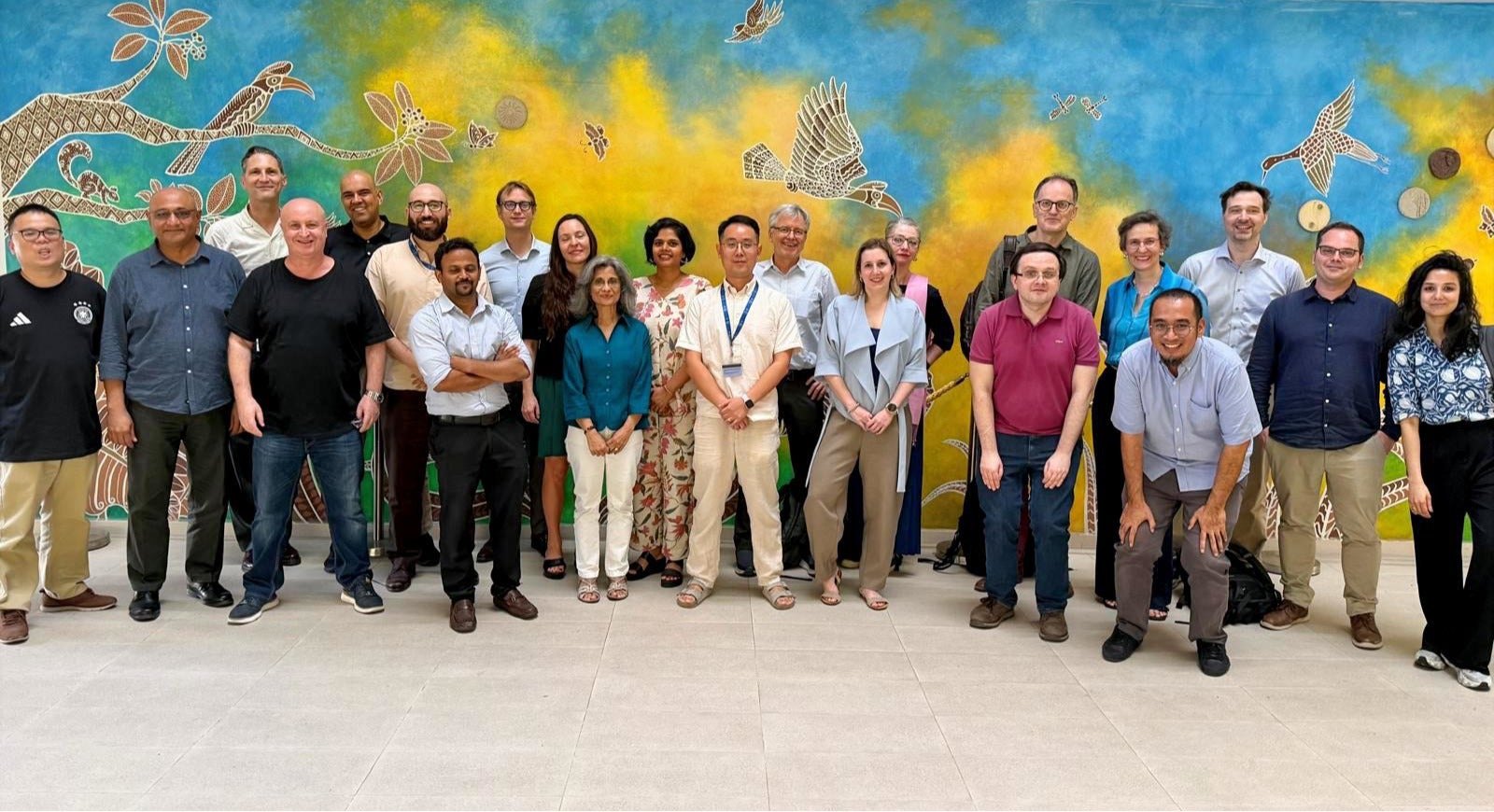
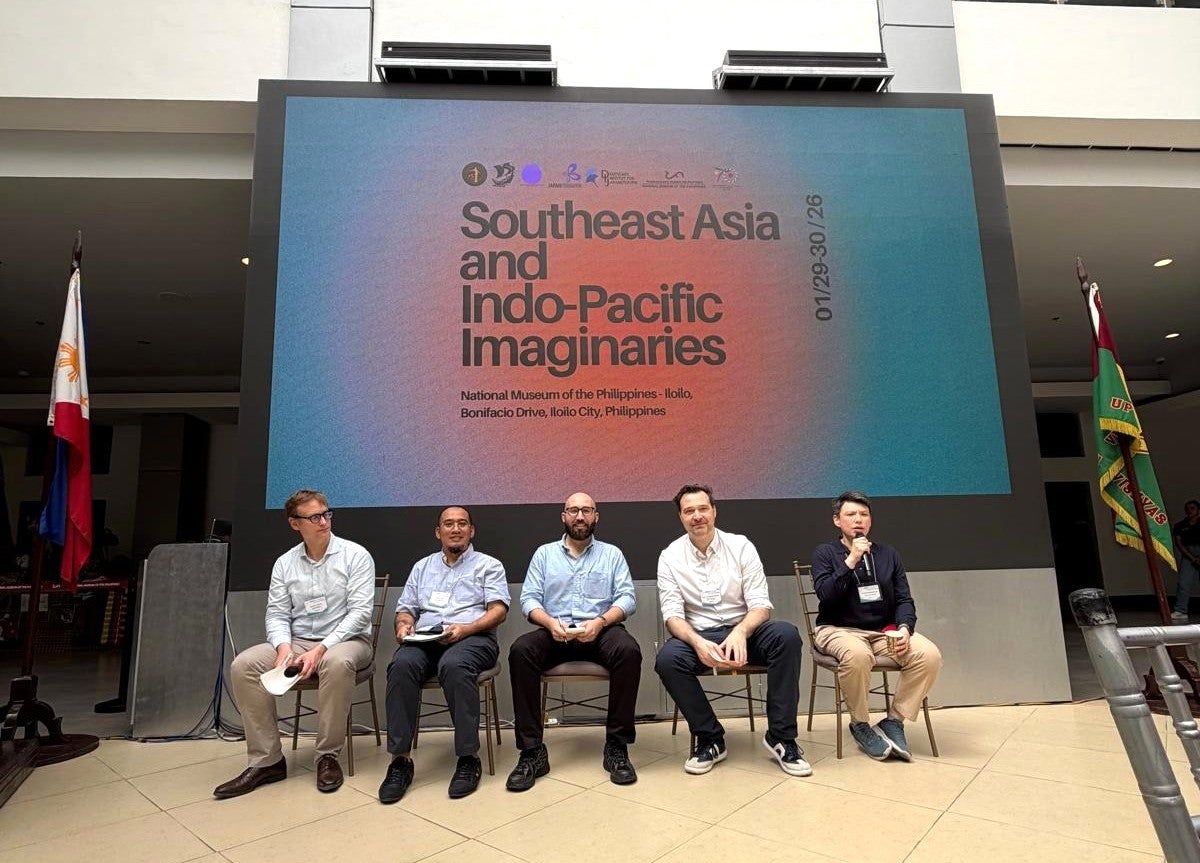
Commencing in July 2025, this Research node is expected to run until the end of 2027. It is a collaboration of the Max Weber Foundation Institutes in Delhi, London, Paris, Tokyo and Washington, the Institute for Asian and African Studies at the Humboldt University Berlin and ARI. The node is funded by the The Max Weber Foundation and hosted, with co-funding, by ARI.
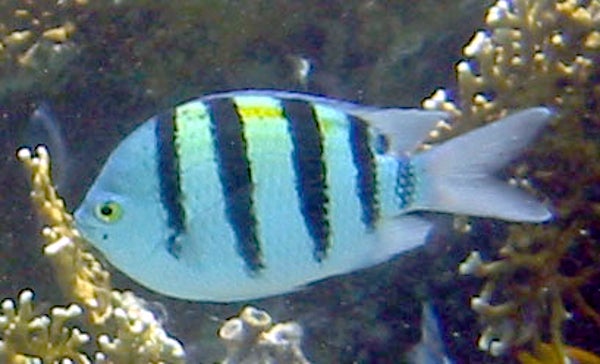
The Indo-Pacific embracing large parts of Asia and Oceania and spanning from the East coast of Africa to the West coast of the American continent has been referred to both as a maritime ecological system and a strategic geopolitical construct. The region comprises a multiplicity of colonial and postcolonial histories and geographies, which together increasingly challenge Western-centric mappings of international order. These historical experiences, along with the growing geopolitical significance of the region, have led to a substantial body of scholarship. The research node will be fostering a better understanding of the Indo-Pacific’s complex historical trajectories and regional dynamics and their implications for pressing global ecological, demographic and geopolitical issues. However, in contrast to the those framings (frequent amongst many think tanks, media and state discourses) of the Indo-Pacific that reduce it to a "security" or geo-strategic concept, we seek to unravel the multiple ways that the Indo-Pacific comes to be constructed and circulates. This invites broad and diverse cultural, geographical, historical, scientific and social perspectives.
The Indo-Pacific therefore has both a complex history as a concept and is an increasingly popular contemporary focus for research centres, amongst others; the Centre for Indo-Pacific Studies, the Franco-German Observatory of the Indo-Pacific, the Indo-Pacific Studies Center and the Perth USAsia Centre.
Hence our approaches to the concept/region follow multiple scholarly vectors, such as those traced by the Aotearoa/New Zealand-based historian Kate Stevens, in studying:
“…islands, seas, and peoples connected by the ocean, centring on the basin rather than only the Pacific rim [and Indian Ocean littorals]. This ‘other one-third [plus] of globe’ is often absent in global histories, despite the long history of distance voyaging before and after colonialization. The region is important to histories of both ocean and imperialism writ large, as a critical space where ‘the push-and-pull dynamic of globalisation’ shaped the modern world.”[1]
In these regards, too, we are mindful of how the Indo-Pacific is cited as biogeographical category, prominent in marine biology since the mid-nineteenth century, and in twentieth century and contemporary climatology and oceanography.
The research node comprises two modules:
At ARI, the convenors of the Asian Urbanisms and Science, Technology and Society Clusters also serve as serve as collaborators. Dr Yannis-Adam Allouche assists with events and logistics.
The research node is also exploring connections with the scheme for Research Fellowships in Global Southeast Asia - Corvinus University of Budapest.
[1] Stevens, K. (2026) ‘Chewpoints across the Pacific Ocean: Marine borers and the disruption of colonial infrastructure’, Journal of Global History, pp. 1–20. doi:10.1017/S1740022825100430