Events
Grief Pilgrimage and Social Prescribing
| Date | : | 01 Dec 2025 |
| Time | : | 16:00 – 17:30 (SGT) |
| Venue | : | Hybrid (Online via Zoom & AS8 04-04) |
Jointly organised by the Asia Research Institute and GL Louis Religious Pluralism Research Cluster in the Faculty of Arts and Social Sciences, National University of Singapore.
CHAIRPERSON
Dr Michel Chambon, Asia Research Institute, National University of Singapore
PROGRAMME
| 16:00 | WELCOME REMARKS Dr Michel Chambon | National University of Singapore |
| 16:05 | PRESENTATION Dr Jaeyeon Choe | Glasgow Caledonian University |
| 16:45 | COMMENTARIES Assoc Prof Maribeth Erb | National University of Singapore Dr Ali Kassem | National University of Singapore |
| 17:05 | QUESTIONS & ANSWERS |
| 17:30 | END |
ABSTRACT
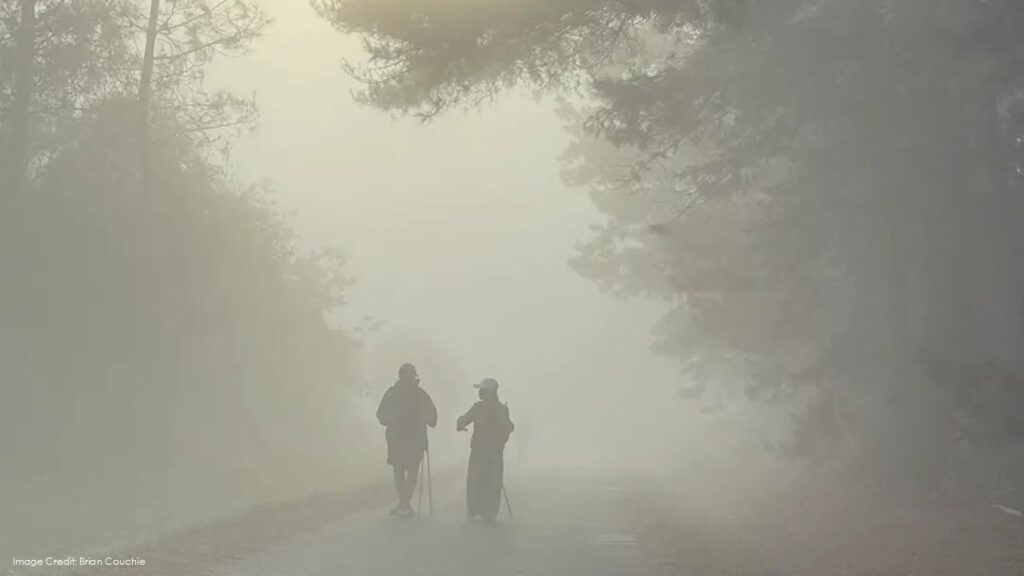
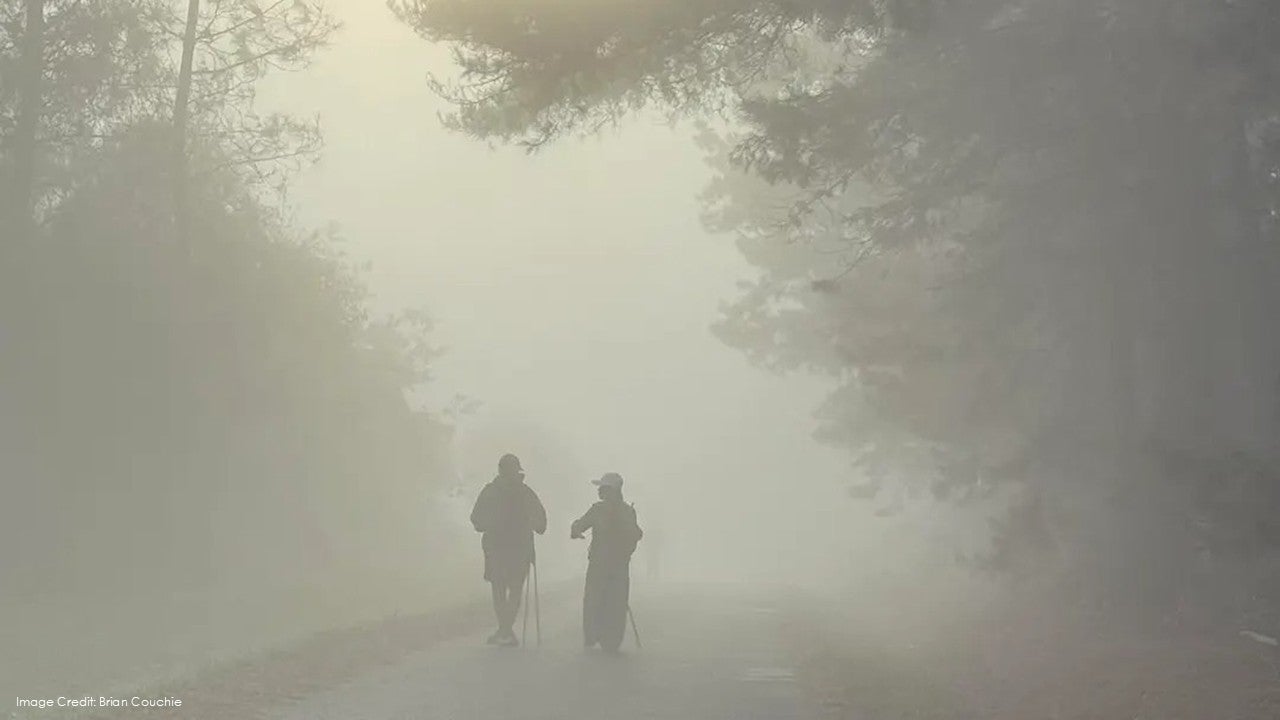
Engaging in pilgrimage has long been a means of coping with grief, serving as a transformative experience for processing loss and connecting with deceased loved ones and with oneself. Rooted in Christian tradition, pilgrimage has historically provided a sacred framework for mourning, with practices such as walking, prayer, and contemplation offering spiritual solace to the bereaved. Today, both religious and secular pilgrimage routes continue to draw upon these traditions. Grief encompasses a wide range of experiences, such as the death of family members (both human and non-human companions), health challenges, and numerous other significant life changes. Whilst the Camino walks—a historic Christian pilgrimage route to Santiago de Compostela—have been popular for coping with grief, the British Pilgrimage Trust has been organising bereavement pilgrimage walks since 2024. In the Netherlands, there are ‘Walk of Grief’ pilgrimage routes specifically designed for processing bereavement, which have proved very popular over the years. These initiatives are particularly noteworthy given the current constraints in public health services, which have restricted access to psychological support resources in countries such as the UK.
During my presentation, I will discuss how Christian and religious spiritual practices such as pilgrimage including contemplative walking, ritual, and community/communitas can provide therapeutic value as secular practices for both religious and non-religious participants. I will particularly explore the potential benefits of pilgrimage walks for individuals experiencing grief, particularly those who do not have access to other coping strategies or for whom available support options are not appealing. I will also discuss how pilgrimage walks and practices can be used as a complementary and community-based form of therapy through “social prescribing” which is an accessible and innovative health strategy, thereby expanding the non-clinical options available.
ABOUT THE SPEAKERS
Jaeyeon Choe is Lecturer in Tourism and Events at the Glasgow Caledonian University. She obtained her PhD in Tourism Management with a minor in Cultural Anthropology from The Pennsylvania State University, USA. As an international educator, she has been invited as a visiting scholar to Canada, Indonesia, Finland, Germany, Thailand, Vietnam and Malaysia. Her research areas revolve around wellness/spiritual/religious tourism, sustainable tourism development, and the wellbeing of marginalised communities. She has delivered multiple keynotes at tourism and geographies conferences in Asia and Europe. She also serves as an associate editor for Tourism Geographies, editorial board for International Journal of Religious Tourism and Pilgrimage, fellow of the Royal Geographical Society. She co-founded the Refugee and Migrant Leisure Network with community organisations and local councils based in Southern England.
Maribeth Erb is Associate Professor at the Department of Sociology and Anthropology, National University of Singapore since 1989. In recent years she has taught courses on tourism, the environment, theme parks and qualitative methods. She has been doing research in Eastern Indonesia since the early 1980’s on a range of topics that have informed and intersected with her teaching. Tourism has been growing in eastern Indonesia, and has been rebounding strongly post-pandemic. In particular her work has looked at tourist local interaction and changing ideas of hospitality. However with tourism growth has come also conflict, both over control of tourism businesses as well as the impacts on the environment. In the 21st century, the expansion of the extractive industries has also led to conflicts between local communities, the government, and mining companies over these environmental impacts and access to land.
Ali Kassem is Lecturer in Sociology at the Department of Sociology and Anthropology, National University of Singapore. Ali was previously a postdoctoral research fellow in Decoloniality and Contemporary Islam at the Institute for Advanced Studies at the University of Edinburgh, UK, where he also taught at the School of Social and Political Science. His first book is titled Islamophobia and Lebanon: Visibly Muslim Women and Global Coloniality (I.B. Tauris-Bloomsbury Academic, 2023) and he is currently editing a book titled Colonial Legacies and Arab-Majority Region(s): From Contemporary Conditions to Alternative Futures (Bristol University Press, 2026).
REGISTRATION
Registration is closed, and instructions on how to participate in this hybrid talk has been sent out to registered attendees. Please write to ziqi@nus.edu.sg if you would like to attend the event.