
Elisabeth Peyroux


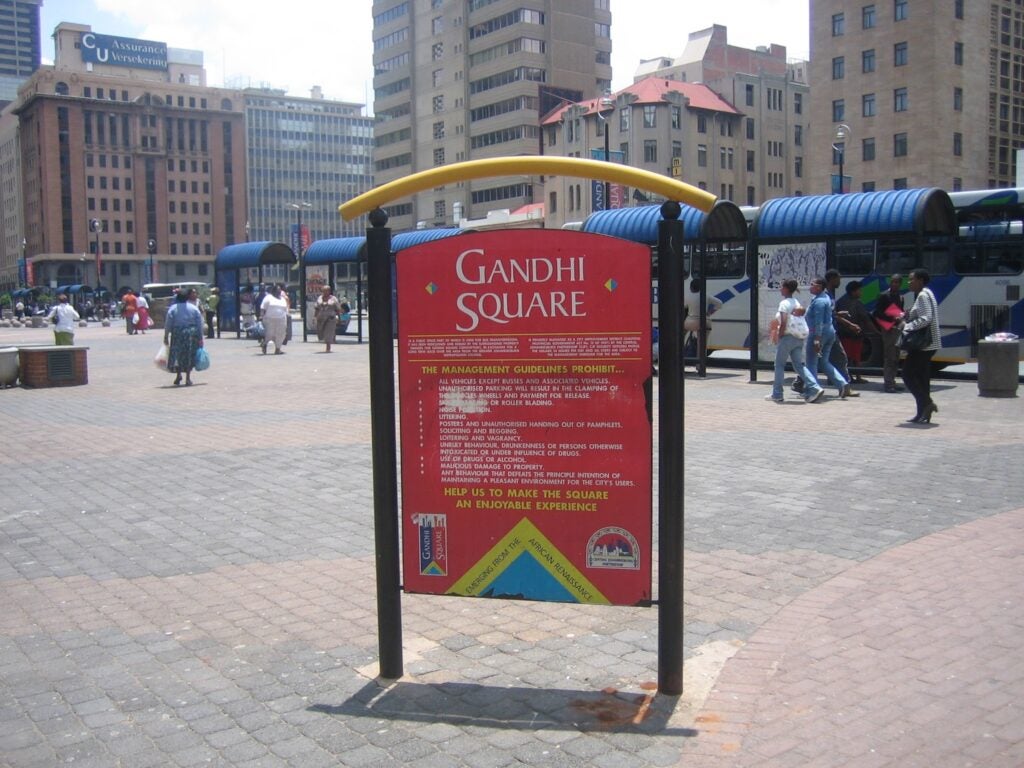
Photo 1 Gandhi Square, a City Improvement District in downtown Johannesburg (South Africa), 2008.
Can you tell us a little about yourself and how you became interested in studying cities?
My academic background is in ethnology and geography. I specialized in African studies while studying at the University of Bordeaux 2 and later at the University of Paris X-Nanterre. Nanterre had a strong tradition of ethnographic research in French-speaking Western African countries, particularly in rural and agricultural areas. I received my first research grant to conduct fieldwork on family structures and agrarian systems in a small village on the border between Guinea and Mali. This was a very formative experience, but in every respect it is very far from the research in cities and metropolitan areas I have conducted during most of my career in Southern Africa and, more recently, in Southeast Asia.
My interest in studying cities grew not from firsthand experience but from the lectures and readings I encountered while studying the political history of pre-colonial Africa. I found it fascinating to see the role that Timbuktu, Djenné, and Gao, for instance, played in African empires as major centers of trade, culture, and religion, notwithstanding their remarkable architecture. This early exposure to history and anthropology led me thinking that studying cities was about understanding how political power rests on economy, culture and how it is embedded within broader regional and global networks.
You've spent much of your career researching cities in Africa and are now working in Southeast Asia. What has that transition been like?
Moving from Johannesburg and Cape Town to Singapore is indeed a major change!
The transition was easy from an institutional perspective. Working for the CNRS, a national public institution that covers all disciplines and geographical areas, affords researchers some freedom in choosing their research topics and collaboration partners. When my research unit, Prodig, was asked to take part in a research grant application by the National Research Foundation of Singapore in collaboration with several Singaporean universities, I thought it would be interesting, after so many years of research in Africa, to explore Southeast Asia. Also, the CNRS holds a regional office in Singapore, and has set up an overseas subsidiary on the NUS campus (CNRS@CREATE), making it possible for French researchers to be hosted in Singapore.
Now, from a personal research perspective, it is not as easy! While I was keeping to my recent topics of interest (digital technologies, smart city policies) Singapore was unknown territory to me. It takes time to get familiarised with a new research environment, to gather new knowledge and build enough insights to make a meaningful contribution. And by that I mean, not only answering a specific research question, but making sure that my analyses adds something significant to the existing body of empirical knowledge about Singapore and most importantly, to theory building.
What first got you interested in the role of technology and AI in cities?
My initial interest came from the work I had done on urban policy mobility, studying how certain policy models were travelling around the world and were being locally adopted, and the tensions and challenges that resulted from that. I started with the “Business Improvement District” urban regeneration model, then explored the “resilient” “sustainable” city. In the 2010’s, the "smart city” model had become a powerful narrative framing urban planning policies in South Africa. There were debates at that time about how “modernist, futuristic ideals” were creating new forms of inequalities and exclusions in African cities. So, my initial interest was not so much about the technology itself but how technology, or I should say, specific technologies, such as digital technologies and now AI, are reshaping urban policies, spaces, practices, but also imaginaries.

Photo 2: Aerial view of informal settlements in the Northern areas of Windhoek (Namibia), 1994.
In South Africa, I was very interested in studying how the “techno-solutionism” attached to the “smart city” model played out in concrete, everyday uses of digital technologies, in specific territories, at the metropolitan and local scales, such as in townships and informal settlements. I did not select highly visible, sophisticated projects, but rather explored how digital technologies were used to improve basic services (access to water and sanitation, safe transport, free Wi-Fi). I found out that the deployment of digital technologies was not as straightforward as the “techno-solutionism” critiques implied. Applications and dashboards were embedded in complex configurations of private, public, and community-based actors; they depended on the material and physical environment, as well as on social norms rooted in local communities. Then the "AI revolution" gained traction in public policies and drew my attention to new, emerging technologies that appear to have profound implications for cities and people. At that time, I had shifted my interest to Singapore, so Singapore became the focus of my investigation.
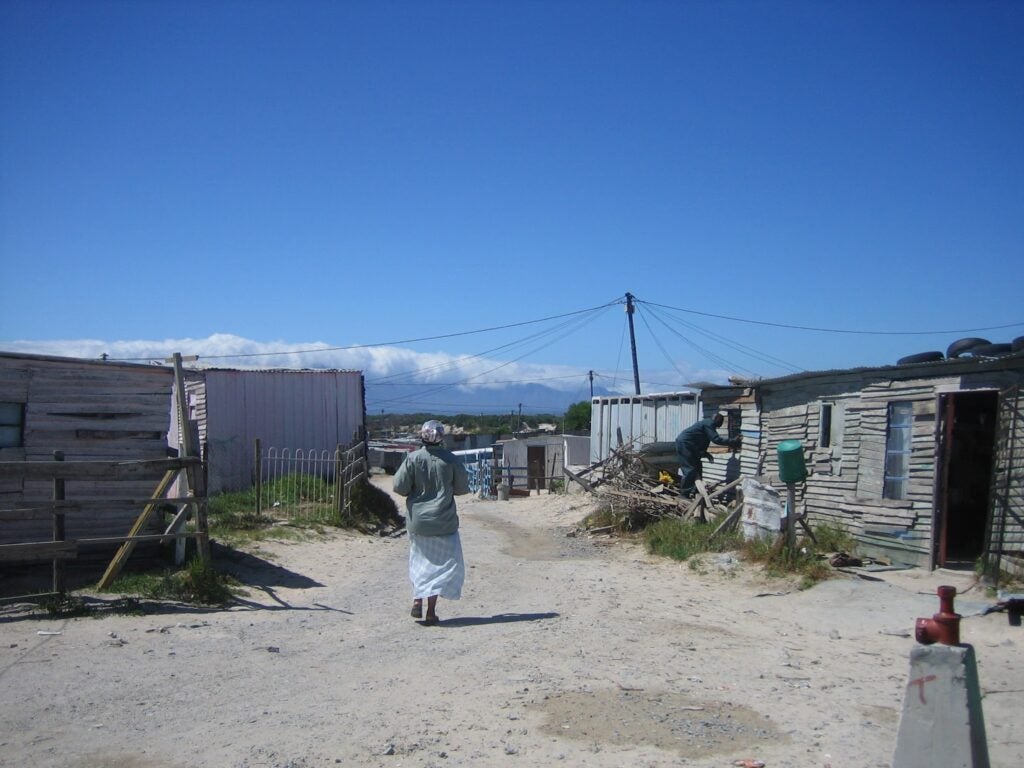
Photo 3: The township of Khayelitsha in Cape Town (South Africa), 2018.
How do you think technology is changing the way cities are run and experienced?
Digital technologies and now AI have been evolving at an incredible pace. We (the general public, researchers, practitioners, and policymakers) are facing a technological revolution unlike any other, with far-reaching, disruptive effects occurring over a very short period of time.
Machine Learning, Large Language models (“generative AI”), Agentic AI, “embodied AI” allow performing modelisation, prediction and automation at unprecedented levels and scales. They turn cities into “optimised” urban systems (in terms of transport, energy, land use…) with efficiency and performance that tend to gain pre-eminence over more socially oriented goals. They mediate the way we interact, socialise, consume, travel, access information, and learn in our everyday life, relegating most of face-to-face human interactions, relations and bonds, which are essential l to urban life, into the background (when not replacing them entirely). Yet, while we are just grasping the far-reaching consequences they have in shaping our everyday lives, we still don’t fully understand how they work.
Moreover, digital technologies and AI have a material, physical presence in urban areas and beyond: they take the form of objects and robots; they also have a territorial and environmental footprint, and they consume resources (land, energy, water, etc.). Using AI at a large scale means increased extraction of rare earths, with the well-known ecological consequences of extractivism, and the need for more infrastructure, such as data centers and hypercalculators. This reshapes the concrete social and spatial geographies of cities and their surrounding regions, and creates new forms of economic dependencies between distant territories
What are you most excited to be working on at the moment?
I am currently working on how AI is reshaping urban planning, management, and governance in Singapore, and hopefully in Malaysia. I am looking more specifically at the trajectory of technological innovation adoption in both countries, the challenges associated with AI use, and the longer-term environmental and territorial implications of large-scale AI adoption. This project also aims to examine the links between Singapore and West Malaysia. Infrastructure related to artificial intelligence, whilst building on the long-standing geographical and economic ties between the two countries – such as the century-old Causeway – also highlights complex and closely interlinked cross-border urban transformation.
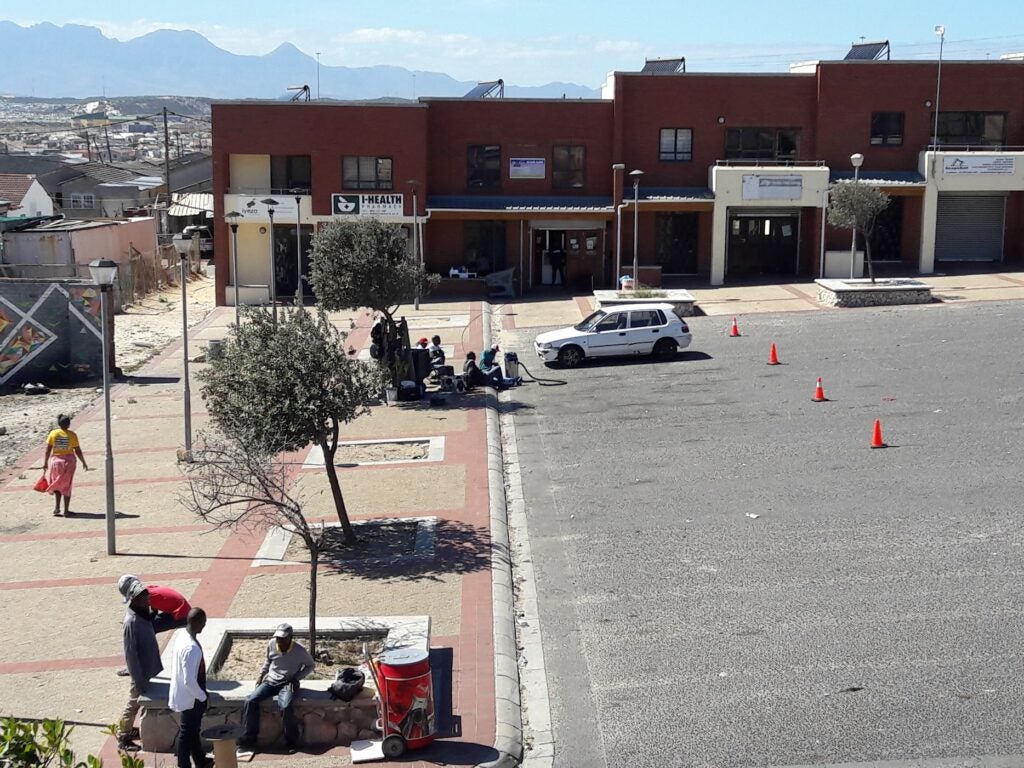
Photo 4: Urban renewal in Kayelitsha in Cape Town (South Africa), 2018.
Besides this, I am involved in a small, interdisciplinary project funded by the CNRS that aims at developing an innovative approach to representing and modelling urban futures by combining the insights of qualitative research in urban studies with expertise in AI applied to urban prospective, using Singapore as an example. Our hypothesis is that the major shifts in AI - predictive, generative, conversational, agent-based, and physical or kinetic -do not merely produce more effective tools for simulation, prediction, optimisation, or performance in urban management. They also help shape public policy by making certain urban futures calculable and legitimate, while leaving other visions, needs, or populations out of the picture.
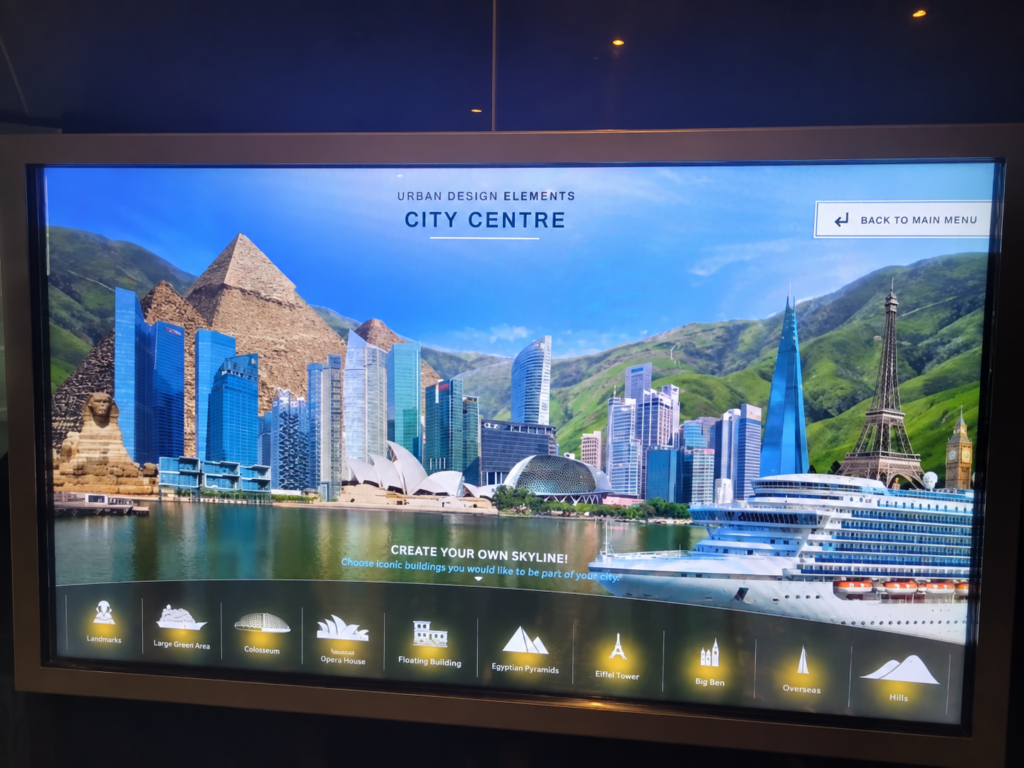
Photo 5: Prompting » your vision of urban future, Urban Redevelopment Agency (Singapore), 2024.
So we look on one side at what AI makes visible, measurable, and manageable, and on the other side, what it tends to simplify, render invisible, or exclude. To do that, we bring together researchers from different disciplines (geography, urban planning, information and communication, applied mathematics, computer science, developmental psychology, and cognitive science) who reflect on the “blind spots” of their respective methodological frameworks (both quantitative and qualitative). We examine what could be the most promising methodological triangulations for developing modelisation and scenarios for urban futures that are more diverse, inclusive, and sustainable. We hope this will help thinking more clearly, thoughtfully, and meaningfully about the usefulness, relevance, and societal implications of AI.
The views expressed in this forum are those of the individual authors and do not represent the views of the Asia Research Institute, National University of Singapore, or the institutions to which the authors are attached.

Dr Elisabeth Peyroux commenced her appointment as a Visiting Senior Research Fellow with the Asian Urbanisms Cluster with effect from 26 January 2026.
Dr Peyroux is Research Director at the National Centre for Scientific Research (CNRS), affiliated to the Research Institute on Contemporary Southeast Asia (IRASEC), a CNRS research unit based in Bangkok. She holds a PhD in Human Geography from the University of Paris X-Nanterre and is a former Deputy Director of the research unit Prodig (2019-2024). Her current research focuses on the role of digital technologies and Artificial Intelligence in urban governance and planning in Southern Cities (South Africa, Singapore, Malaysia).
Edited Books
Peyroux, E., Raimond, C., Viel, V., & Lavie, E. (Eds.). (2023). Development and territorial restructuring in an era of global change: Theories, approaches and future research perspectives. Wiley. https://www.iste.co.uk/book.php?id=2024
Bénit-Gbaffou, C., Fabiyi, S., & Peyroux, E. (Eds.). (2009). Sécurisation des quartiers et gouvernance locale: Enjeux et défis pour les villes africaines (Afrique du Sud, Kenya, Mozambique, Namibie, Nigeria). IFAS-Karthala.
Peyroux, E., Eckert, D., & Thouzellier, C. (Eds.). (2007). Toulouse: Embracing the knowledge economy: Pathways to creative and knowledge-based regions. AISSR, University of Amsterdam.
Edited Journal Special Issues
Dris, Y., Gibert-Flutre, M., Henriot, K., Peyroux, E., & Zerah, M.-H. (Eds.). (2025). La ville numérique sans ses algorithmes: Fabrique urbaine ordinaire, acteurs, institutions/The digital city without its algorithms: Ordinary urban production, actors, institutions [Special issue]. NETCOM, 39(1–2). https://doi.org/10.4000/158c7
Peyroux, E., & Sanjuan, T. (2016). Stratégie de villes et « modèles » urbains: Approche économique et géopolitique des relations entre villes [Special issue]. EchoGéo, 36. https://doi.org/10.4000/echogeo.14831
Peyroux, E., Pütz, R., & Glasze, G. (2012). Business improvement districts (BIDs): Internationalisation and contextualisation of a “travelling concept” [Guest editorial]. European Urban and Regional Studies, 19(2), 111–120.
Bénit-Gbaffou, C., Didier, S., & Peyroux, E. (2012). Circulation of security models in Southern African cities: Between neoliberal encroachment and local power dynamics [Special issue]. International Journal of Urban and Regional Research, 36(5), 877–889. https://doi.org/10.1111/j.1468-2427.2012.01134.x