Events
Ways of Worldmaking: On Markets, Miracles, and Emergence in the Postcolony | Ravinder Kaur
| Date | : | 14 Oct 2025 |
| Time | : | 16:00 – 17:30 |
| Venue | : | AS8, Level 4, Seminar Room 04-04 |
| Contact Person | : | LIM, Zi Qi |
Jointly organised by the Asia Research Institute and Institute of South Asian Studies, National University of Singapore.
CHAIRPERSON
Dr Karthik Nachiappan, Institute of South Asian Studies, National University of Singapore
ABSTRACT
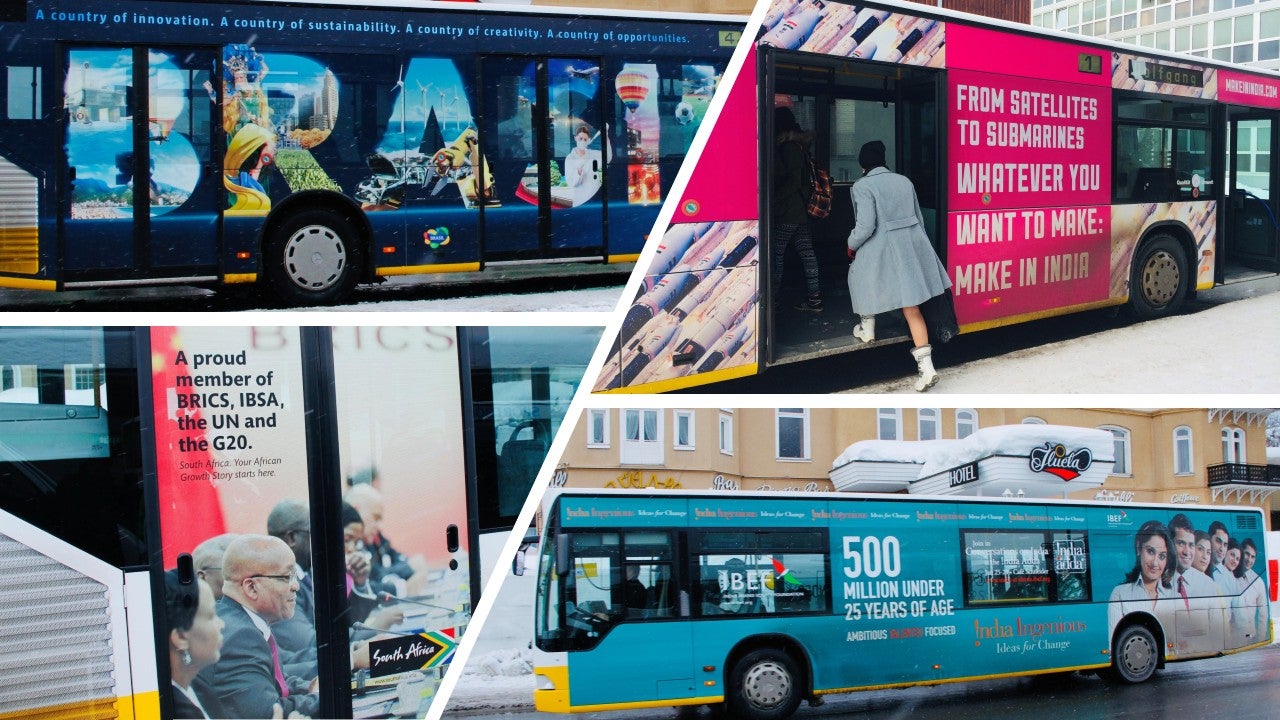
In this talk, I examine the historical phenomenon of emergence: the transformation of the postcolony into emerging market in the early twenty-first century. This spectacular shift unfolded in what was dubbed the era of globalisation marked by mobility and expansion of capitalist geographies into ever-new economic frontiers. The global capital flows were moving eastward and southward. The postcolonial nations branded afresh as resource-rich hubs of untapped talent and market potential were newly opened-up for foreign investments. The older paradigms of development and modernisation long deployed in the postcolony had given way to the new versions of the economic miracle, this time repackaged as economic liberalisation that promised to accelerate history. I ask what it means for the postcolony to emerge on the world stage. How do entanglements of anti-colonial pasts and possible market futures reforge the present in this endless redrawing of the capitalist geographies? And what might be the nature and forms of postcolonial futures taking shape in this transformative moment? Drawing on my research in India and the South Asian region, I trace how old and new modes of worldmaking interrupt and remake the postcolony. I finally conclude with reflections on methodologies and wider implications of these developments in Asia and beyond.
ABOUT THE SPEAKER
Ravinder Kaur is Professor of Asian Studies at the University of Copenhagen. Her core research focuses on two formative moments in the history of modern India: the mid-20th century political liberation and the making of the postcolonial state and the 1990s economic liberalisation which reforged India as an emerging market power. Her most recent work Brand New Nation: Capitalist Dreams and Nationalist Designs in Twenty-First-Century India (Stanford, 2020) delves into the processes of capitalist transformations in India. Tracing the long history of the 1990s economic reforms, the book unpacks the yet ongoing transformation of the postcolonial nation into an “attractive investment destination”, and the attendant rise of investment-fuelled cultural nationalism.
REGISTRATION
Registration is closed. However, we welcome walk-ins to join us if there are available seats.