Events
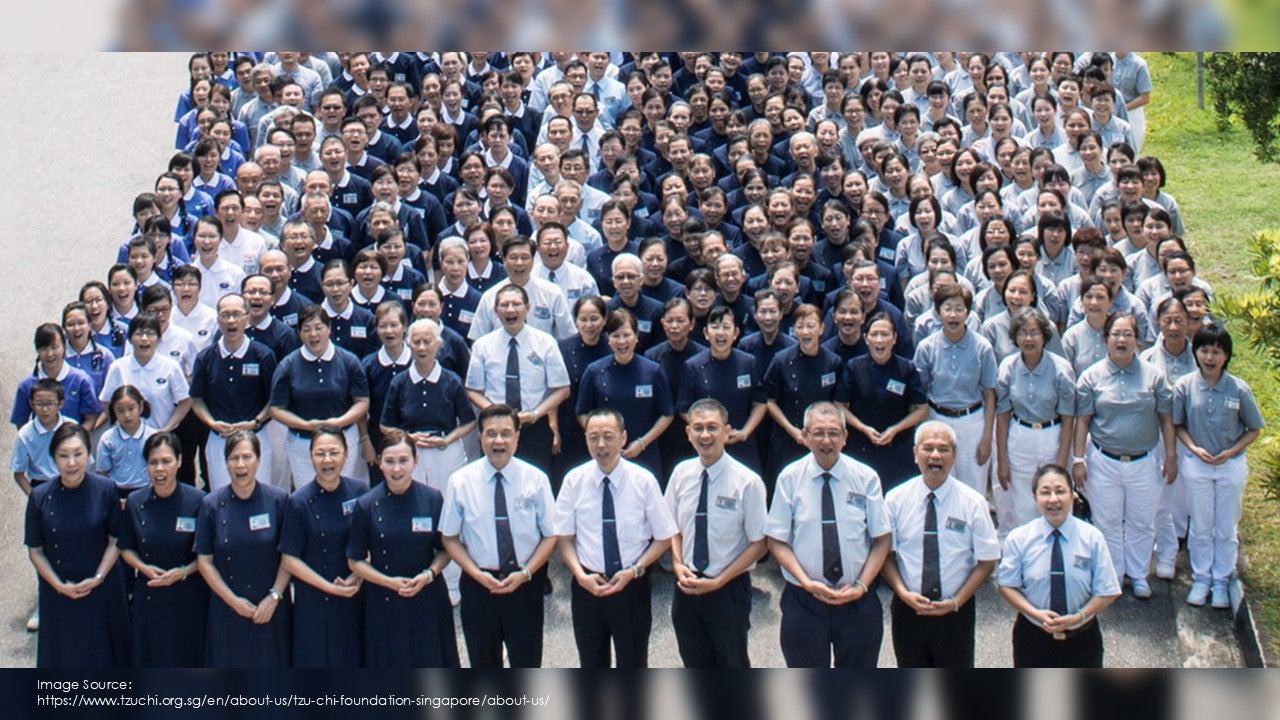
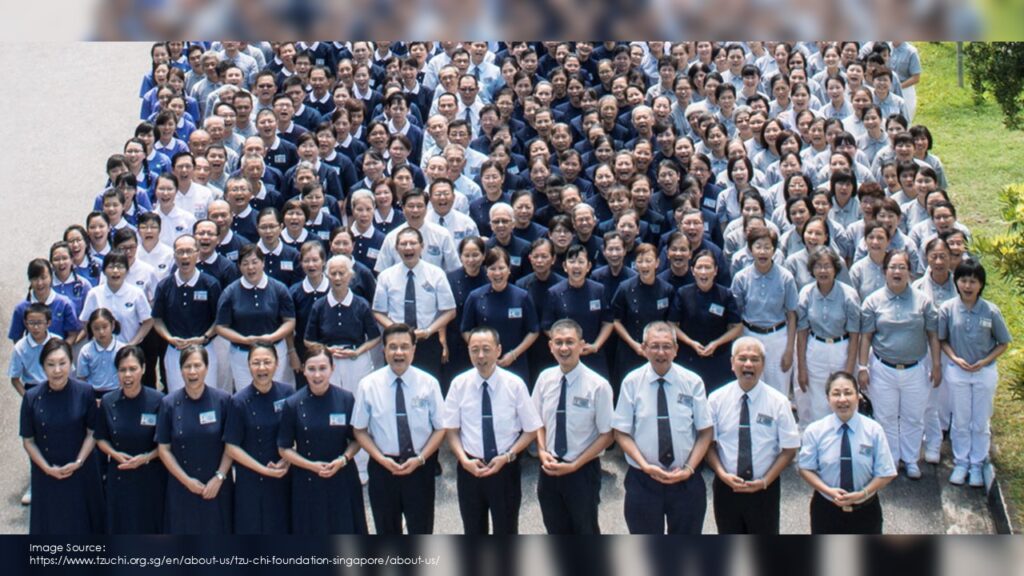
FOO HAI SEMINAR SERIES IN BUDDHIST STUDIES – Caring for the Self with Others: Taiwanese Tzu Chi’s Lay Precepts | Pei-ying Lin
| Date | : | 21 Jan 2026 |
| Time | : | 16:00 – 17:30 |
| Venue | : | AS8, Level 4, Seminar Room 04-04 |
| Contact Person | : | LIM, Zi Qi |
This talk is organised by the Asia Research Institute, National University of Singapore; with funding support from the Foo Hai Ch’an Monastery Fellowship in Buddhist Studies.
CHAIRPERSON
Assoc Prof Jack Meng-Tat Chia, Department of History, National University of Singapore
ABSTRACT
This paper examines Master Cheng Yen’s interpretation of Buddhist precepts through three interrelated perspectives: the textual and conceptual sources that informed her modernized ethical framework, the formulation of the Ten Precepts of Tzu Chi, and the enhanced role of love and compassion as integral complements to Buddhist discipline within the Foundation. While precepts have historically been seen as the preserve of the ordained sangha, Cheng Yen’s adaptation foregrounds the moral responsibilities of lay followers, thereby expanding the relevance of Buddhist regulations in the contemporary world. The ethical system she has articulated is neither a simple replication of canonical Buddhist rules nor a wholesale rejection of tradition. Rather, it is a selective reinterpretation designed to resonate with the values and capacities of lay Buddhists, who constitute the majority of practitioners in Taiwan and worldwide. This reformulation has enabled the Tzu Chi Foundation to cultivate a disciplined yet flexible moral community in which Buddhist precepts are not abstract doctrines but lived guidelines for service, charity, and environmental stewardship. By foregrounding Taiwanese laity, the study demonstrates how spiritual subjectivities are communally shaped within institutional settings and public service. Framed within theories of multiple modernities, I argue that Tzu Chi exemplifies a distinct Buddhist moral modernity—lay-centered, civically embedded, and service-oriented. Its model highlights the continued vitality of Buddhist regulations as a source of moral authority in modern society and offers a globally significant paradigm for rethinking the role of precepts in shaping ethical citizenship, collective spirituality, and transnational Buddhist engagements.
ABOUT THE SPEAKER
Pei-ying Lin is an associate professor at the Graduate Institute of Religious Studies, National Chengchi University, Taiwan. She previously completed her PhD at SOAS, University of London. Her research interests include Zen Buddhism, Sino-Japanese cultural exchanges and Buddhist networks. Her recent publications have appeared in Studies in Chinese Religions, Harvard Journal of Asiatic Studies, The Eastern Buddhist, and Religions.
REGISTRATION
Registration is closed. However, we welcome walk-ins to join us if there are available seats.