Events
FOO HAI SEMINAR SERIES IN BUDDHIST STUDIES – Generative Karma: Buddhist Disaster Response in Medieval Japan | Jesse Robert LeFebvre
| Date | : | 21 Apr 2026 |
| Time | : | 16:00 – 17:30 |
| Venue | : | AS8, Level 4, Seminar Room 04-04 |
| Contact Person | : | LIM, Zi Qi |
This talk is jointly organised by the Asia Research Institute, and the GL Louis Religious Pluralism Research Cluster in the Faculty of Arts and Social Sciences, National University of Singapore; with funding support from the Foo Hai Ch’an Monastery Fellowship in Buddhist Studies.
CHAIRPERSON
Assoc Prof Jack Meng-Tat Chia, Department of History, National University of Singapore
ABSTRACT
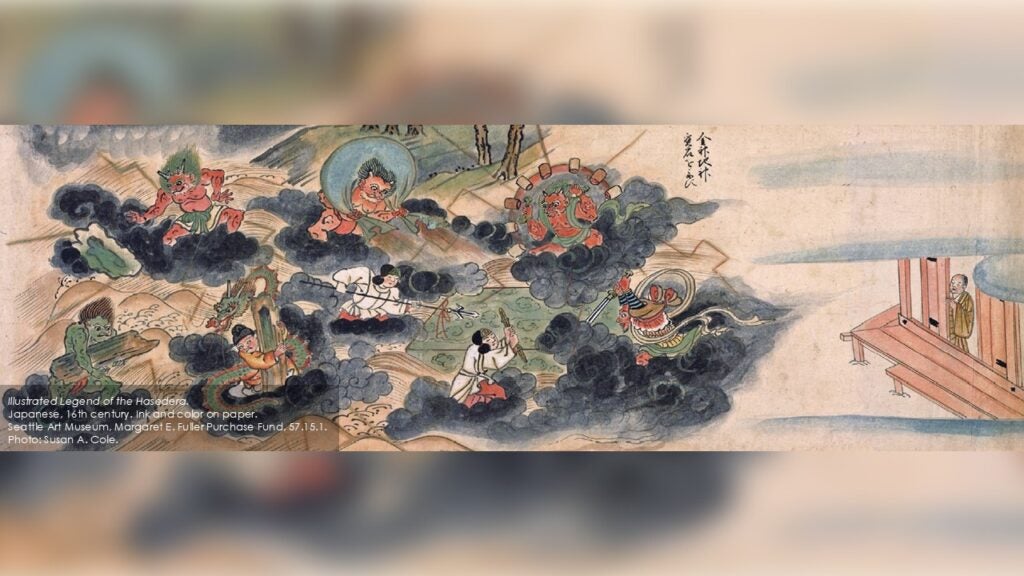
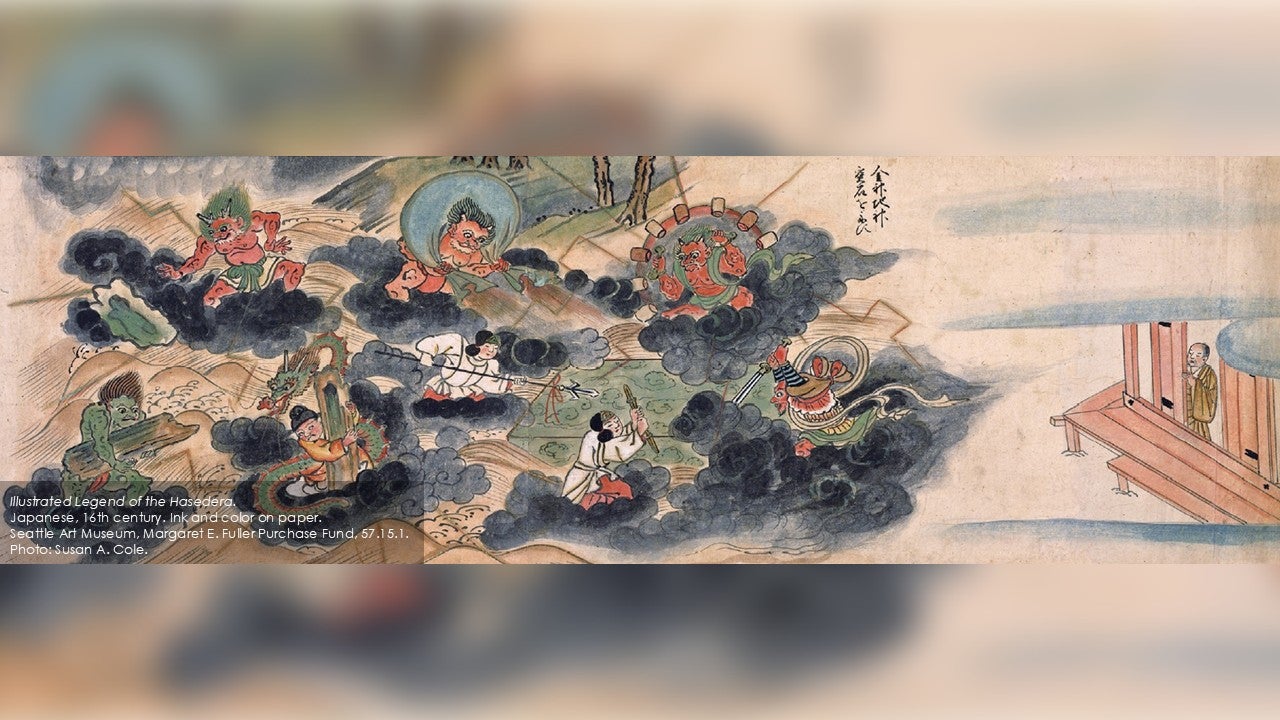
Buddhism is often described as a religion that embraces the impermanence and inevitable cessation of all things and yet, paradoxically, this acceptance of impermanence has imbued certain historical manifestations of Buddhism with flourishing sustainability—especially in the face of disaster. One dramatic example of such flourishing comes from the medieval Japanese context where over the course of eight centuries of repeated disaster one of Japan’s most influential temples, Hasedera, fostered the development of a culture that was not merely resistant to disaster’s effects but thrived in the wake of disaster. The site’s “antifragility”—that is, its ability to thrive and grow when exposed to volatility, randomness, disorder, and stressors—transformed the very meaning of disaster itself. Ultimately, destruction became the language by which the Hasedera Kannon was believed to express her will and, as such, disaster was also believed to be the skillful means by which this bodhisattva compassionately intervened in the karmic destinies of individuals, society, Buddhist institutions, and politics in order to generate soteriological opportunities that also served as a catalyst for temple restoration efforts at Hasedera and throughout Japan.
ABOUT THE SPEAKER
Jesse Robert LeFebvre is an assistant professor in the Department of Japanese Studies at the National University of Singapore. He is a specialist in both the premodern and modern religious traditions, literatures, and cultures of Japan. His main research interests currently include the relationship between disaster and the formation of religious cultures, visual culture and legally sanctioned violence, cultures of nonreligiousness, and Korean religion and film.
REGISTRATION
Registration is closed. However, we welcome walk-ins to join us if there are available seats.