Events
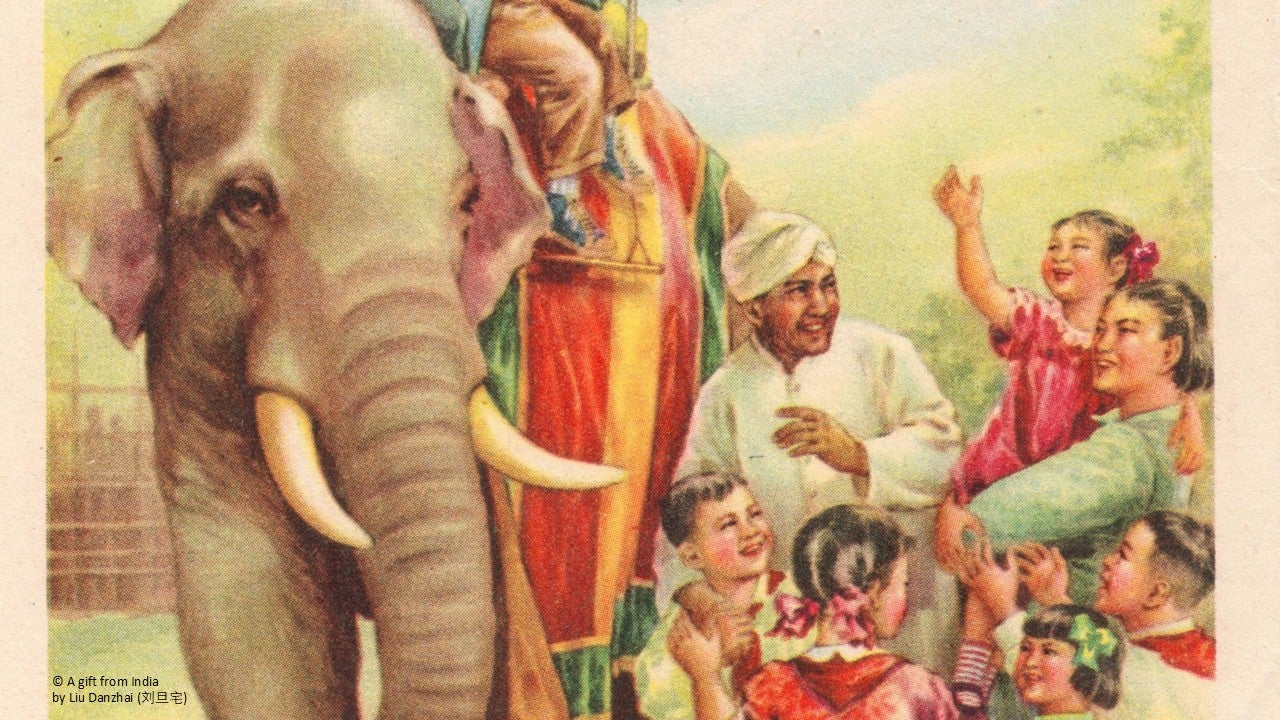
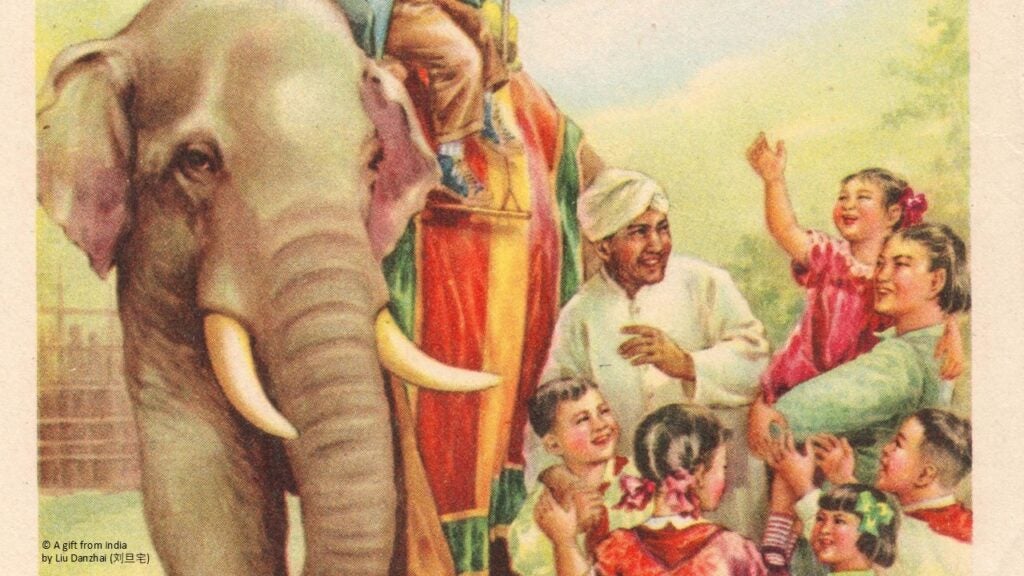
India-China in the Long 1950s: Archives, Ideas, and Cultural Worlds
| Date | : | 05 Jan 2026 - 06 Jan 2026 |
| Venue | : | Hybrid (Online via Zoom & AS8 04-04) |
| Contact Person | : | YEO Ee Lin, Valerie |
| Programme | ||
This conference is jointly organised by the Asia Research Institute, and the Lee Kuan Yew School of Public Policy at the National University of Singapore. This event is funded by the Nalanda Professorship in India-China Studies, with support from the Harvard-Yenching Institute, and the Center for Global Asia at NYU Shanghai.
This international conference revisits the 1950s as a formative decade in the history of India–China relations—a period marked by diplomatic optimism, ideological experimentation, and evolving visions of Asia’s postcolonial futures. Drawing on newly accessible archival materials and reexamining key moments of exchange and tension, the conference seeks to illuminate how political, cultural, and intellectual interactions between India and China during this decade shaped regional dynamics and global imaginaries. Bringing together scholars from diplomatic history, intellectual history, international relations, and cultural studies, the conference highlights the roles of both state and non-state actors in shaping India–China engagements in the first decade after Indian independence and the liberation of China. Topics include emerging sources and methodological approaches for studying the 1950s; India–China interactions within shifting geopolitical imaginaries of the early Cold War; influential individuals and institutions; evolving mutual perceptions; and cinematic and performative representations that framed the bilateral relationship.
This convening inaugurates a new scholarly initiative under the Nalanda Professorship in India–China Studies at the Asia Research Institute, and forms part of a broader knowledge-building effort, including the development of print and digital encyclopedias. The 1950s serve as the starting point for rethinking India–China studies from a transregional and multi-archival perspective.
CONFERENCE CONVENORS
Prof Kenneth DEAN | National University of Singapore
Assoc Prof Selina HO | National University of Singapore
Prof Tansen SEN | NYU Shanghai & New York University
REGISTRATION
Registration is closed, and registered attendees have been given instructions on participating in this hybrid event. Please write to valerie.yeo@nus.edu.sg if you would like to attend the event.