

Arabia Asia Archives
Arabia Asia Archives is a flagship project of the Arabia Asia Studies Programme. Since its establishment, our Programme has collaborated with researchers, affiliates, and students to build an archive of primary materials in Arabia Asia studies. We have jointly scanned manuscripts and documents from important, yet previously neglected indigenous sources held in private collections, including mosque libraries, institutions, and overlooked locations across Arabia and Asia. Unsurprisingly, we have found rich historical troves in places off the global arteries of major cities connected by air travel -sites once linked to distant regions by the sea, deserts, and mountain passes. We have also conducted ethnographic fieldwork, collected materials, and recorded inscriptions found at tombs, monuments, and mosques. More...>
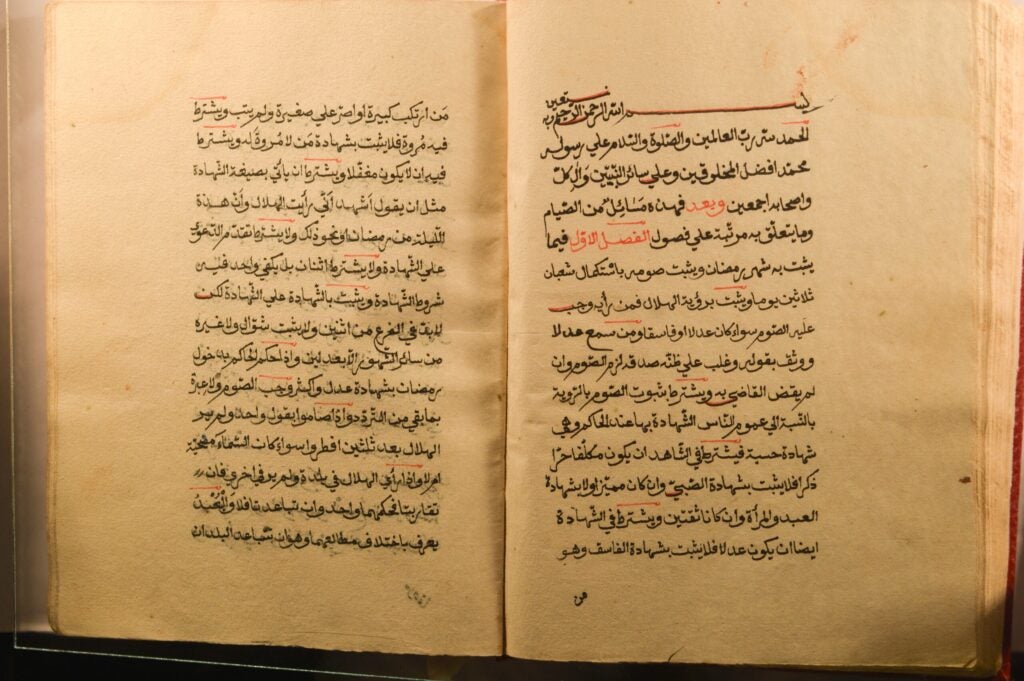
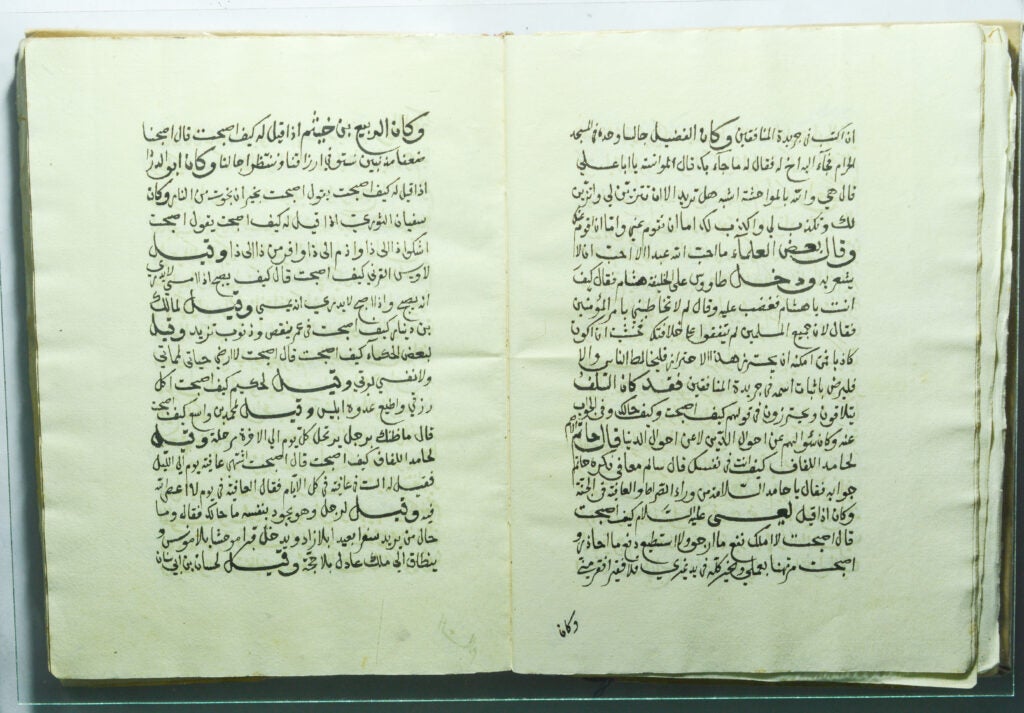
The manuscript is organized into distinct chapters interspersed with poetic verses, creating a rhythmic alternation between prose exposition and lyrical reinforcement. The text encourages deep reflection as a spiritual practice while cautioning against al-ghaflah (heedlessness), the state of being oblivious to divine presence and moral accountability. It further explores the dichotomy between knowledge and ignorance, contrasting the virtues of learning with the dangers of willful unawareness. Building on this foundation, the work offers ethical guidance on the importance of companionship, specifying the kinds of people a Muslim should associate with and those to avoid. For scholars, this text integrates epistemology, ethics, and social theory, presenting companionship as a decisive factor in the cultivation of knowledge and the prevention of heedlessness.
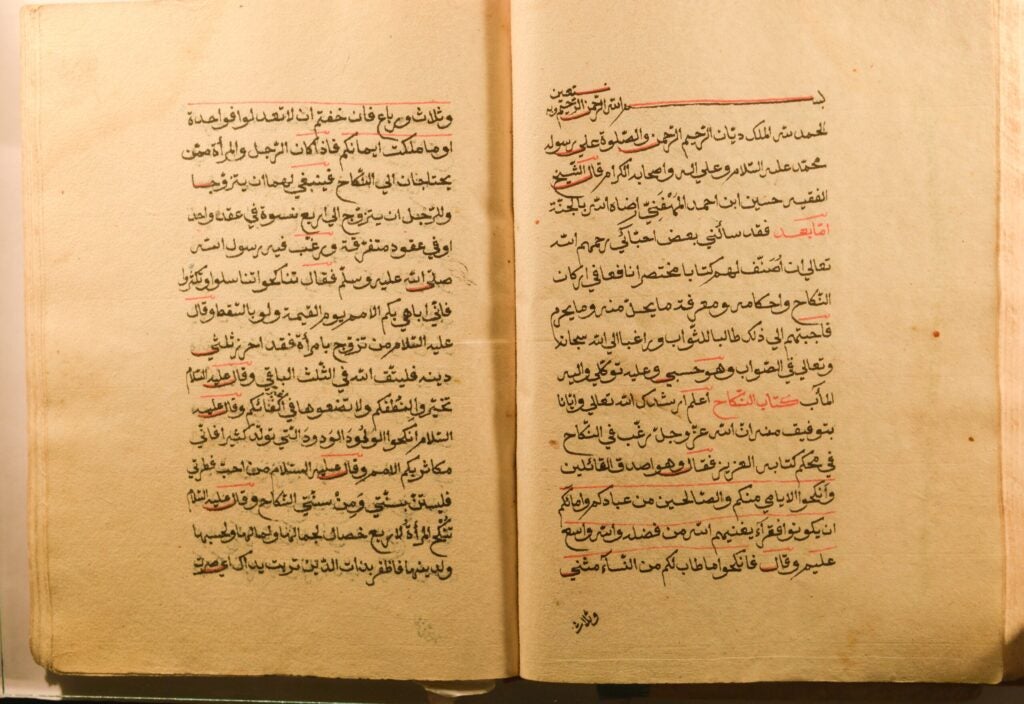
The work outlines the essential pillars of marriage, its legal rulings, and the associated obligations and prohibitions. Each directive is supported by Qur’anic verses and Prophetic traditions, grounding the discussion in scriptural and authoritative sources. The pillars establish the foundational elements required for a valid marriage contract, while the legal rulings clarify what is permissible, mandatory, or forbidden within the marital relationship. The obligations and prohibitions address the rights and responsibilities of both spouses. For scholars, this text provides a structured overview of Islamic marital jurisprudence, integrating normative legal doctrine with direct evidence from the Qur’an and ḥadīth.
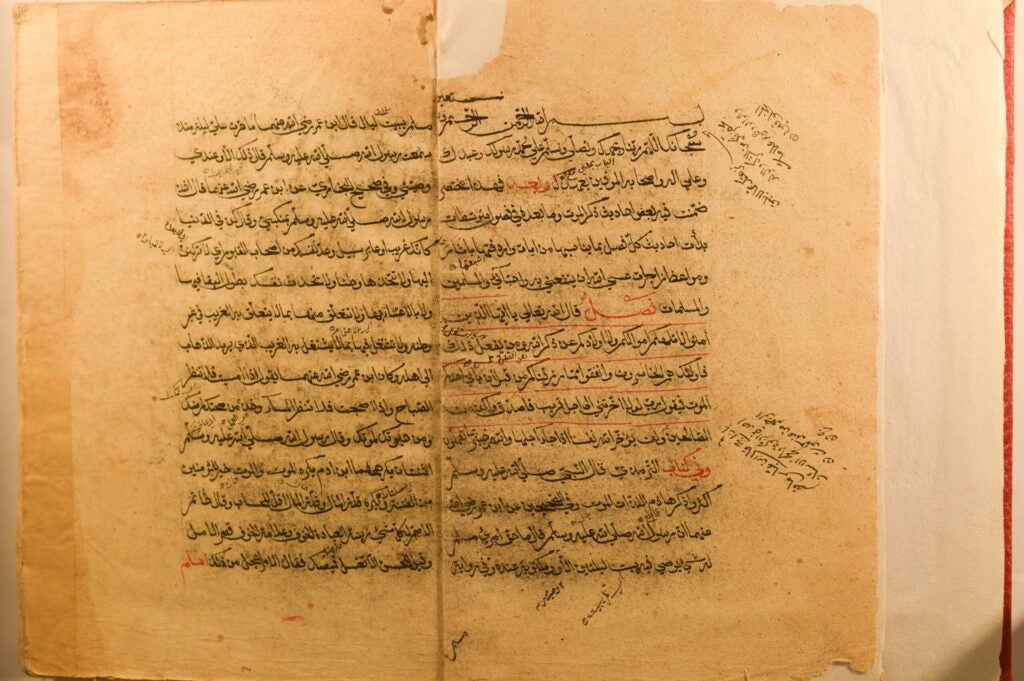
This thematic collection of ḥadīths focuses on the remembrance of al-mawt (death), gathering prophetic traditions that encourage mindfulness of life’s end. Each chapter concludes with poetic verses that reinforce the ḥadīths that precede them. The work alternates between scriptural authority and lyrical reflection, creating a meditative treatment of mortality. The manuscript measures 21 cm in length 15.1 cm in width and 3.3 cm in height and comprises a total of 230 folios.
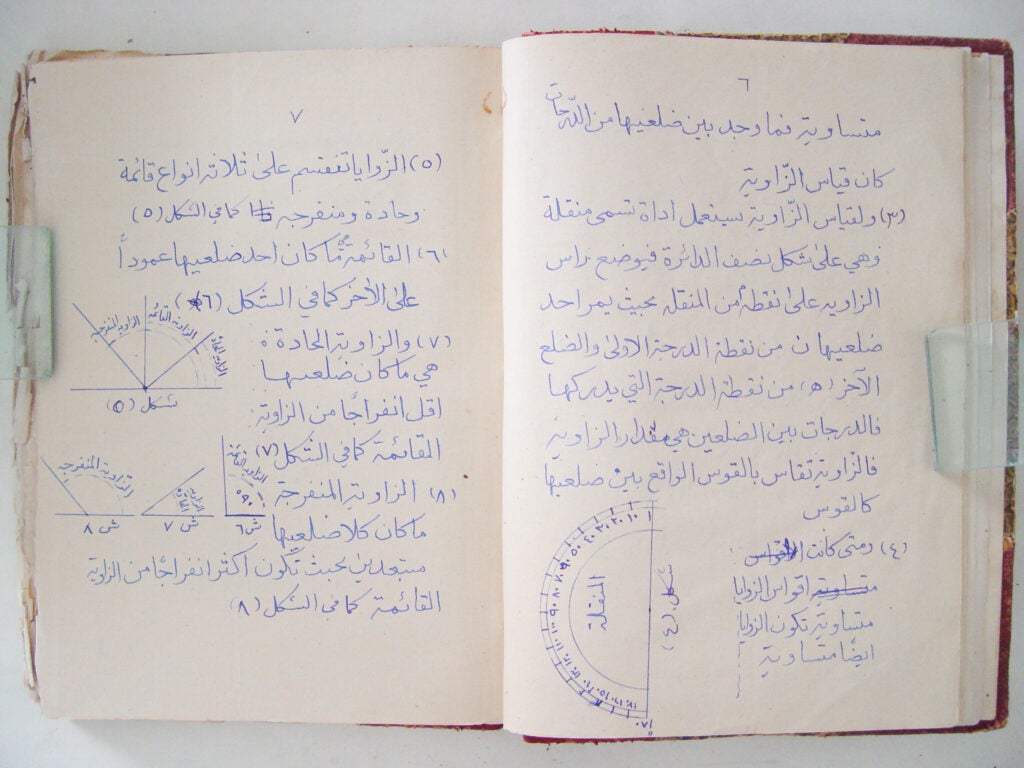
The manuscript describes maritime geography and astronomical principles. It includes mathematical equations for navigational calculations and discusses stellar navigation using celestial bodies. This copy preserves the core technical content focused on practical seafaring methods. The manuscript has a total of 80+ folios.
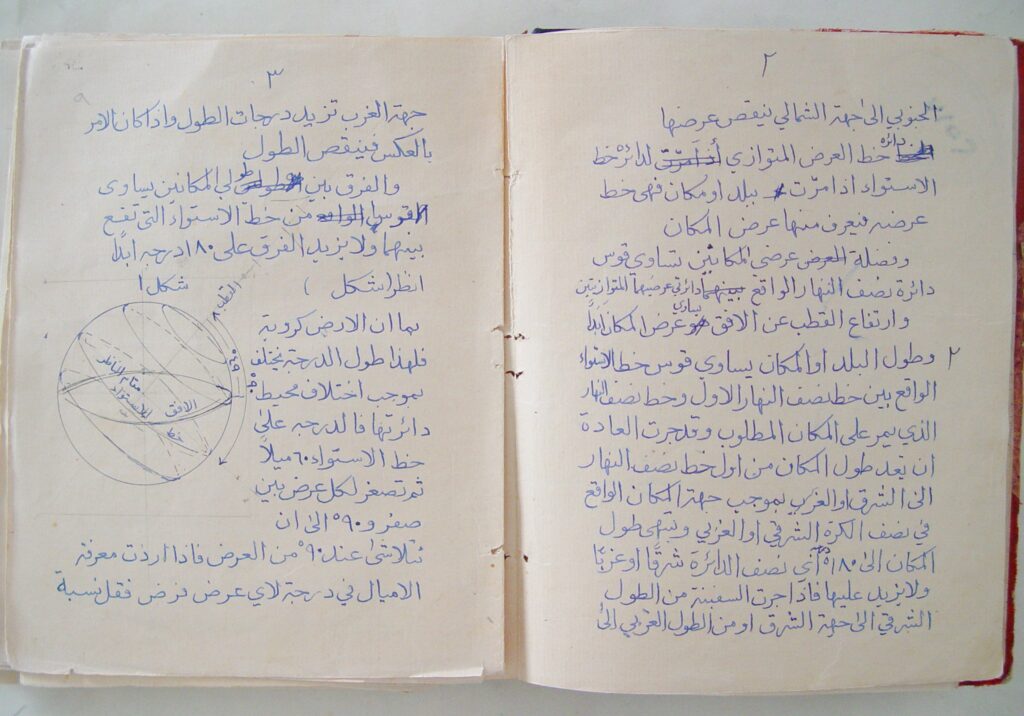
This book explores maritime geography and astronomical principles, offering a technical treatment of navigation at sea. The text incorporates mathematical equations that underpin the calculations required for determining position, distance, and direction during ocean voyages. In addition to these quantitative methods, the work addresses stellar navigation, explaining how celestial bodies, particularly stars, can be used as reference points for orientation and route-finding. The integration of geography, astronomy, and mathematics reflects a practical scientific tradition aimed at equipping sailors and navigators with reliable tools for long-distance travel.This manuscript provides insight into pre-modern navigation techniques, revealing how theoretical astronomical knowledge was translated into applied, equation-based maritime practice. Total 171 folios.