

Arabia Asia Archives
Arabia Asia Archives is a flagship project of the Arabia Asia Studies Programme. Since its establishment, our Programme has collaborated with researchers, affiliates, and students to build an archive of primary materials in Arabia Asia studies. We have jointly scanned manuscripts and documents from important, yet previously neglected indigenous sources held in private collections, including mosque libraries, institutions, and overlooked locations across Arabia and Asia. Unsurprisingly, we have found rich historical troves in places off the global arteries of major cities connected by air travel -sites once linked to distant regions by the sea, deserts, and mountain passes. We have also conducted ethnographic fieldwork, collected materials, and recorded inscriptions found at tombs, monuments, and mosques. More...>
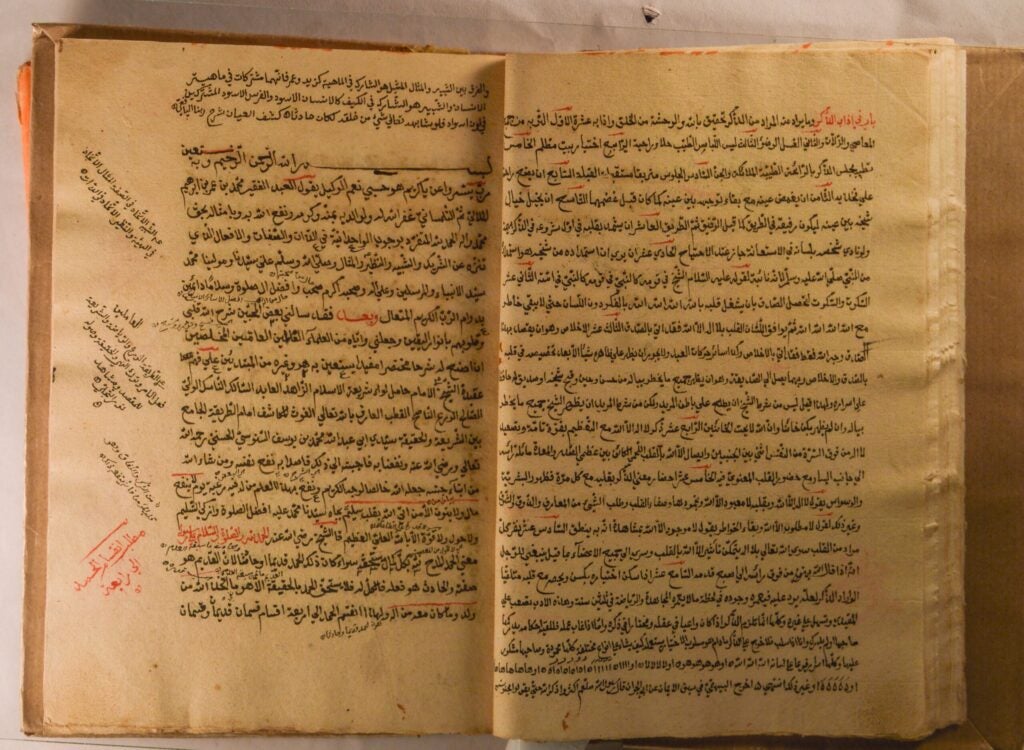
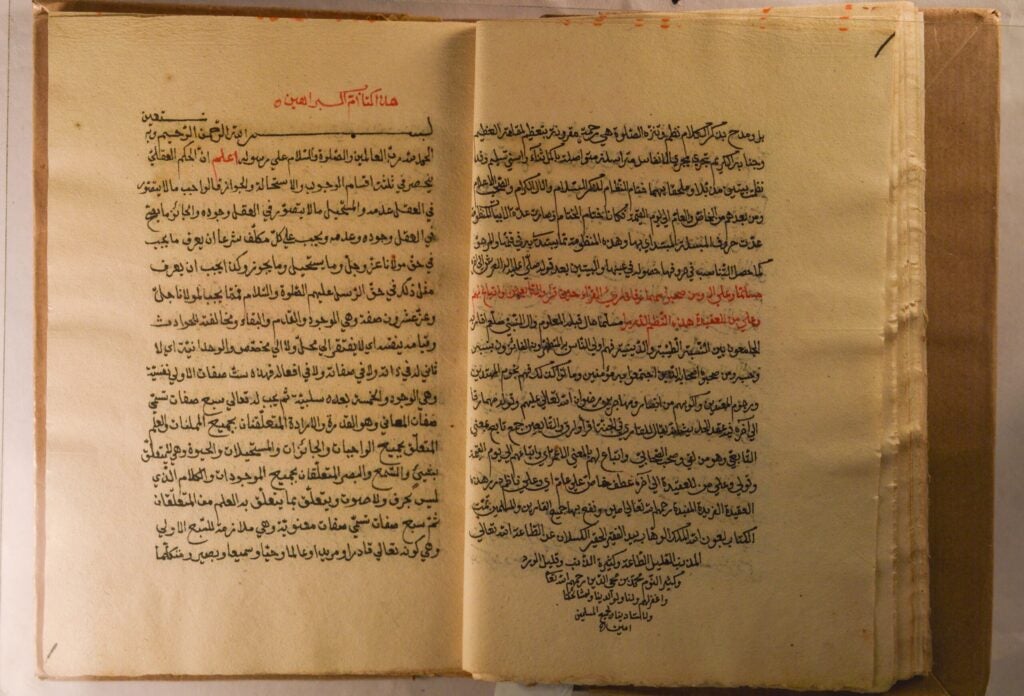
This manuscript presents the science of Uṣūl al-Dīn (fundamental theology), encompassing ʿIlm al-Kalām (dialectical theology) and ʿAqāʾid (creeds), as the foremost of all sciences. It grounds this discipline in rational judgment, which is limited to three exclusive categories: necessity (wujūb), impossibility (istiḥāla), and possibility (jawāz). Necessity applies to what must exist by logical necessity, impossibility to what cannot exist, and possibility to what may or may not exist.This tripartite framework provides the logical foundation for Islamic theological discourse, distinguishing necessary truths about the Divine from impossible claims and contingent worldly matters. The manuscript’s claim to preeminence reflects the classical view that understanding these rational categories is a prerequisite for all other religious sciences.
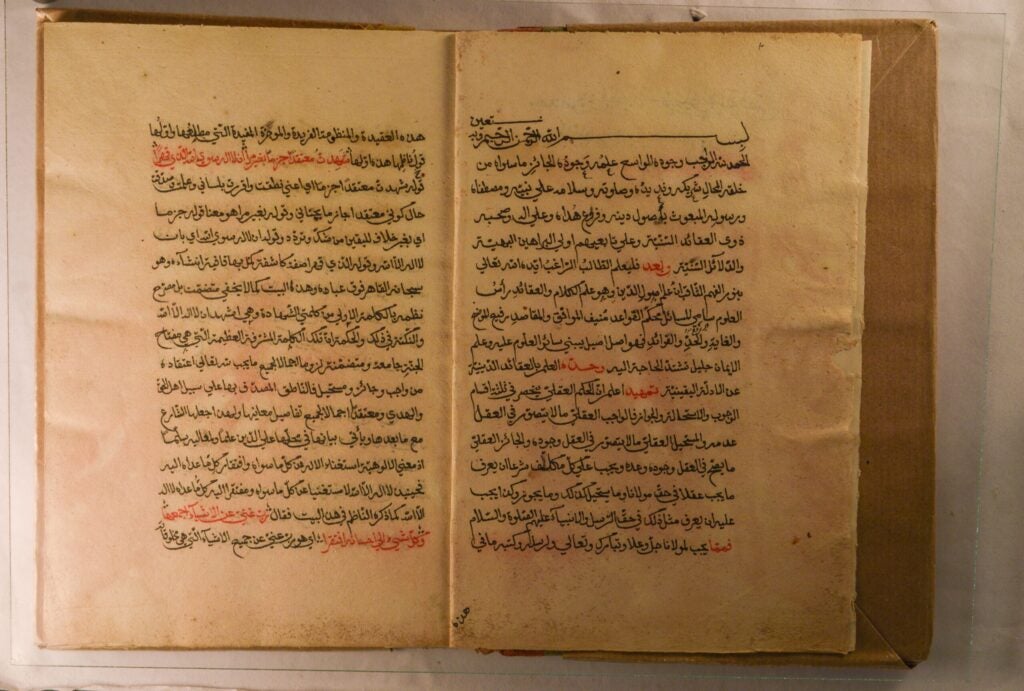
The text is a commentary on the poems of Salāma al-Binufarī (d. 1589), primarily concerned with Aqāʾid (creeds). It addresses God’s attributes and other fundamental theological questions within the framework of ʿIlm al-Kalām. The manuscript measures 21.1 cm in length, 14.8 cm in width, and 1.8 cm in height, and comprises 94 folios.
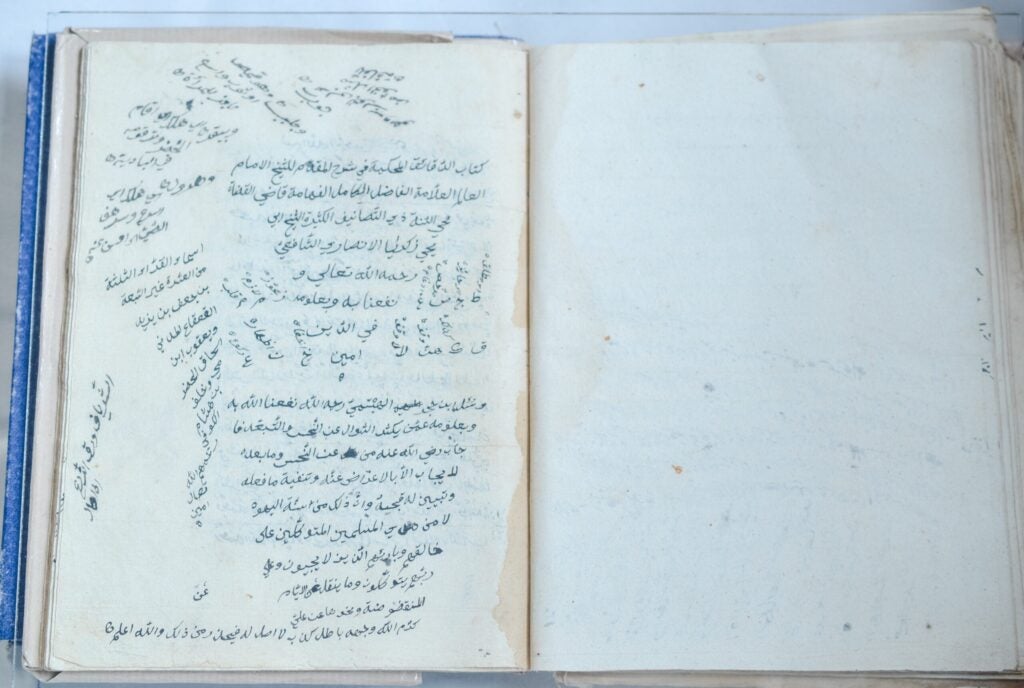
These pages consist of a commentary on al-Muqaddimah al-Jazarīyah, a foundational treatise on the science of Tajwīd (Qur’anic recitation). The original text, composed as a didactic poem, presents the essential rules for proper pronunciation, articulation points, and melodic qualities in reciting the Qur’an. This commentary systematically explains and expands upon the poem’s concise verses, clarifying technical terms, providing examples, and resolving ambiguities. For researchers, these pages represent the pedagogical tradition of scholarly glossing, in which a seminal work is made accessible to students through detailed exposition. The commentary format preserves the original structure while offering deeper insight into the practical application of Tajwīd rules in liturgical practice.
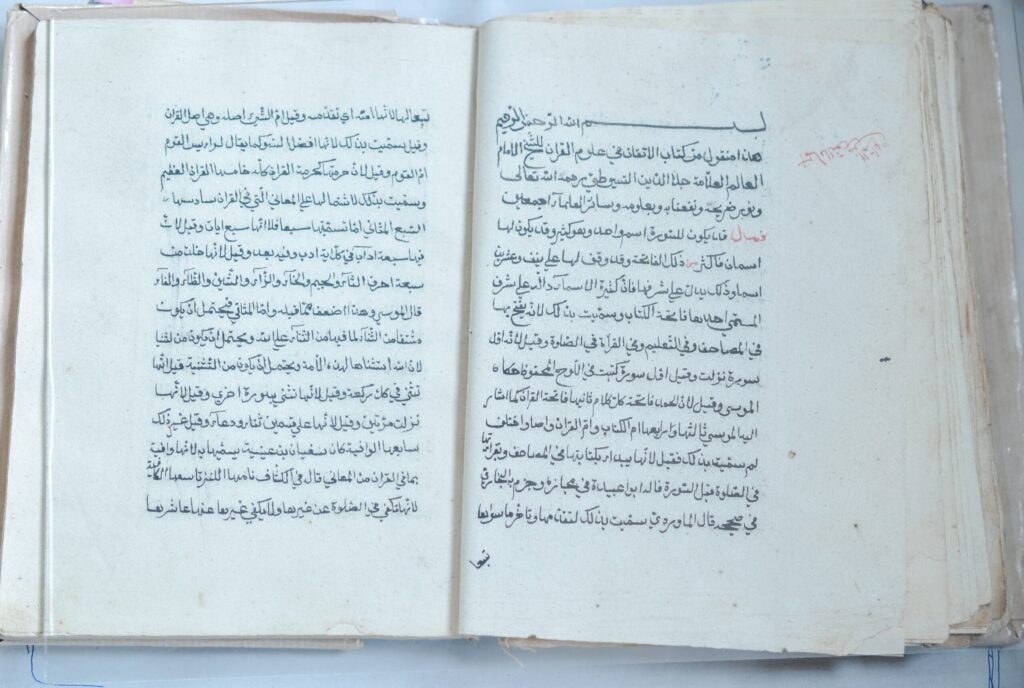
This work is considered one of the most renowned treatises on the derivation and extraction of spiritual and linguistic fawā’id (benefits) from the Holy Qur’an. The text systematically presents methods for drawing out concealed meanings, moral lessons, and linguistic insights embedded within the sacred scripture. It focuses on how careful reading and reflection yield practical benefits for both devotional life and Arabic philological understanding. For researchers, this treatise represents a foundational manual in the field of Qur’anic sciences, specifically the discipline of extracting benefits (istinbāṭ). Its enduring reputation attests to its comprehensive treatment of how the Qur’an serves as an inexhaustible source of spiritual guidance and linguistic knowledge for those trained in its interpretive methods.
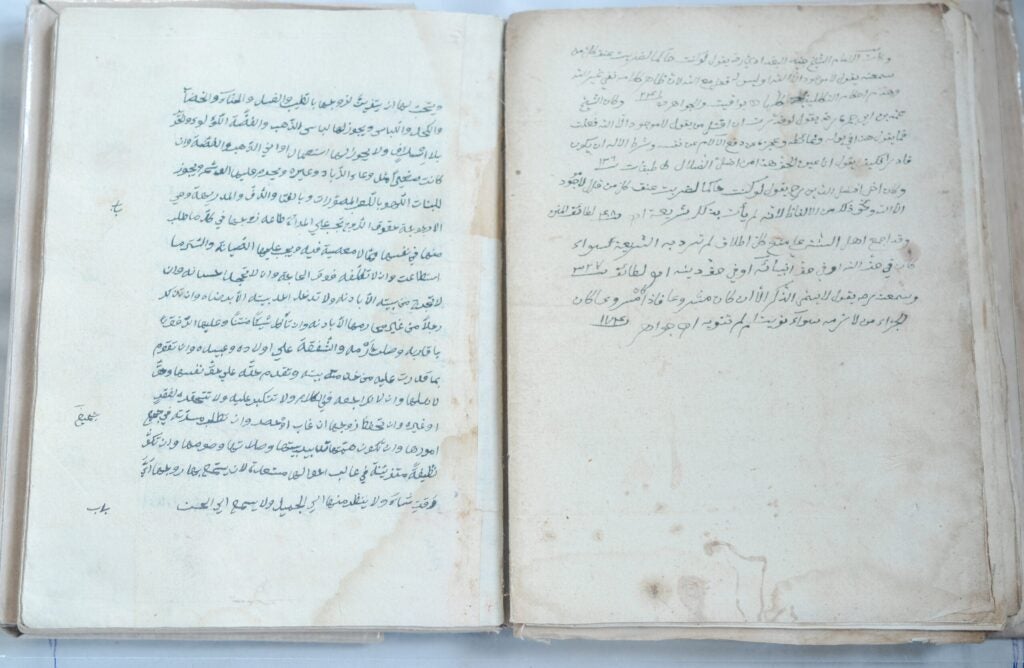
This manuscript is a collection of preaching treatises (rasāʾil waʿẓiyya) concerning several important religious and ethical themes. The text addresses the mutual rights of spouses, outlining the reciprocal responsibilities and just treatment expected in marriage. It also details the obligations of parents toward their children, including education, care, and moral guidance. Another section explores the concept of al-Salām (peace) as both a divine attribute and a human virtue to be cultivated in social relations. Finally, the collection discusses the trials of ʿAdhāb al-Qabr (the punishment of the grave), describing the posthumous questioning and torment awaiting the unrighteous. For researchers, this compilation offers insight into popular moral literature, weaving together legal, ethical, and eschatological themes into practical exhortations for daily life and spiritual preparation.