

Arabia Asia Archives
Arabia Asia Archives is a flagship project of the Arabia Asia Studies Programme. Since its establishment, our Programme has collaborated with researchers, affiliates, and students to build an archive of primary materials in Arabia Asia studies. We have jointly scanned manuscripts and documents from important, yet previously neglected indigenous sources held in private collections, including mosque libraries, institutions, and overlooked locations across Arabia and Asia. Unsurprisingly, we have found rich historical troves in places off the global arteries of major cities connected by air travel -sites once linked to distant regions by the sea, deserts, and mountain passes. We have also conducted ethnographic fieldwork, collected materials, and recorded inscriptions found at tombs, monuments, and mosques. More...>
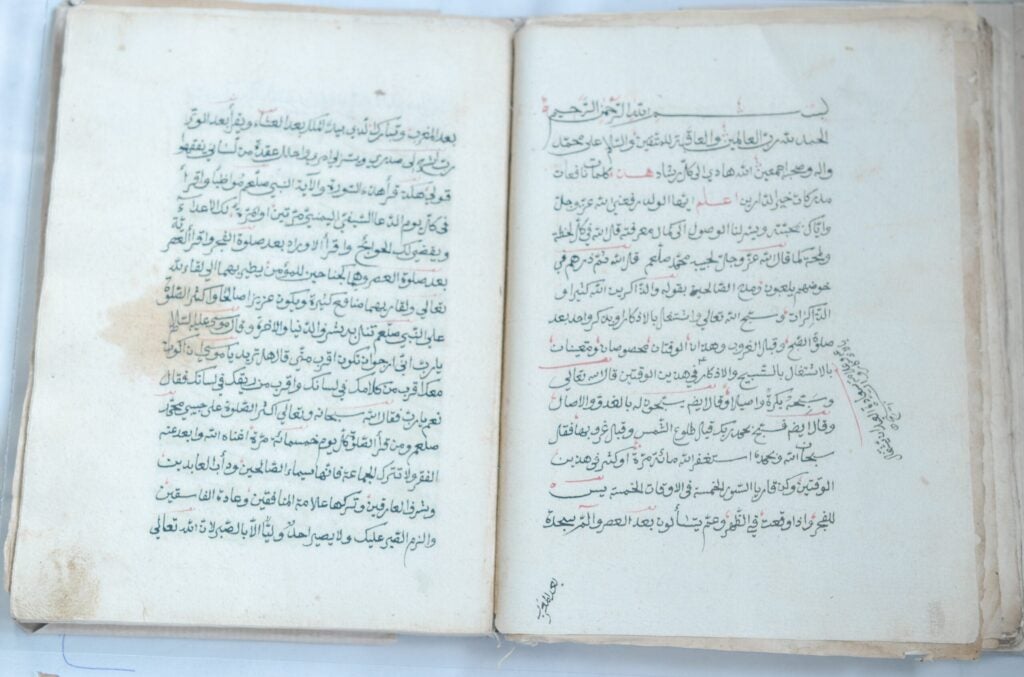
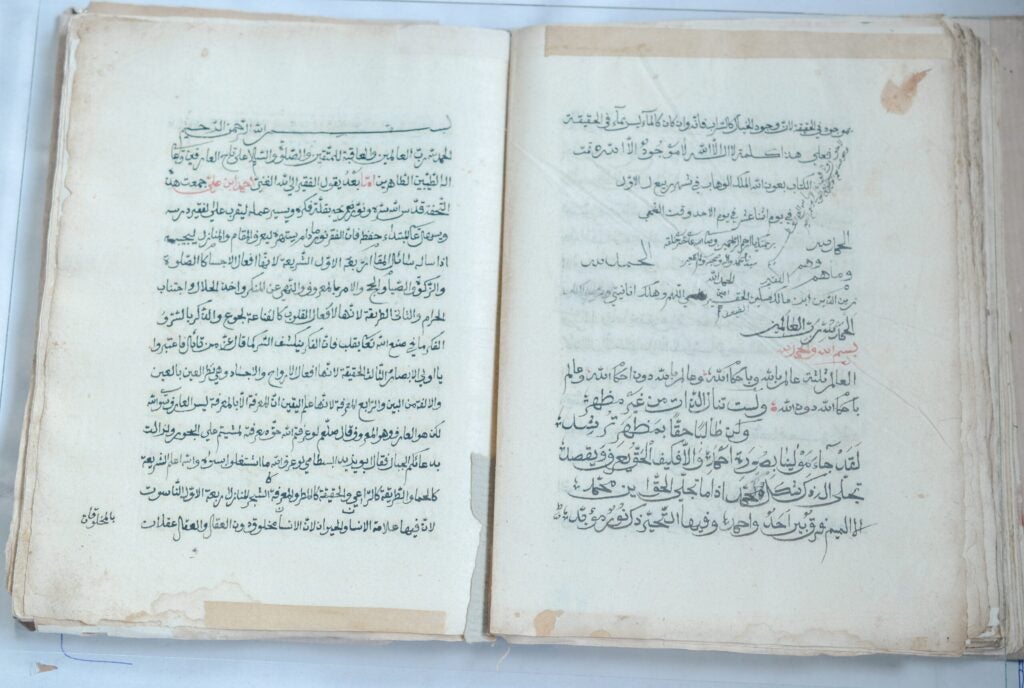
This manuscript is a preaching treatise (Risālat waʿẓiyya) focusing on the spiritual significance of prayer, the virtues of al-Faqr (poverty), and the discipline of al-Jūʿ (hunger). The text exhorts the reader to recognize prayer as the central act of devotion connecting the believer to the Divine. It further presents voluntary poverty not as economic deprivation, but as freedom from worldly attachment and cultivation of trust in God alone. The discipline of hunger is described as a means of subduing bodily desires, sharpening spiritual awareness, and attaining proximity to the Divine. For researchers, this work represents a distinctive genre of Sufi ethical literature that uses ascetic practices—prayer, poverty, and hunger—as interconnected spiritual disciplines for purifying the soul and redirecting attention toward the afterlife.
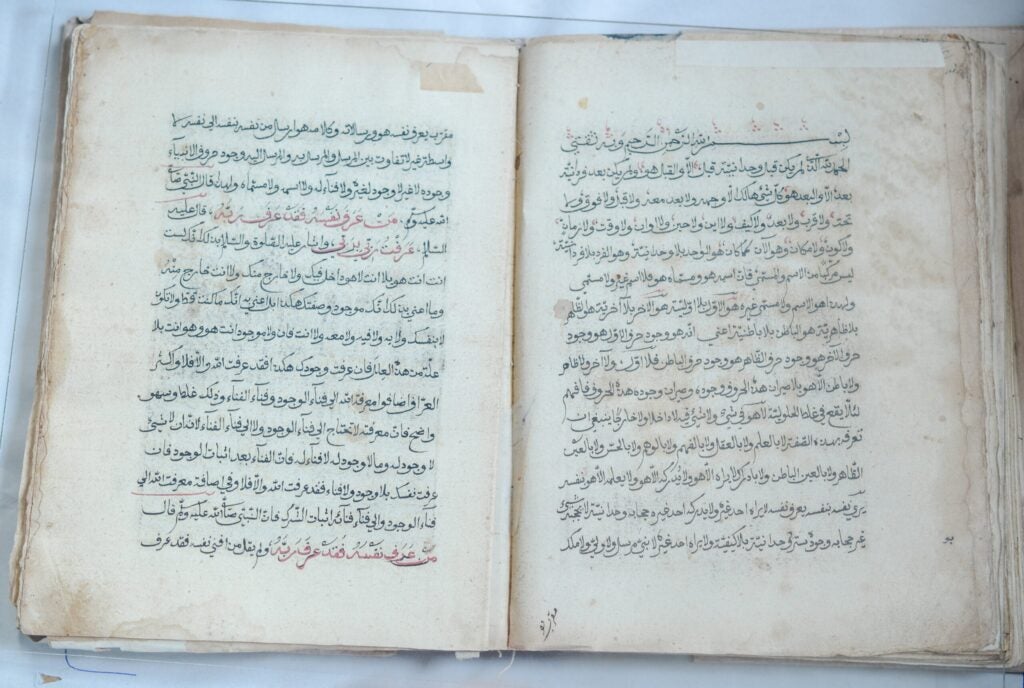
This manuscript offers a detailed exposition of existence and the hierarchical levels of being. The text systematically examines existence as a fundamental reality, distinguishing between necessary, contingent, and impossible being. It then delineates the ascending or descending ranks of existence, from the highest, most absolute level down to the material world, or vice versa. Each ontological level is characterized by its degree of reality, perfection, and proximity to the source. For researchers, this work provides a structured framework for understanding Sufi and philosophical cosmology, clarifying how different orders of being relate to one another within a graded metaphysical hierarchy culminating in the Divine
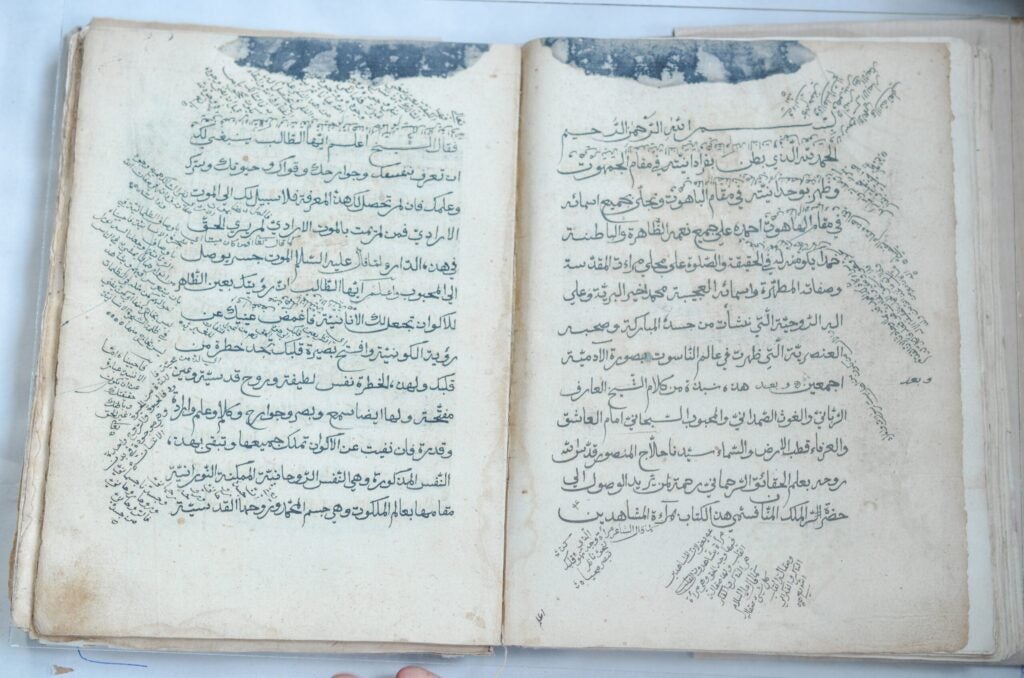
This text focuses on existence and the spiritual well-being of the Muslim individual, detailing the inward and outward states of the human limbs and the intricacies of daily life through a Sufi perspective. The work examines how physical actions of the hands, tongue, eyes, and other limbs reflect or affect the heart’s inner condition. It further explores how everyday activities, from eating to speaking, can be transformed into acts of worship through conscious intention (niyyah). This manuscript offers insight into Sufi ethical psychology, where external behavior and internal spirituality are viewed as inseparable dimensions of a single, integrated path toward divine proximity.
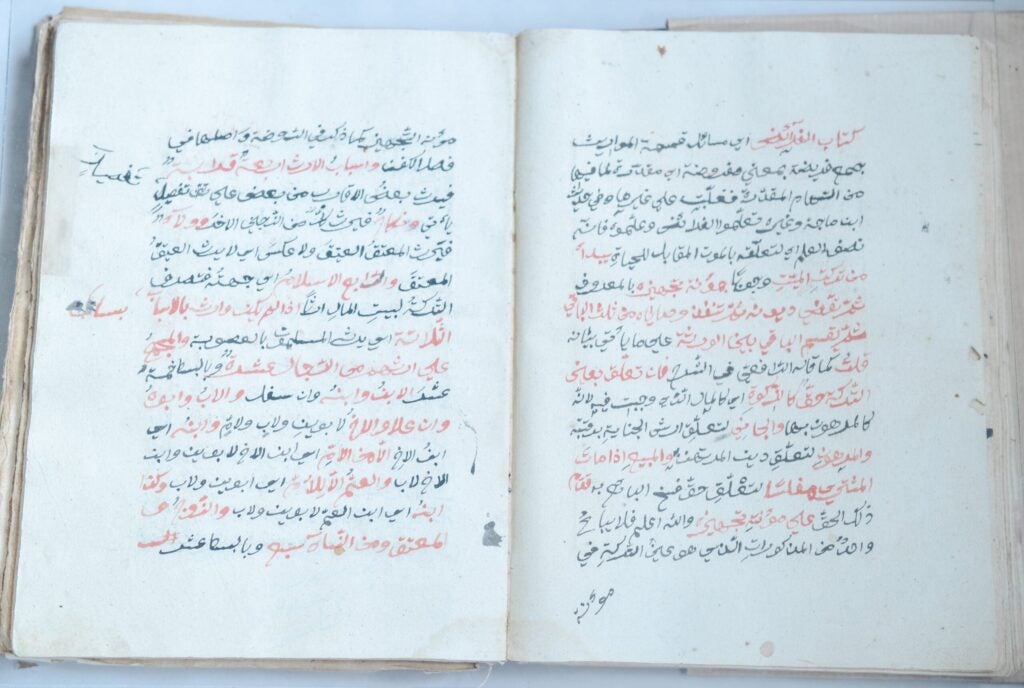
This summary of Kitāb al-Farā’iḍ (the Book of Obligatory Shares and Inheritance) details the distribution methods, legal rulings, and various categories of heirs. The text systematically outlines the fixed shares assigned to primary heirs, the principles for calculating entitlements, and the order of priority among claimants. It further addresses the resolution of complex cases involving excluded relatives or multiple heirs. For researchers, this condensed manual provides a structured reference for understanding Islamic inheritance jurisprudence, demonstrating how the legal framework determines distribution based on kinship proximity and specific impediments under sharīʿah.
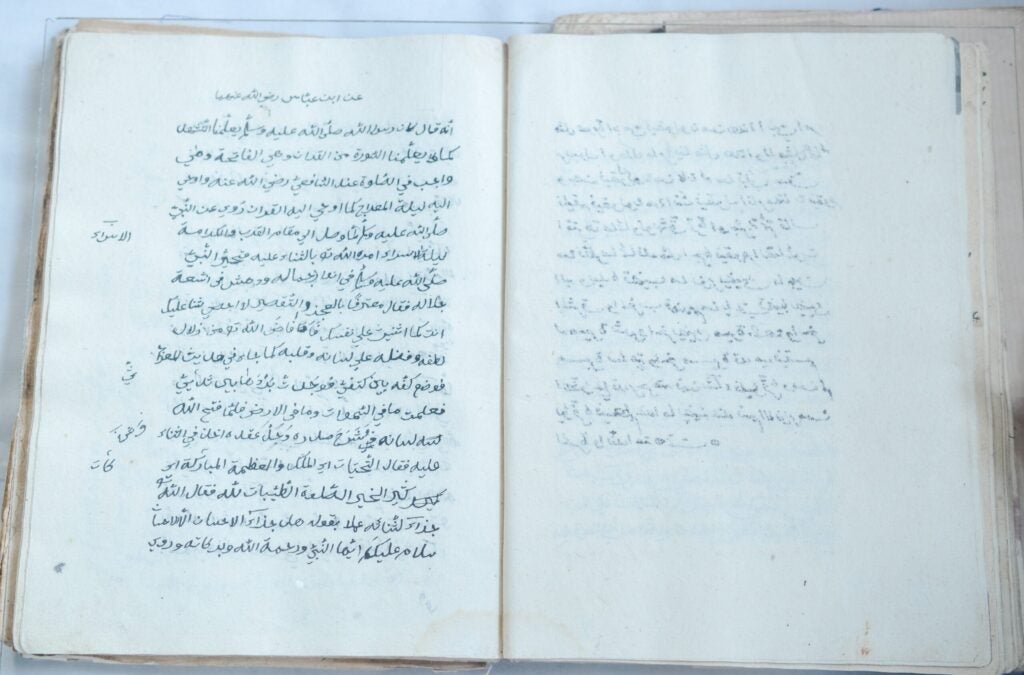
This brief account, spanning two pages, details the story of Prophet Ṣāliḥ’s she-camel and the actions taken against it by his people. The text narrates how the she-camel was sent as a miraculous sign from Allah, its designated drinking rights, and the community’s demand for its destruction. It describes the eventual hamstringing and killing of the camel by the disbelievers, followed by the divine punishment that befell them. For researchers, this compact narrative serves as a focused case study of prophetic miracle narratives and their consequences in Islamic tradition. The manuscript measures 21.1 cm in length, 15.3 cm in width, and 3.8 cm in height, and has a total of 283 folios.