

Arabia Asia Archives
Arabia Asia Archives is a flagship project of the Arabia Asia Studies Programme. Since its establishment, our Programme has collaborated with researchers, affiliates, and students to build an archive of primary materials in Arabia Asia studies. We have jointly scanned manuscripts and documents from important, yet previously neglected indigenous sources held in private collections, including mosque libraries, institutions, and overlooked locations across Arabia and Asia. Unsurprisingly, we have found rich historical troves in places off the global arteries of major cities connected by air travel -sites once linked to distant regions by the sea, deserts, and mountain passes. We have also conducted ethnographic fieldwork, collected materials, and recorded inscriptions found at tombs, monuments, and mosques. More...>
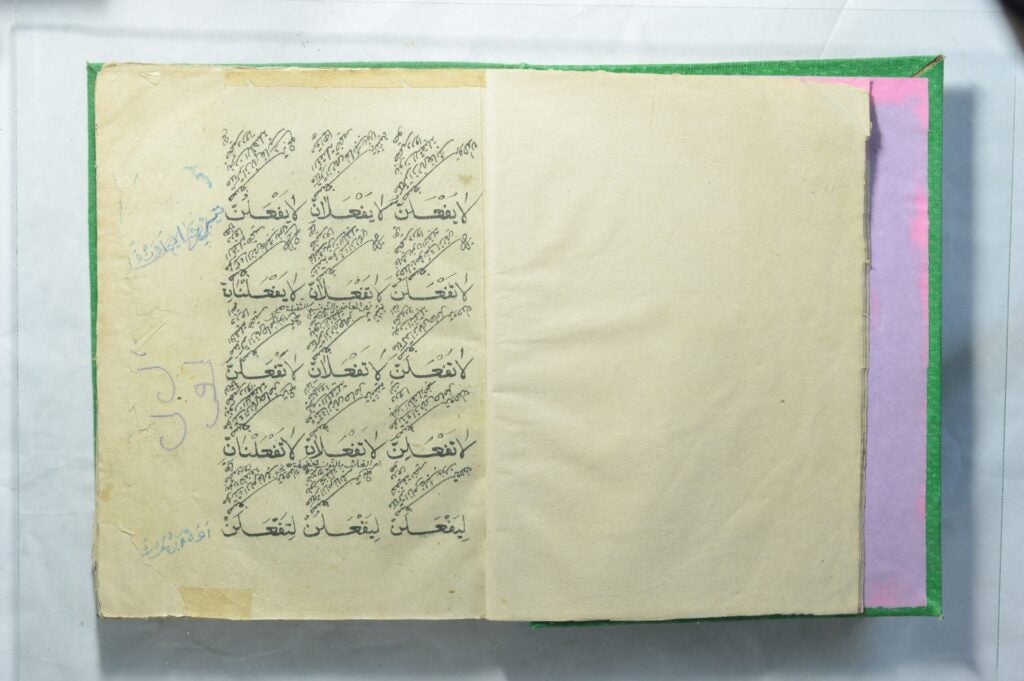
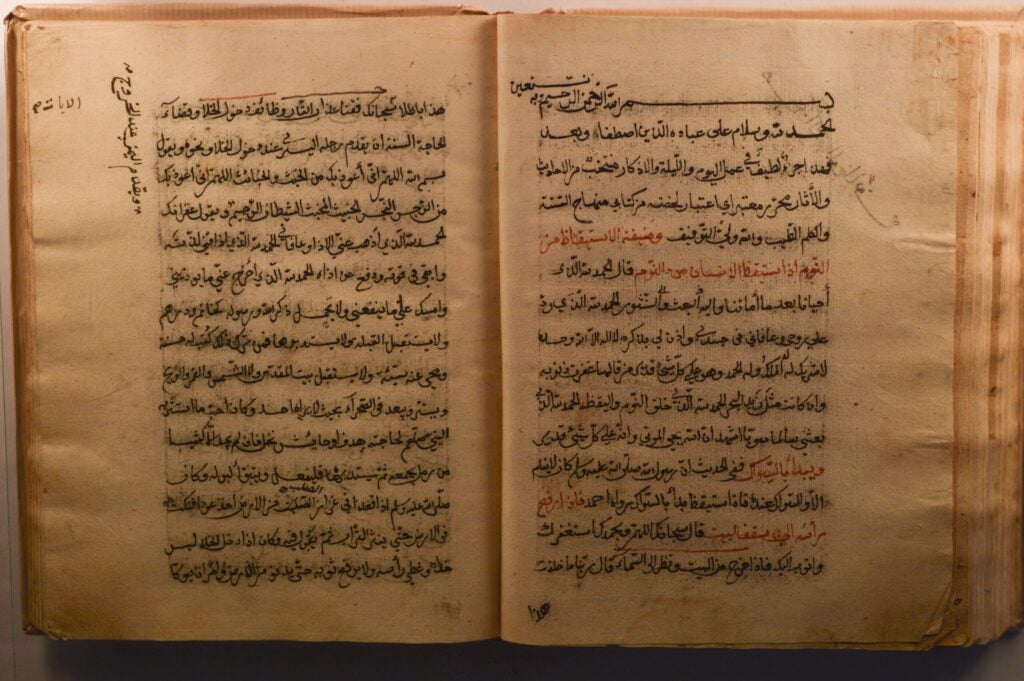
This manuscript offers a meticulous documentation of the Prophetic diurnal cycle, chronicling the Prophet Muhammad’s actions from waking until sleep. It functions as a normative manual for imitatio prophetica, providing a structured blueprint for believers to emulate his daily praxis in both sacred and mundane contexts. The text records his morning supplications, methods of personal hygiene, eating and drinking habits, dress, interactions with family and companions, night prayers, and bedtime rituals. Each action is presented as a model worthy of conscious imitation. For researchers, this work represents a distinctive genre of prophetic biography (sīrah) organized temporally rather than chronologically or thematically. It reveals how the Prophet’s every action was elevated to a normative status, transforming the mundane rhythms of daily life into moments of spiritual significance and legal consideration.
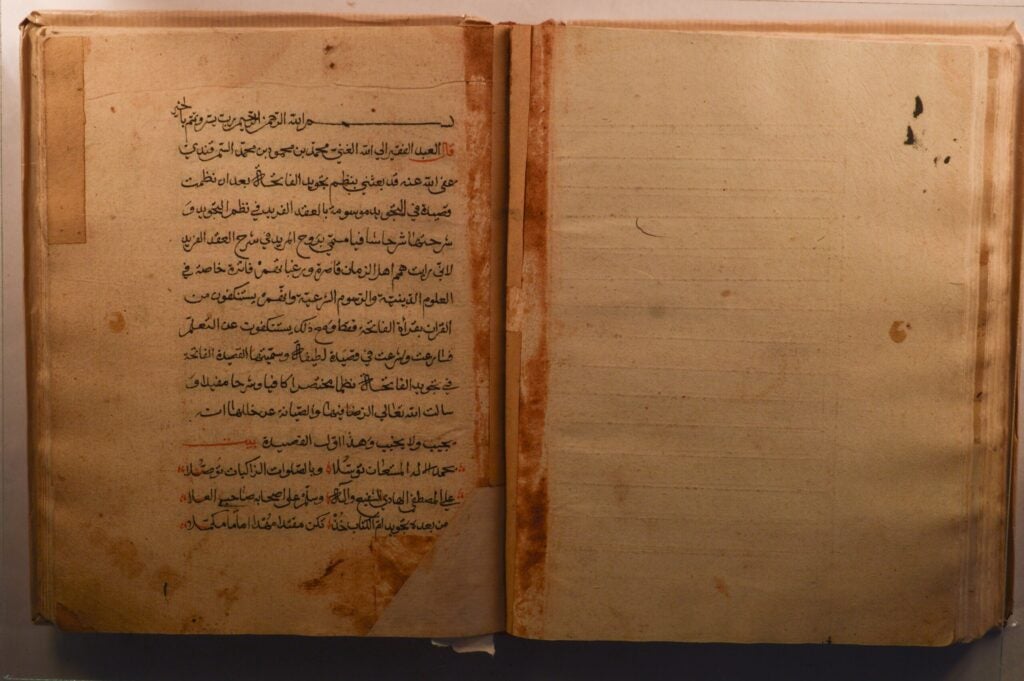
Through this didactic poem, the author provides a comprehensive exegesis of Sūrah al-Fātiḥah, uniquely synthesizing the phonetic articulation of its letters (makhārij al-ḥurūf) with an exploration of its profound hermeneutical dimensions. The poem examines the precise points of articulation for each letter within the sacred chapter, linking correct pronunciation to deeper spiritual interpretation. This integration of phonetics and exegesis reflects a methodological approach in which outward recitation and inward meaning are treated as inseparable. For researchers, this work offers a distinctive contribution to the Qur’anic sciences, demonstrating how the physical production of sacred sound through proper articulation (tajwīd) opens access to esoteric layers of understanding. The poetic format renders complex technical material accessible while reinforcing the unity of form and content. Persian descriptions are followed in f. 170r.
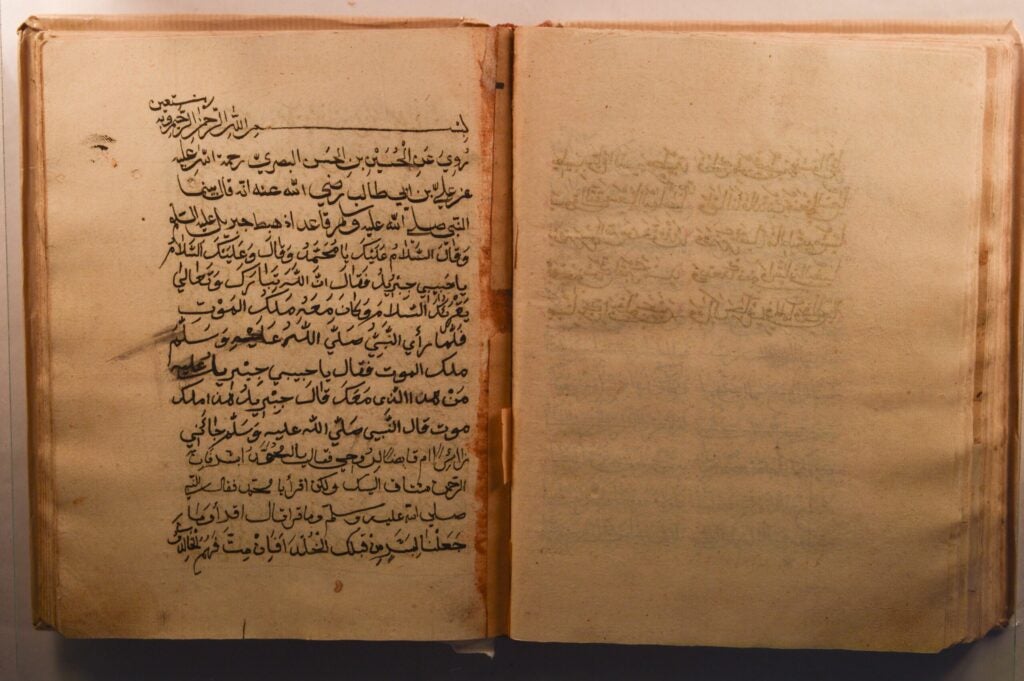
This work is a thematic compendium of Prophetic traditions (ḥadīth) centered on eschatological themes and the ontological reality of al-Mawt (death). It assembles a specific corpus of narrations that delineate the transition from the temporal world to the hereafter. The text systematically presents traditions describing the moment of death, the state of the soul after separation from the body, and the events of the grave. It further explores the signs of the Hour, resurrection, judgment, and the final abodes of Paradise and Hell. For researchers, this compendium serves as a focused reference for understanding Islamic eschatology as transmitted through authentic prophetic sources, offering a coherent narrative of life’s end and what follows.
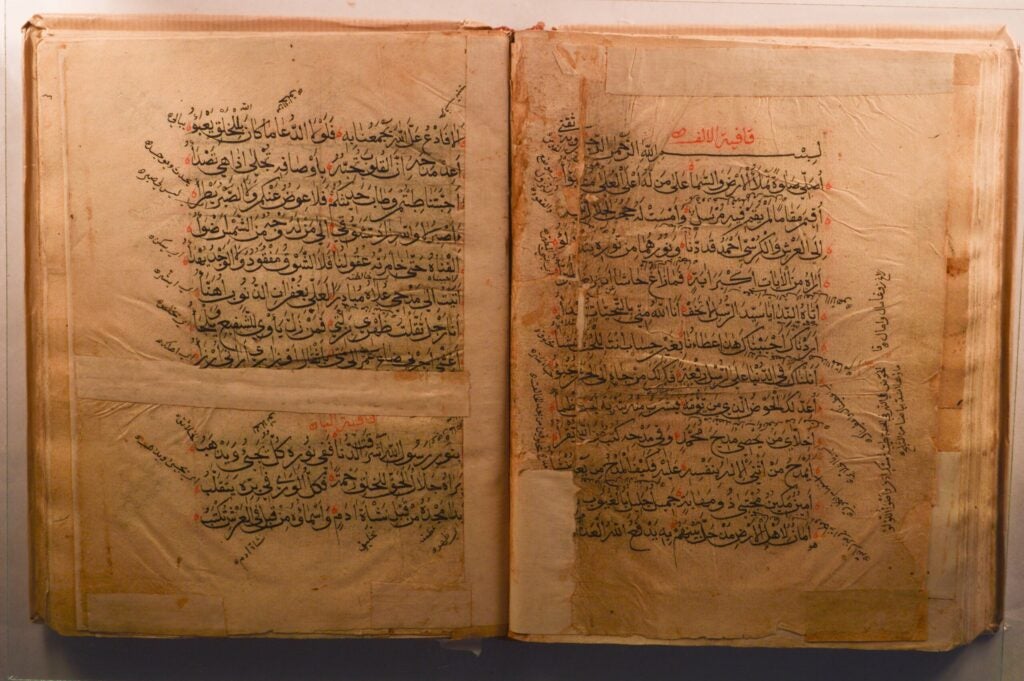
This collection comprises a series of abecedarian panegyrics dedicated to the Prophet Muhammad. The work is systematically structured according to the Arabic alphabet, with each poem corresponding to a successive letter from Alif to Yāʼ. This organizational scheme provides a mnemonic framework, guiding the reader through praise of the Prophet’s virtues, character, and spiritual station while adhering to the formal constraint of alphabetical ordering. For researchers, the collection exemplifies the intersection of devotional poetry and linguistic artistry in Islamic literary traditions. The abecedarian structure demonstrates how formal poetic devices serve both aesthetic and pedagogical functions, transforming praise of the Prophet into a memorisable, alphabetically sequenced liturgical anthology.
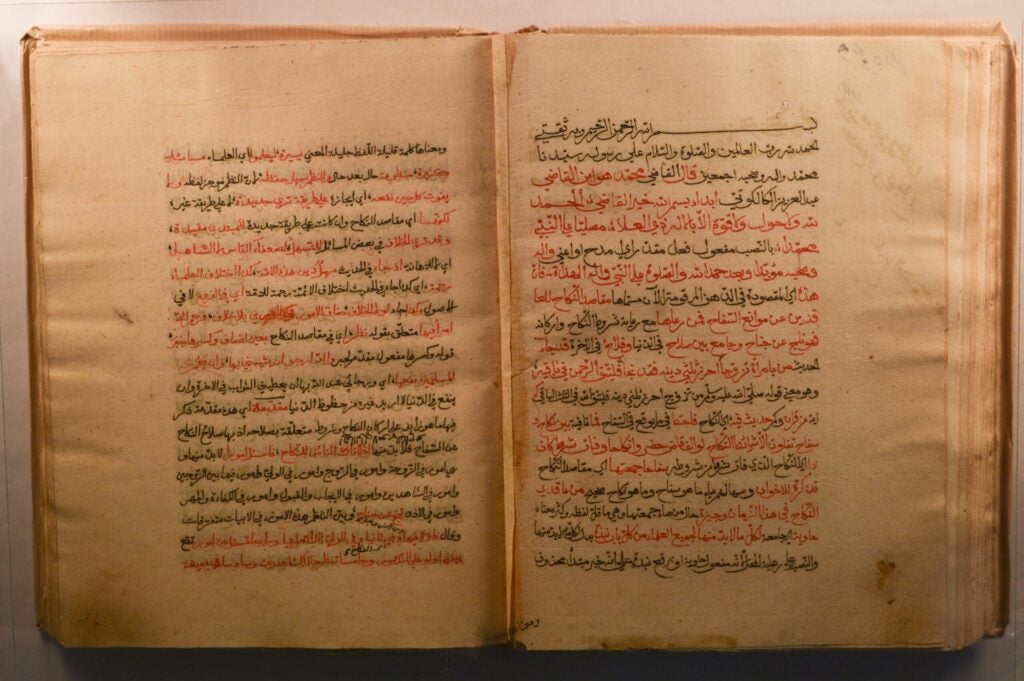
This manuscript offers a rigorous examination of the institution of al-nikāḥ (marriage), delineating its maqāṣid (teleological objectives), its aḥkām (jurisprudential frameworks), and the complex socio-legal questions associated with matrimonial practice. The text explores the underlying purposes of marriage, such as fostering companionship, preserving lineage, and achieving spiritual tranquility. It further outlines the legal rulings that govern the validity, rights, and responsibilities of the marital contract. Additionally, the manuscript addresses intricate socio-legal issues arising in practice, including disputes, financial arrangements, and dissolution procedures. For researchers, this work provides a structured analysis of marriage as both a sacred bond and a legally regulated social institution.