In the meantime, look back on our Inaugural Edition in June 2026 below
The ARI-Luce Southeast Asian Studies Collaboratory: Next Generation Scholars
Inaugural Edition, June 2026
Painting by I Dewa Gde Raka Turas (1977-1993)
The ARI-Luce Southeast Asian Studies Collaboratory: Next Generation Scholars is hosted
by the Asia Research Institute, National University of Singapore, and supported by the Henry Luce Foundation
The ARI-Luce Southeast Asian Studies Collaboratory has concluded its Inaugural Edition in June 2026
Introducing the
2026 Senior Scholar-Mentors
Painting of the Departure of King Thibaw and Queen Supayalat
from Mandalay at the end of the third Anglo-Burmese war in 1885,
Unknown artist but probably Burmese, ca. 1885
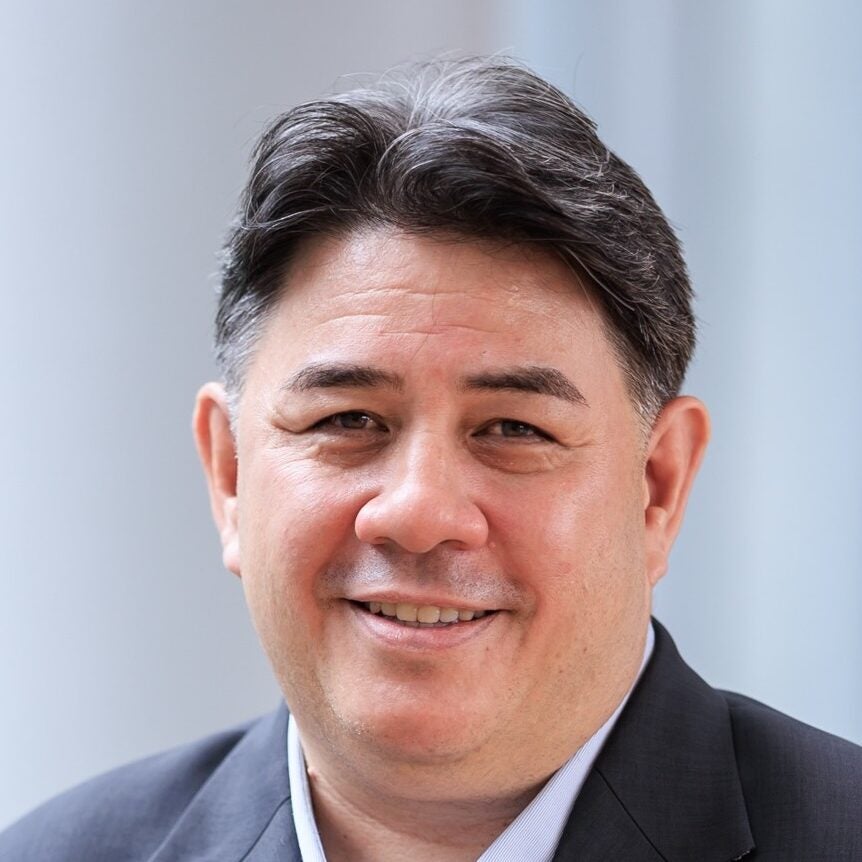
Maitrii Victoriano
Aung-Thwin
Associate Professor
Department of History and
Department of Southeast Asian Studies,
Faculty of Social Sciences,
National University of Singapore
Deputy Director
Asia Research Institute,
National University of Singapore
Colonial, Post-Colonial Myanmar
Southeast Asian History
Maitrii V. Aung-Thwin is Associate Professor of Myanmar/Southeast Asian history and Convener of the Comparative Asian Studies PhD Program at the National University of Singapore. His research is concerned with nation-building, law, knowledge production, and resistance in Asia. His publications include: A History of Myanmar since Ancient Times: Traditions and Transformations (2013), The Return of the Galon King: History, Law, and Rebellion in Colonial Burma (2011), and A New History of Southeast Asia (2010).
He was the Editor of the Journal of Southeast Asian Studies (2017-2025). He also served the Association for Asian Studies in several capacities, including Chair of the Burmese Group and Chair of the Southeast Asia Council. He is currently the incoming President of the Burma Studies Foundation (USA), Board Member of the SEASREP Foundation, and Deputy Director of the Asia Research Institute (NUS). He has held research grants from the Ministry of Education (Singapore), Japan Foundation, and the Henry Luce Foundation.
What are your thoughts on the challenges early-career scholars face today?
Do you have any advice or tips?
What do you hope for them?
Challenges
Transitioning from the focus of a dissertation project to developing and sustaining a research agenda.
Balancing productivity with intellectual depth.
Managing time: negotiating research, teaching, service, growth.
Developing and sustaining relationships across long academic timelines.
Imagining success within and outside academia.
Translating scholarly practice into multiple career languages understood by different sectors.
Building reputation, visibility; remaining intellectually grounded.
Managing career uncertainty; maintaining personal stability.
Tips
Build a portfolio (of skills, competencies, experiences, expertise) rather than a single ladder.
Develop an ongoing narrative of your skills for different audiences.
Sustain intellectual growth regardless of job title.
Invest in relationships across sectors.
Recognise that career pathways are non-linear and ongoing.
Build multiple forms of professional capital (intellectual, social, institutional, reputational, translational).
Learn to periodically reposition yourself.
Develop practices of reflection and feedback.
Book cover image of Lisandro Claudio's book, The Profligate Colonial:
How the U.S. Exported Austerity Through the Philippines, 1902-1986 (2025)
Lisandro E. Claudio is Associate Professor of South and Southeast Asian Studies at UC Berkeley, where he also chairs the Center for Southeast Asia Studies — one of the oldest Southeast Asian area studies centers in the United States. In this role, he coordinates cross-campus collaboration among Southeast Asianists and oversees initiatives enabling graduate research. Before Berkeley, he taught at Ateneo de Manila University and De La Salle University, and held a postdoctoral fellowship at Kyoto University's Center for Southeast Asian Studies.
He is an intellectual and cultural historian whose work examines liberalism, nationalism, and decolonization in Southeast Asia. His book Liberalism and the Postcolony: Thinking the State in Twentieth-Century Philippines received the 2019 George McT. Kahin Prize from the Association of Asian Studies and the 2019 EuroSEAS Humanities Book Prize. His latest book, The Profligate Colonial: How the U.S. Exported Austerity Through the Philippines, 1902–1986 (Cornell University Press, 2025), traces the historical and cultural roots of economic conservatism in the Philippines through textual and interdisciplinary methods.
Beyond academia, Claudio has contributed to Philippine public discourse through writing for Rappler and Esquire Magazine, a collection of popular essays (Basagan ng Trip, Anvil, 2016), hosting a public history web show, and co-hosting a civics podcast and cable television program.
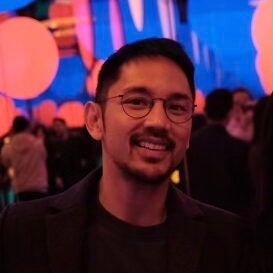
Lisandro E. Claudio
Associate Professor
Department of South
and Southeast Asian Studies,
University of California, Berkeley
Chair
Center for Southeast Asia,
University of California, Berkeley
Philippine History
Southeast Asian Studies
What are your thoughts on the challenges early-career scholars face today?
Do you have any advice or tips?
What do you hope for them?
Write for an audience.
A scene in the Bac Ninh campaign, fought between France and China over northern Vietnam, 1884.
Prints, Drawings and Watercolors from the Anne S.K. Brown Military Collection.
Brown Digital Repository. Brown University Library.

George E. Dutton
Professor
Asian Languages and Culture,
University of California, Los Angeles
Chair
Southeast Asian Council
& Benda Book Prize Committee,
Association for Asian Studies
Social and Literary History
Vietnam
George E. Dutton is Professor of Vietnamese History and Southeast Asian Studies at UCLA. He completed my Ph.D. in History at the University of Washington (Seattle) after an M.A. degree in International Relations at Yale University. As an undergraduate, Dutton also spent a year studying at NUS (1987-88). He did graduate coursework with Ben Kiernan and James Scott at Yale, and studied with Laurie Sears, Christoph Giebel, and Dan Lev at UW. He has written books on early modern Vietnamese history and edited several volumes on Southeast Asian literary and historical texts, including Sources of Vietnamese Tradition, the most comprehensive anthology of Vietnamese primary documents in English translation.
Dutton's teaching interests, in addition to Vietnamese history, include contemporary Southeast Asian religion and society, upland ethnic minorities in mainland Southeast Asia, and modern Southeast Asian literature.
He served two terms as the Director of the UCLA Center for Southeast Asian Studies and as Vice Chair for my home department. He has also served as Chair of the Steering Committee for the Consortium for Graduate Education and Training on Southeast Asia (GETSEA) of which he was a founding member. Dutton has served as Chair of the AAS Southeast Asia Council, where he is currently serving a second term and has also served on the AAS Program Committee. He is currently serving as Chair of the AAS Benda Book Prize Committee.
What are your thoughts on the challenges early-career scholars face today?
Do you have any advice or tips?
What do you hope for them?
Big pressures include developing new courses often with intense time pressures, settling into new work environments, balancing research and writing with other expectations for career advancement.
A few tips are making an effort to get along with everyone in your academic environment, not just fellow instructors (of whatever rank), but also staff, and TA’s.
Trying to find a healthy work-life balance is also key. Yes, you are busy and face a lot of pressure, but you need to have a way to relax and recharge (find a hobby, exercise, read for pleasure) to avoid burning out.
Don’t compare yourself with others all the time – focus on yourself and what you can do. Everyone’s trajectory is different, and everyone’s timetable is different as well. Some might be able to crank out five articles a year and a book every other year. If that’s not you, that’s OK.
And finally, research and teach what genuinely interests you, what you have a passion for. Don’t just chase the latest shiny topic because you feel like you have to. There’s a place for even the most niche topics if you work to convey your passion for it on the page and in the classroom.
A Siamese Theatre group at Kuala Lebir, Malaysia, July 1909
The National Archives, CO 1069/494
Mala Rajo Sathian is Senior Lecturer in the Department of Southeast Asian Studies, Universiti Malaya, where she previously held the position of Head of Department. She has been involved in the BA and MA Southeast Asian Studies curriculum development at her university. She promotes internationalization of the SEAS program through outbound and inbound mobility and enrichment programs to strengthen student numbers and visibility. She initiated the first International Conference on SEA (ICONSEA) in the region, in 2005, that remains a vital platform for emerging scholarship on the region. She is also a Board member of the Southeast AsianStudies Regional Exchange Program (SEASREP) and the Consortium for Southeast Asian Studies in Asia (SEASIA); encouraging networking among Southeast Asian Studies scholars in the region. She has collaborated with Thai scholars from “provincial” universities and grassroots communities in south Thailand on Women, Peace and Security (WPS) and peace building projects.
Her research and publications relate to Thailand, focusing on Patani Malay Muslims in south Thailand, concerning identity, conflict, governance, human rights and public history. She has conducted archival and field research in northern, central and southern Thailand and more recently in the Thai-Malaysia border region, focusing on ethnic Thai in northern Malaysia and Malaysia-Thai relations. She has also published on Indian minorities in Malaysia and on methodologies and approaches to Southeast Asian Studies. Her book: Siamese in Malaysiawas published in 2018 and her articles have appeared in the Public Historian, Asian Studies Review, Sojourn, Asian Affairs, JATI and Suvannabhumi.
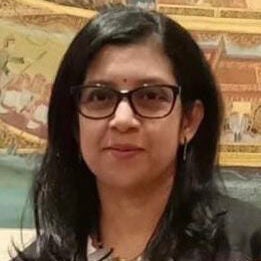
Mala Rajo Sathian
Senior Lecturer
Department of Southeast Asian Studies,
Universiti Malaya
Board Member
Southeast Asian Studies
Regional Exchange Program
Board Member
Consortium for Southeast
Asian Studies in Asia
Thailand, South Thailand
Ethnic Minorities
What are your thoughts on the challenges early-career scholars face today?
Do you have any advice or tips?
What do you hope for them?
Challenges
Blending your training/scholarship within local contexts, concepts and a wider SEA. Students tend to understand the region from their own country perspective.
Transitioning from inter-disciplinary research to interdisciplinary teaching. The “fortress” syndrome in Southeast Asian Studies; where modules on a wide range of topics are anchored and taught within the department rather than engaging cross-department/discipline.
Navigating top-down ‘censorship’ when writing on sensitive, marginalised, provincialised communities/issues.
Tips
Go beyond one country focus, adapt critique through engaging with local scholarship.
Gain knowledge of a Southeast Asian country, other than your own.
Be a voice for the silenced and marginalised, negotiate state/institutional censorship through moral/cultural lens to “vernacularise” ideas/practices.
Support local journals (many are indexed!), conferences and student mobility programs.
Don’t work/suffer in “silo”. Reach out for collaboration, clusters, networking.
A temple at Angkor Wat, Cambodia
Photograph courtesy of James Wheeler / Unsplash

Miriam T. Stark
Professor
Anthropology,
University of Hawai'i at Mānoa
Director
Center for Southeast Asian Studies,
University of Hawai'i at Mānoa
Archaeology
Anthropology
Miriam T. Stark has conducted research in Southeast Asia for nearly four decades, beginning in the Philippine Cordilleras and, since 1996, in Cambodia’s Lower Mekong Basin. Her archaeological work focuses on the political ecology of urbanism, landscape-based research, and early state formation. She currently leads four collaborative, field-based archaeological projects across Cambodia and directs the LuceSEA Environmental Transitions: Environment, Society, and Change initiative, which aims to strengthen Southeast Asia–based research capacity on agrarian transitions across the region. Both in her own scholarship and in the Luce-funded initiative, Stark works closely with Southeast Asian colleagues and integrates mentorship into all aspects of her research activities.
Publishing in both academic and public-facing venues—from technical reports to magazine articles—has been central to Stark’s career since graduate school. She has edited or co-edited several scholarly volumes with major academic presses, authored more than 100 peer-reviewed articles and publications, and held editorial positions with 15 academic journals. She also serves on the editorial board of the Cambridge University Press World Archaeology book series. Her recent publications explore topics ranging from ceramic studies and Angkorian citizenship to the influence of James Scott’s ideas on Southeast Asian archaeology. In 2023, she co-edited The Angkorian World (Routledge). Stark is equally committed to professional service, having served on committees and boards for numerous national and international organizations, as well as directing her university’s Center for Southeast Asian Studies for eight years. She currently serves on the U.S. State Department’s Cultural Property Advisory Committee.
What are your thoughts on the challenges early-career scholars face today?
Do you have any advice or tips?
What do you hope for them?
Challenges
Developing your own scholarly voice that carries authority without causing affronts. This takes courage, tact, and courage.
Publishing in peer-reviewed venues in English, which is difficult enough for Native English speakers and increasingly a requirement in Southeast Asia-based institutions.
Identifying frameworks that align with your interests and also reach beyond your own field.
Tips
Forging and nurturing a cohort of colleagues who read and comment honestly on each other’s work helps develop your own scholarly voice.
Taking advantage of every opportunity to strengthen your publishing skills (from workshops at your home institution to short-term training institutes) will increase your confidence and productivity.
Reading widely and participating in transdisciplinary (from conferences to seminars) exposes you to a broader range of issues and key ideas that are permeating Southeast Asian Studies.
From left to right:
A map of Siam during the reign of King Rama V, Shuuranattha "Caphtaain" Ashvajayajita;
Map of the Kingdom of Siam and its dependencies, James McCarthy, 1990;
Coloured version of the Map of the History of Thailand's Boundary,
published 1940 by the Royal Survey Department
At the University of Wisconsin-Madison, Thongchai Winichakul enjoyed the communities both at History Department and at the Centerfor Southeast Asian Studies where he was its director in 1997-1999. He is also a co-editor of Southeast Asia series, U Wisconsin Press (2003-2016). For the broader academic community, he serves in editorial boards of many journals, and regularly reviews manuscripts for journals and publishers. He served in the Association of Asian Studies (AAS) in various roles: Southeast Asia Council, the Benda and Kahin prize committees, program committees, the AAS executive board, and was its President in 2013/2014 when, in partnership with ARI, the first AAS-in-Asia took place at the NUS.
He was a fellow at ARI in 2010-12 (plotting a book), at Kyoto-CSEAS and Yusof Ishak-ISEAS in 2015 (continue plotting), and at IDE-JETRO in 2017-19 (finishing it). Apart from dozens of articles, he published only two monographs in English: the first one based on his thesis, Siam Mapped (awarded the Harry Benda Prize,1995), and Moments of Silence: Unforgetting of the October 1976, Massacre in Bangkok (awarded the EUROSEAS Humanities prize, 2022, and Kahin Prize, 2023). He was also honored by the prestigious Guggenheim (1994) and the Fukuoka (2023) awards.
Thongchai’s interests are in the intellectual foundations of modern Siam under colonial conditions (1880s-1930s). Throughout his career, while one foot is in the ivory tower, his other foot has never left the streets in Thailand. He has published eight books and several articles in Thai and is a vocal critic of Thai political and social issues.
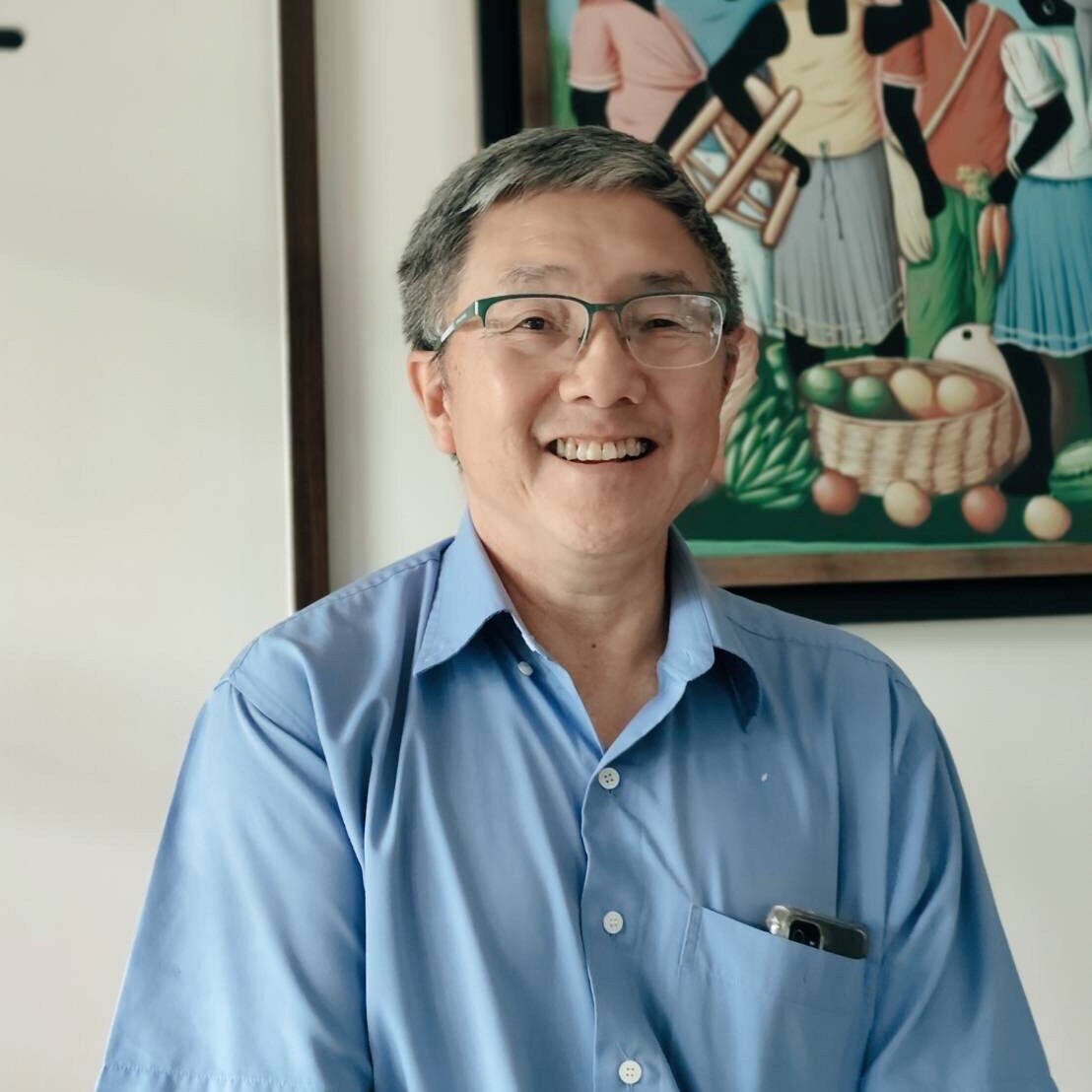
Thongchai Winichakul
Emeritus Professor of History
University of Wisconsin-Madison
Visiting Professor
Thammasat University
Thailand
Southeast Asian History
What are your thoughts on the challenges early-career scholars face today?
Do you have any advice or tips?
What do you hope for them?
The pressures in academic career are “front-loaded” even though the actual amount of work is heavier later on. Fortunately, we let them in as much as they are imposed on us; that is to say, it depends on how we manage life and career.
For those from non-West countries, especially the non-native English speakers, the prospect in the global academia may seems beyond thereach. As a matter of fact, brain cells know no bound. It depends on how we cultivate them.
Guest Speaker

Moe Thuzar
Senior Fellow and
Coordinator of Myanmar Studies Programme
ISEAS – Yusof Ishak Institute
History
Southeast Asia / ASEAN
Moe Thuzar is a Senior Fellow at the ISEAS-Yusof Ishak Institute, where she coordinates its Myanmar Studies Programme. Moe joined ISEAS in 2008, as lead researcher in the ASEAN Studies Centre up to August 2019. Prior to joining ISEAS, Moe spent ten years at the ASEAN Secretariat, where she headed the Human Development Unit from 2004 to 2007. A former diplomat, she researched Burma’s foreign policy implementation (1948-88), for her PhD at the National University of Singapore. Moe was a Fox International Fellow (2019-2020) at Yale University’s MacMillan Center during her PhD candidacy. Her research interests include Myanmar’s foreign policy, ASEAN integration impacts and issues (socio-cultural areas) and ASEAN’s dialogue relations. Moe has co-authored, co-edited, and contributed to several compendia and edited volumes on ASEAN, and on Myanmar.
Academy Sessions
Confessions of an Ambitious Scholar who Lacks Some Crucial Academic Skills
Thongchai Winichakul
Emeritus Professor, University of Wisconsin-Madison
Visiting Professor, Thammasat University
In this talk, I would like to indulge in the story of early years of my career. It is a “confession” since people may not expect to hear this candid story.
I ambitiously wanted to upend the conventional historical ideology because, in my view, it is flawed and oppressive. I need to engage not only with the Thai but also with global scholarship about Thai history. But my English was … not good; my reading slow; my writing …umm… “uniquely non-native”. How to overcome those deficits and thrive in the career of letters?
Language is a key to new ideas, concepts and the reframing of history. Alternative history is possible via language. Nonetheless, the counter-history can be advanced despite limited language competence. Intellectual capability––relentless questioning, rigorous criticism, hunger to learn, “wild” imaginations and so on––and the breadth of learning across the regions, subjects, and disciplines, are also keys to good scholarship.
Throughout my career, nonetheless, there are limits on what I can do. Knowing what I can do better and otherwise, guides my efforts in certain directions while keeps arrogance in check.
Thoughts on Pedagogy: Teaching for your Students and Yourself
George E. Dutton
Professor, University of California, Los Angeles
Chair, Association of Asian Studies (AAS) Southeast Asia Council and AAS Benda Book Prize Committee
This seminar on pedagogy will get attendees to think about course development, classroom strategies and forms of student engagement. I entered academia with almost no real training in how to teach, and have had to learn through doing and observing my colleagues. My presentation shares what I’ve learned over the past quarter century of classroom instruction. I emphasize an engaged and interactive classroom, in which learning is more dialogic and less about unidirectional lecturing. I believe that the best learning emerges from frequent engagement between students and instructor, and between students among themselves. I also encourage instructors to lean into their broader Southeast Asian training to teach courses outside of their particular disciplinary training. Each of these strategies and pedagogical trajectories can lead to a more rewarding and personally enriching career as a teacher.
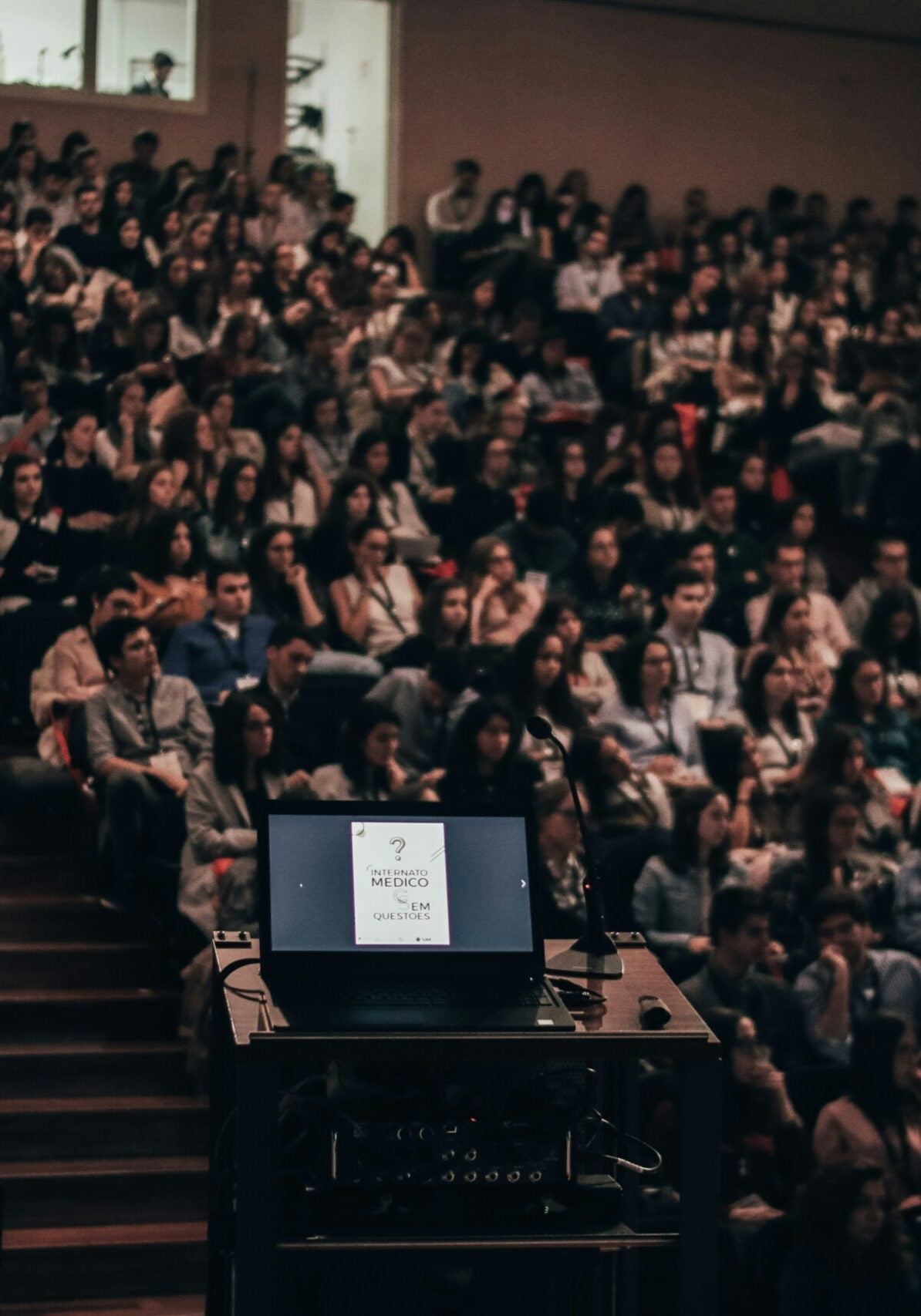

Academic Publishing Without Tears? Tips for Success in the Academic Publishing World
Miriam Stark
Professor, University of Hawai'i at Manoa
Publishing our research is integral to the academic world, and one’s ability to convey research results in writing can determine one’s future career. Yet few graduate programs provide adequate guidance on how the process works, and fewer still require PhD students to learn the process before they graduate through completing one or more academic publications. This session is designed to help you understand the process involved in publishing your work in academic settings: as book chapters, as journal articles, and as monographs.
Embedded Knowledge, Accessible Prose: Why Area Studies Needs Lucid Writers
Lisandro E. Claudio
Associate Professor, University of California, Berkeley
The literary modernism of the late 19th-century/early 20th-century, per John Carey, was elitist. Through their opaque prose, modernists sought to signal their superiority to a newly literate mass public. Today, explains Terry Eagleton, “Theory” has become a form of modernism.
As with the earlier literary modernism, I contend that much “theoretically informed writing” is equally elitist. Worse, it is hypocritical, as “Theory” often claims to speak for the marginalized. Yet much of this prose is disconnected from both grounded facts and defined audiences.
One solution is area studies. Writing about a definite place with real people provides area studies scholars with facts to conjure worlds through words. Writing for a definite audience (those in the region and those who love the region) inoculates us against arrogant generalizations. It also makes us accountable for what we say. And, if, as Orwell argued, totalitarianism emerges amid obfuscation, lucidity becomes a moral imperative during periods of emergent fascism.
In this session, I not only argue for the ethics of plain language. I also discuss practical ways for scholars of Southeast Asian studies (and area studies more broadly) to cultivate a voice that is always public-facing—for what writing has no public? I share my experiences writing for both academic and popular presses—scholarly journals and lifestyle magazines.

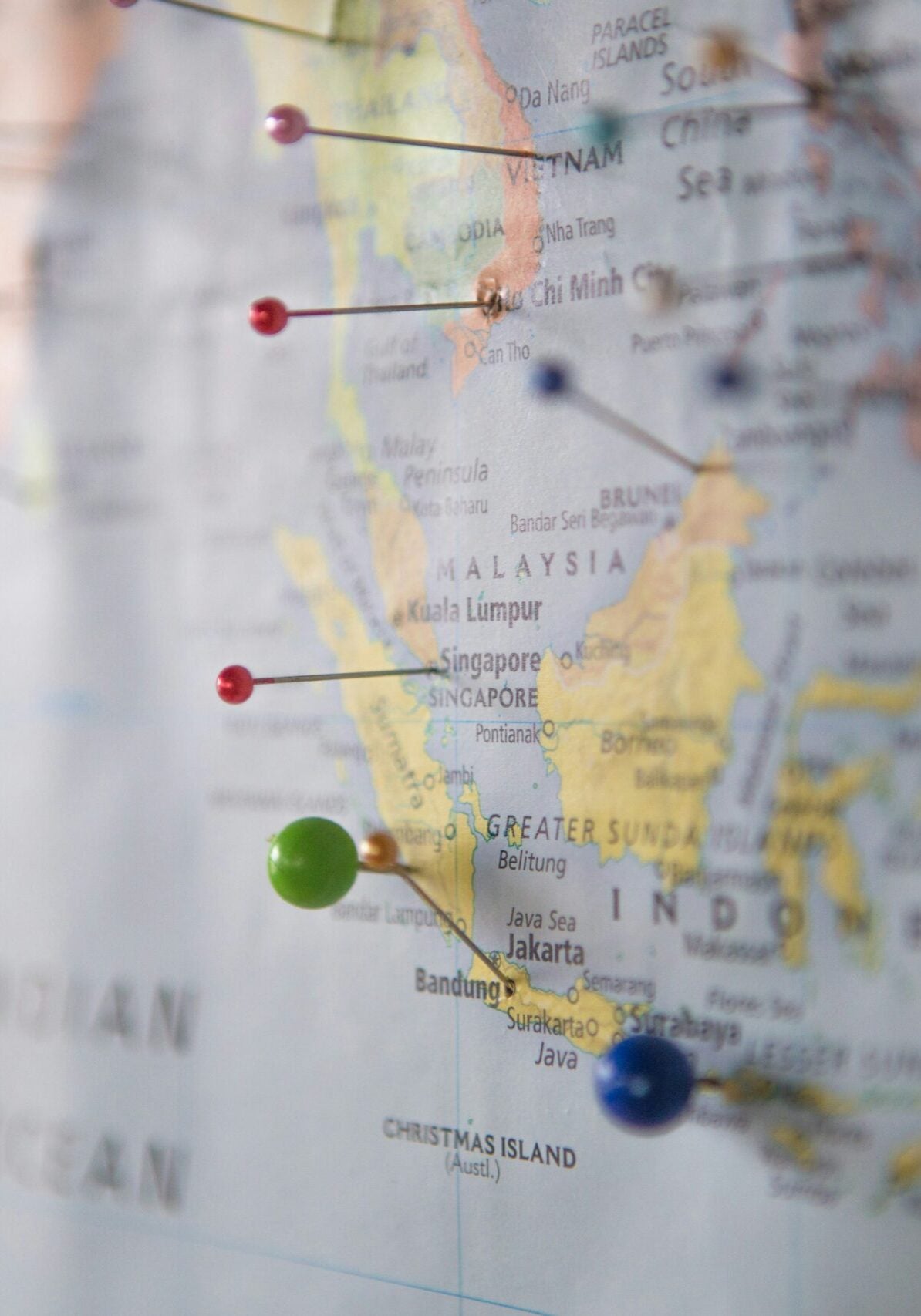
Enriching SEAS through “Region-Appropriate” Context
Mala Rajo Sathian
Senior Lecturer, Universiti Malaya
Founding Coordinator, Thai Studies Program, Universiti Malaya
Transitioning from research to teaching in area studies can be challenging. While most of us have expertise in one country, modules in SEAS programs are broad, encompassing the entire region. There is also a disconnect between multidisciplinary research anddepartment/discipline-based teaching, where modules on a wide range of topics are anchored and taught within the department rather than engaging cross-department/discipline.
Then there is the issue of critique and theory building; the lack of “robustness” in SEAS in the region. Other concerns such as declining student numbers, employability scores of BA SEAS graduates and sustainability indexes –– all impact our contracts, position, career. Similarly, publishing in indexed journals, while maintaining local vernacular/national language journals and “censorship” of what can be researched/published, getting research consent and ethics clearance- all add to the problem.
How do we navigate these? I hope to share my personal experiences teaching in and managing the Dept of SEAS, UM––the oldest in the region, but frequently challenged with threats of merger and closure––and offer some ways to sustain and enrich area studies in the region.
How to Develop a Research Proposal
Maitrii V. Aung-Thwin
Associate Professor, National University of Singapore
Deputy Director, Asia Research Institute
Developing a compelling research proposal is a critical milestone in the transition from doctoral training to independent scholarship. While the PhD dissertation demonstrates the capacity to conduct original research, the postdoctoral stage requires scholars to articulate where their research goes next: identifying new questions, refining intellectual interventions, and translating emerging ideas into coherent and sustainable programmes of inquiry.
Within Southeast Asian Studies, where scholarship increasingly traverses disciplinary boundaries, engages comparative and transregional perspectives, and responds to evolving methodological and conceptual debates, research proposals play a central role in shaping future scholarly trajectories. Beyond serving as applications for grants or fellowships, proposals function as intellectual roadmaps that communicate the originality, significance, feasibility, and broader contribution of a research agenda. This presentation approaches the research proposal not simply as a technical document, but as a strategic exercise in scholarly positioning and intellectual development.
Drawing on examples and practices from academic research environments, it reflects on how postdoctoral researchers can move beyond the dissertation to formulate persuasive research questions, identify meaningful interventions in existing scholarship, align conceptual and methodological approaches, and communicate future directions for research.
Situated within the ARI–Luce Collaboratory’s commitment to supporting emerging scholarly agendas and intellectual exchange, this presentation invites participants to consider proposal development as a process of transforming ideas into focused, fundable, publishable, and sustainable programmes of research within and beyond Southeast Asian Studies.

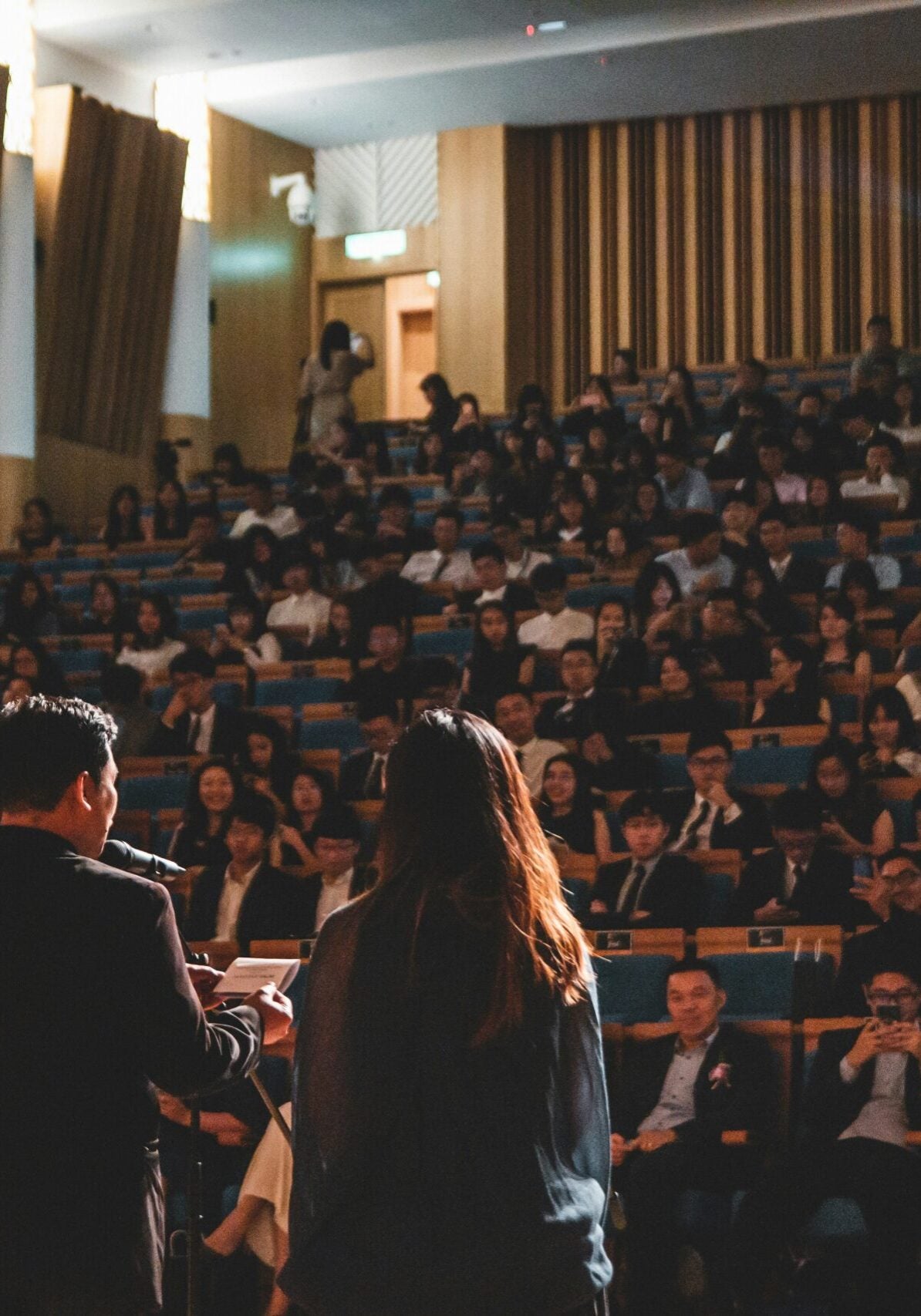
Sharing Your Research: Reaching and Informing Policy
Moe Thuzar
Senior Fellow, ISEAS-Yusof Ishak Institute
How can our research findings and analyses better inform non-academic policy-oriented audiences? How can/do scholars and researchers translate academic findings into policy-relevant voices? This session will share personal insights into navigating the policy-making landscape in this region (and beyond), the value of workshops/seminars/panels for this, and practical experience in framing complex, context-heavy qualitative and quantitative data into concise policy briefs and media comments.
Roundtable
The Craft of Scholarly Writing: Challenges, Strategies, and the Long Work of the Page
Maitrii V. Aung-Thwin, George E. Dutton, Lisandro E. Claudio, Mala Rajo Sathian, Miriam T. Stark, and
Thongchai Winichakul
Writing is the primary medium through which scholarly knowledge is produced, evaluated, and disseminated, yet the craft of academic writing—and the difficulties inherent to it––remains under-addressed in the formal training of researchers. This roundtable convenes senior scholars from across the social sciences to discuss their own writing practices and to offer practical, experience-based counsel to early-career colleagues. Drawing on a range of writing contexts (including journal articles, monographs, and dissertations), panellists will address the obstacles that writers at every stage encounter and the concrete approaches they have developed to overcome them.
The session welcomes open dialogue and aims to equip participants with both strategies and a sense of solidarity in the shared challenges of academic writing.

Roundtable
The Hidden Curriculum of the Job Market
Maitrii V. Aung-Thwin, George E. Dutton, Lisandro E. Claudio, Mala Rajo Sathian, Miriam T. Stark, and
Thongchai Winichakul
Much of what determines success on the academic job market in the social sciences remains unwritten—tacit knowledge passed informally among colleagues or learned through costly trial and error. This roundtable makes that hidden curriculum visible. Senior scholars will draw on their experience as both candidates and hiring committee members to offer frank, practical guidance on preparing a competitive dossier, approaching interviews with confidence, navigating the conventions of the campus visit, and presenting oneself and one's research in ways that resonate with departmental search committees.
The session invites early-career scholars to engage directly with panellists in a candid, collegial exchange aimed at demystifying the hiring process and equipping participants with actionable strategies for the market.