
Our Collaboratory Scholars
Meet the Next
Generation
These 22 early-career scholars represent some of the most exciting new voices in Southeast Asian and Asian Studies. They come from different countries, disciplines, and intellectual traditions — working across history, politics, culture, society, and policy. What they share is a commitment to rigorous, regionally grounded research and a pivotal moment in their careers where the right support makes all the difference.
Hover and see where
our Scholars are from
Across the cohort, their disciplines reflect the full breadth of questions, places, and peoples that make Southeast Asia one of the most dynamic areas of scholarly inquiry today.
Anthropology History Urban Studies Migration
Islamic Studies Feminist Studies Performing Arts Diaspora Studies
Media Studies Asian/American Studies Literature Buddhist Studies
and more
Hover to see the Southeast Asian countries
our Scholars are focusing on
Introducing the
Inaugural 2026 Cohort
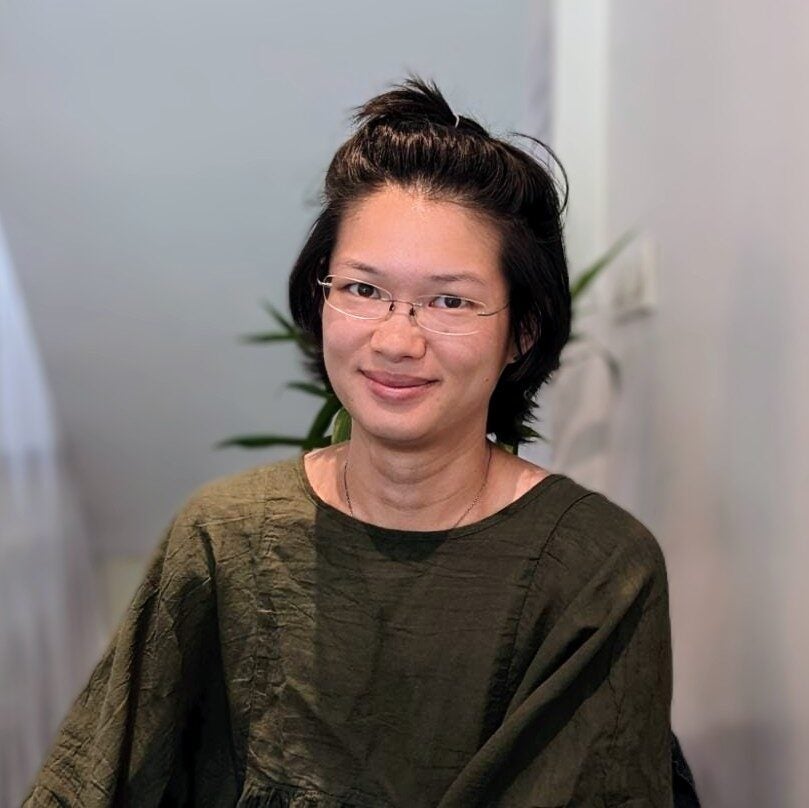
Jasmine An
Assistant Professor
Department of English,
University of Oregon
Poetry & Poetics
Southeast Asian Diaspora Literature
Jasmine N. An is poet-scholar and Assistant Professor of English at the University of Oregon. Her research traces the aesthetic strategies of contemporary, Southeast Asian, diasporic writers who poetically deform bureaucratic paperwork as a critique of US empire in Southeast Asia. Previously, she was an Assistant Professor of Literature at Fulbright University Vietnam in Ho Chi Minh City and a Research Fellow at Chiang Mai University in Thailand. Her debut poetry collection, Counterpoint, is forthcoming from Kelsey Street Press. More creative work can be found in journals such as Poetry Northwest, Waxwing, and Guesthouse, among others on her website.
How do poets recraft histories of empire and colonialism when they incorporate bureaucratic paperwork such as immigration court summons, birth certificate applications, and declassified military memos—paper facsimiles of empire itself—into their poetry?
An (she/her) is a Chinese-Indonesian poet-scholar from the United States. As a practicing poet, she is invested in the power of poetry to reimagine hegemonic cultural narratives.
Inspired by the vision of intercultural solidarity at the core of Asian American political consciousness, she studies how contemporary, Southeast Asian diasporic poets turn to innovative aesthetic techniques within their poetic practices to craft a shared critique of U.S. imperial designs in Southeast Asia and draw poetic connections between disparate yet resonant social and historical contexts that overflow the constraints of national borders.
Research presented at ARI’s 21st Singapore Graduate Forum on Southeast Asian Studies
“We Rescue a Hundred Whispers”: A Poetic Reanimation of Cold War archives in Mai Der Vang’s Yellow Rain
Southeast Asian Diasporic Poetry, Paperwork Poetics, Laotian Secret War, Cold War, Performance Studies, Yellow Rain

Left: A scan of Mai Der Vang’s poem “Arriving as Lost” in her book Yellow Rain
Right: An image of declassified documents related to the Yellow Rain chemical attacks in Laos
Mai Der Vang is a Hmong American poet
When you are immobile and liminal, how do you negotiate your participation in the music ecosystem as a migrant?
Carl (he/him) listened to music through cassette tapes that his dad sent to them from the Middle East as an Overseas Filipino Worker (OFW). Radio, cassette, and a beat-up guitar became his companions growing up in the small town of Aparri in the Philippines.
With his passion for music and curiosity to understand the lives of migrants, he analyses the experiences of Filipino migrants and musicians in Australia as they engage in music, labour, and everydayness. Through pakikipagkuwentuhan, pakikilahok, and pakikibahagi, he argues that Filipino migrants who are on temporary visas are delimited by their status and aspirations leading to restricted participation in the music industry. Nonetheless, they have opportunities to become part of the ecosystem through their networks, cultural belonging, and musical skills. Migrant musicality can then be leveraged to strengthen transregional cooperation––between Australia and Southeast Asia––through cultural and creative means.
Research presented at ARI’s 21st Singapore Graduate Forum on Southeast Asian Studies
Temporary Migrants as Transnational Musicians
Creative Economy, Migrant Musicians, Transregional Migration, Philippines, Australia-Southeast Asia Relations
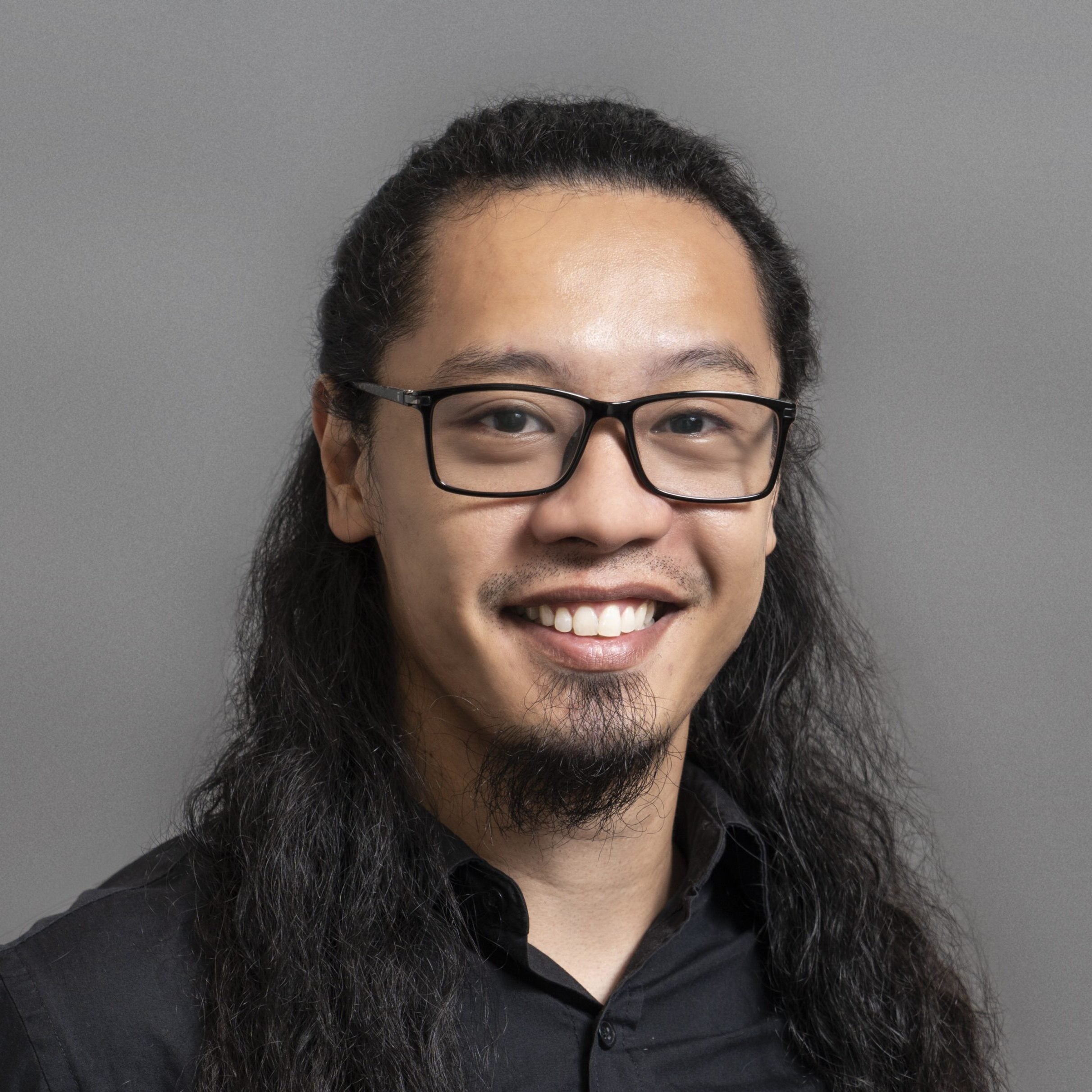
Carl Anacin
Researcher
Arts, Law & Education,
Griffith University
Migration
Cultural Sociology
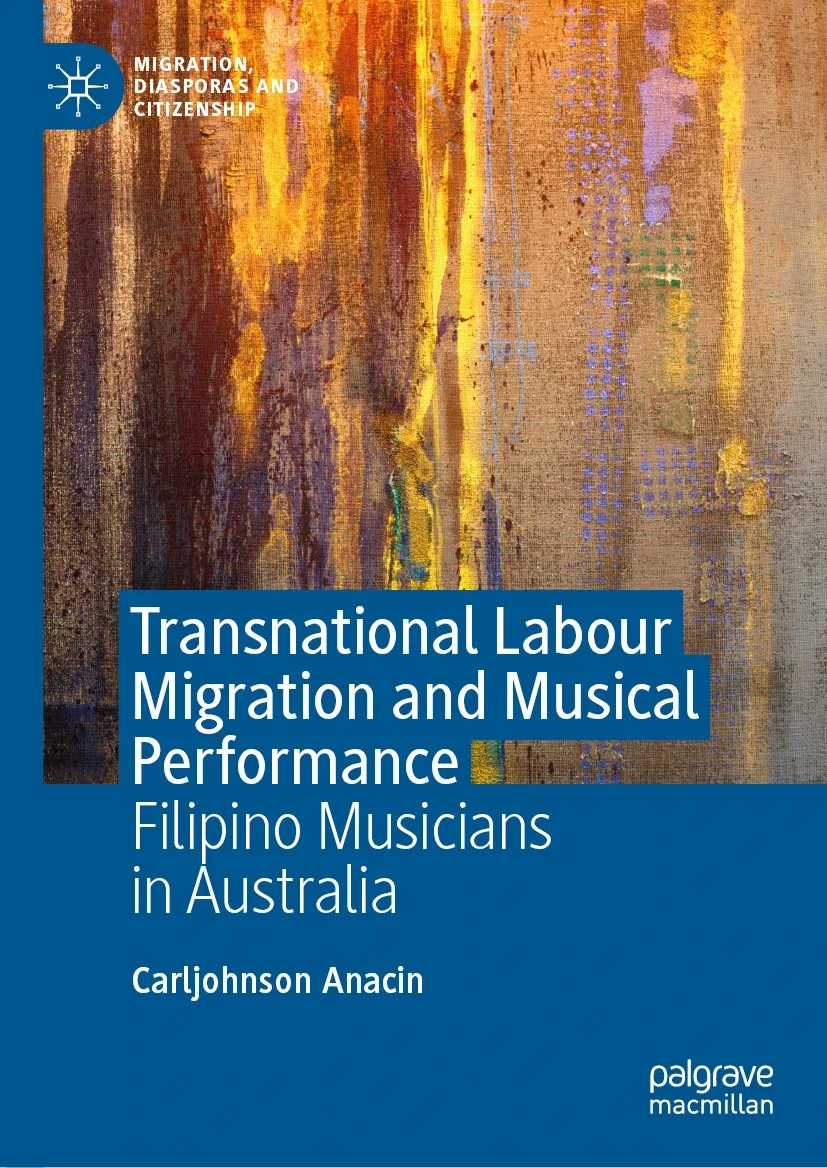
Carljohnson Anacin received his PhD (cultural sociology) at Griffith University with a thesis on Filipino migrant musicians’ identity, musicality and translocality. His research interests include music, migration, culture, and interdisciplinary studies. Carl is currently working on a collaborative project, Temporary Migrants as Transnational Musicians, funded by the ANU-Philippines Institute. He is also the State Library of Queensland 2025 Letty Katts Fellow and Co-convenor of The Australian Sociological Association Cultural Sociology Thematic Group. His recent publications include Transnational Labour Migration and Musical Performance: Filipino Musicians in Australia (Palgrave, 2026) and contributions in the Journal of InterculturalStudies (2025), and The Qualitative Report (2024). Carl is a practising musician (Nicky Anacin) and media correspondent.

Lisa Beyeler-Yvarra
Rome Prize Fellow
School of Architecture & Department of Religious Studies, Yale University
Architectural History and Theory
Religious Studies
Lisa Beyeler-Yvarra is an architectural and religious historian. A recent graduate of Yale University’s School of Architecture and Department of Religious Studies, Beyeler-Yvarra’s work explores how religious proprietary powers are operationalized in the built environments of postcolonial Southeast Asia, Oceania, and East Asia. Her dissertation, “New Dispensations: Catholic Property, Global Capital, and the Making of the Transpacific,” is a study of the spatial politics of Catholic institutions that mediate flows of capital in the Philippines, Guåhan-Guam, and Timor-Leste. It reimagines sacred space itself, exposing how it is mutually produced with nominally secular infrastructures of global commerce.
She will be commencing her new position as a Rome Prize Fellow at the American Academy in Rome in September.
As a landscape architect, Beyeler-Yvarra (she/her) recognized that religious proprietorship often functions as a hidden layer of urban governance. Now, tracing the spatial politics of the Catholic Church across the Philippines, Guåhan-Guam, and Timor-Leste, Beyeler-Yvarra explores how religious regimes of ownership predominate urban development in the Transpacific. Drawing on archival sources across nine languages and five countries, she studies the built environment as both a monument to the Church’s glory and an engine for the ongoing aggregation of ecclesial wealth.
Ultimately, Beyeler-Yvarra recasts sacred space as a proprietary technology of institutional finance, mutually produced with nominally secular infrastructures of global commerce.
Research presented at ARI’s 21st Singapore Graduate Forum on Southeast Asian Studies
Holy Dispossessions: Church, State, and Corporate Claims to Timor-Leste
Sacred Space, Catholicism, Dispossession, Speculative Architectures, Public-Private Infrastructure Projects, Petroleum
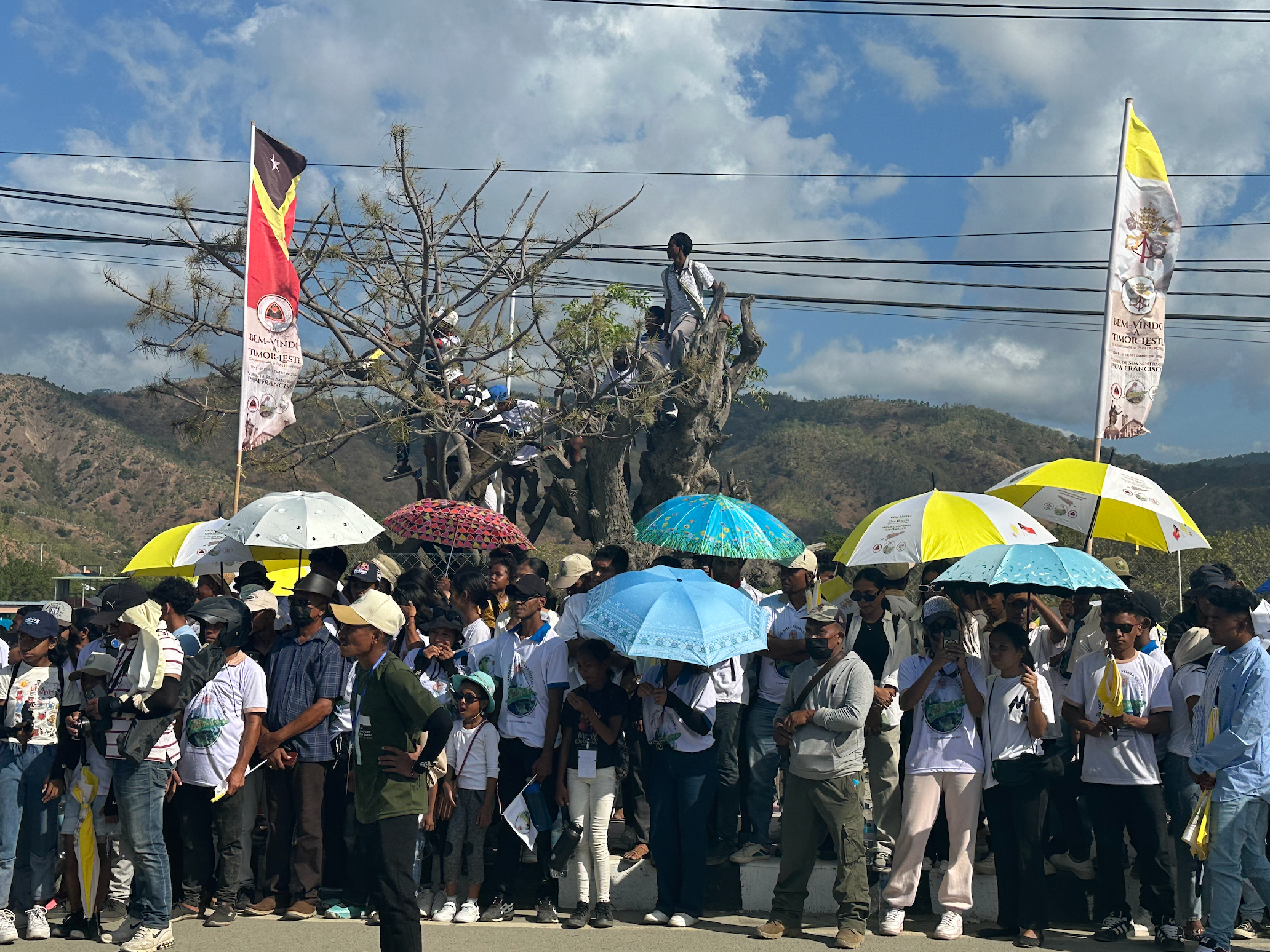
Waiting for Pope Francis' arrival along Avenida Presidente Nicolau Lobato, Tasitolu, Timor-Leste, September 10, 2024
Photograph courtesy of Lisa Beyeler-Yvarra

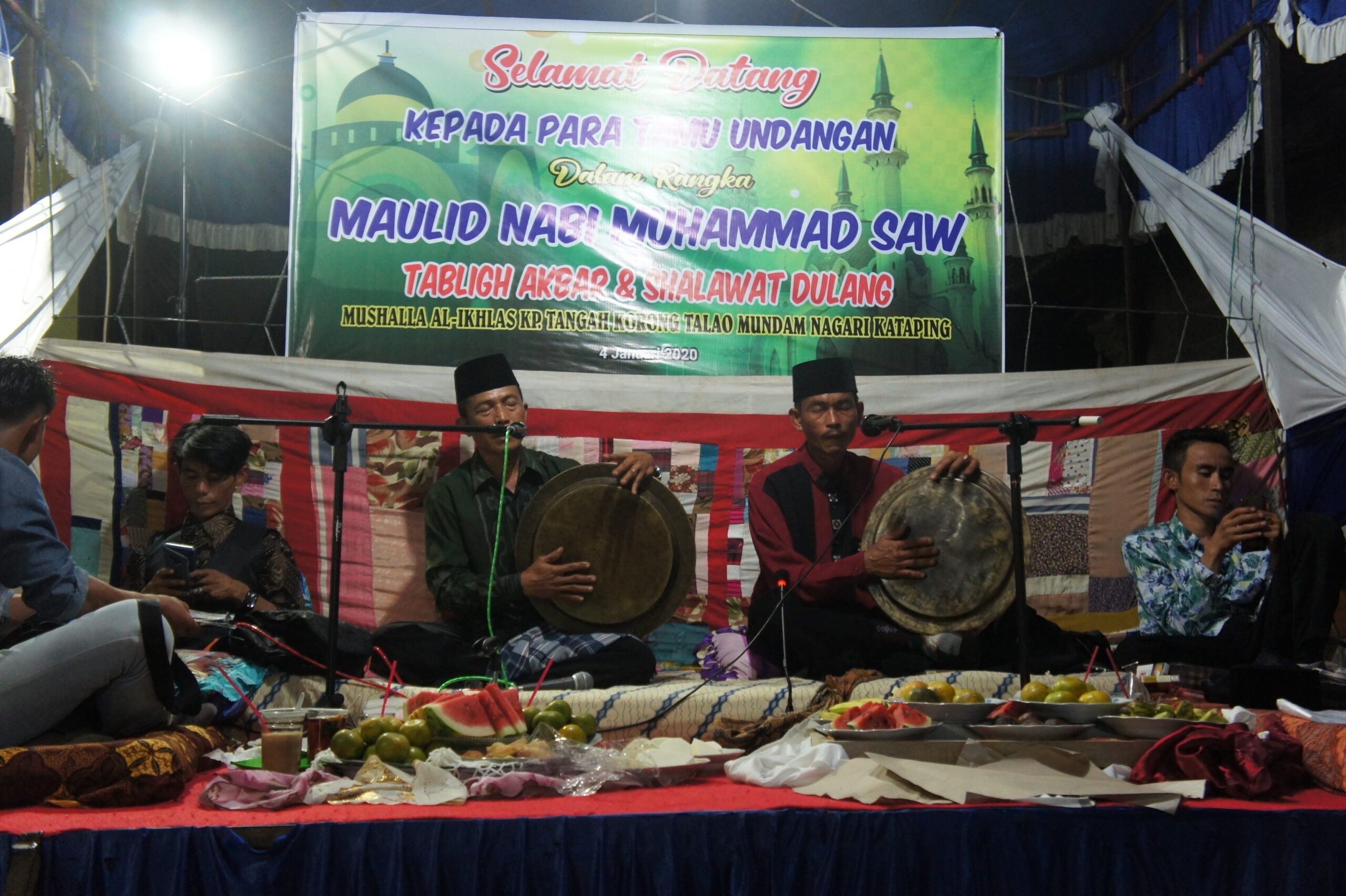
Practitioners of salawat dulang, a Minangkabau oral tradition, perform at an all-night Maulid celebration in Padang Pariaman (West Sumatra, Indonesia) in early 2020
Photograph courtesy of Katia Chaterji
Research presented at ARI’s 21st Singapore Graduate Forum on Southeast Asian Studies
Seni dan Islam Sejalan: Understanding ‘Permissibility’ of Islamic Creative Practice in Indonesia’s Gema Islam (1962-1967)
Islamic Arts, Social Organizations, Global Sixties, Permissibility, Piety
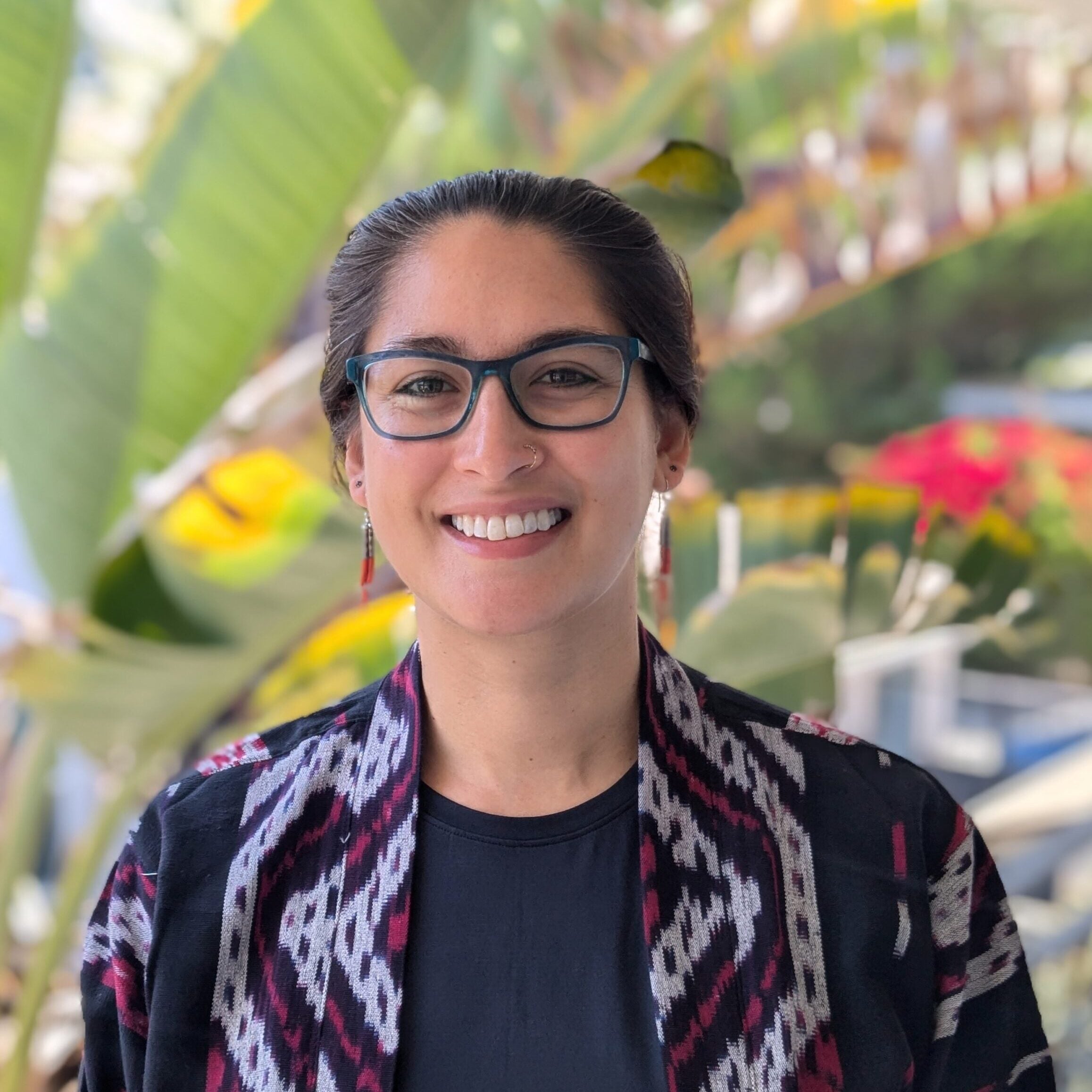
Katia Chaterji
Assistant Professor
Asian and Asian American Studies, Loyola Marymount University
Islam
Performing Arts
Katia Chaterji earned her M.A. and Ph.D. in History at the University of Washington, and her B.A. in Anthropology at the University of Chicago. An interdisciplinary scholar of Maritime Southeast Asia, she engages with oral history, performance ethnography, and historical archives to research the shared histories between Islam and the performing arts in Sumatra (Indonesia), and the lives of Indonesian performing artists in diaspora. Her ongoing scholarship explores Islamic dakwah arts in relation to shifting narratives of permissibility and belonging. Her work has appeared in Asian Music and is forthcoming in Monsoon: Journal of the Indian Ocean Rim.
Jean Chia
Researcher
Department of Anthropology,
University of Toronto
Anthropology
Jean Chia is a sociocultural anthropologist who researches infrastructure development, water and social histories in Singapore. Her work examines how identify, national imaginations and social memories are shaped by urban and hydraulic infrastructure. She is currently a researcher at the Department of Anthropology at the University of Toronto where she is studying experiences of infrastructural change along Toronto’s Don River Valley and Port Lands.
Jean also works with community organizations, law firms, university departments, and government and municipal planning agencies to improve delivery outcomes in development projects by designing pathways for the co-management of land and cultural resources.
How do we find the past in a city that has changed intensively in the past five decades?
While communities and nations across Southeast Asia grappled with the aftermath of the Second World War and turbulent postcolonial transitions, Singapore in the 1970s launched into a relentless cycle of urban construction that has never quite ceased. In a city defined by perpetual renewal—where historical inquiry is often dismissed as ‘wasting time’—the author’s interlocutors, residents deeply attuned to the past, turn to water, memory, and history to uncover the fragility of national and cultural narratives. Singapore’s streams, ditches, and canals—the forgotten infrastructure of times past—offer a revealing archive of the island’s social and developmental history. The island’s vast hydraulic networks therefore become more than infrastructure: they are conduits into the past, with water itself serving as an evocative medium orienting time and geography in the present.
Research presented at ARI’s 21st Singapore Graduate Forum on Southeast Asian Studies
Resonant Histories in Singapore’s Forgotten Infrastructure
Water, Urban Development, Hydraulic Infrastructure, Historical Memory

Concrete canal near railway corridor
Photograph courtesy of Jean Chia
Research presented at ARI’s 21st Singapore Graduate Forum on Southeast Asian Studies
From Revolutionary Frontier to Economic Enclave: China and the Geopolitical Persistence of the Golden Triangle
Golden Triangle, China–Southeast Asia Relations, Cold War, Special Economic Zones, Borderlands, Communist Movements
Cui Feng
Independent Scholar
Cold War History
Southeast Asian Studies

Vien Thi-Thuc Dinh
Research Fellow
Division of Natural Resources
Economics, Kyoto University
Migration Studies,
Sociology of Food and Nutrition
Vien Thi-Thuc Dinh is a researcher at Kyoto University, Division of Natural Resource Economics, specializing in migrant foodways. Her work traces the culinary adaptation of Vietnamese migrants in Japan through household, restaurant and community-level exchanges. Specifically, her work highlights how migrants’ traditional ecological knowledge and foraging practices contribute to local sustainability, cultural continuity and social integration in host societies like Japan and Germany. Bridging academia and community, Dinh actively supports grassroots initiatives like multicultural community gardens and heritage cuisine education to cultivate meaningful cross-cultural connections.
Who truly owns a migrant food culture?
Growing up as an ethnic minority in Northern Vietnam, Dinh (she/her) has long explored how minority traditions are represented and consumed in dominant societies.
By integrating digital ethnography of the food-review platform Tabelog with extensive fieldwork, she traces the evolution of Vietnamese restaurants in Japan. Her findings reveal a pivotal shift: while Japanese owners initially acted as gatekeepers of authenticity by tailoring dishes to local palates, a new wave of Vietnamese entrepreneurs is reclaiming these kitchens. They have transformed into “in-between spaces” where food becomes a tool for negotiating identity, fostering interactions, and rewriting the geography of culinary multiculturalism.
Research presented at ARI’s 21st Singapore Graduate Forum on Southeast Asian Studies
(Southeast) Asian Fusion Food in Asia: The Ethnicity Representation at Vietnamese Restaurants in Japan
Migrant Food Culture, Authenticity, Ethnic Restaurant, Vietnamese Migrant, Japan
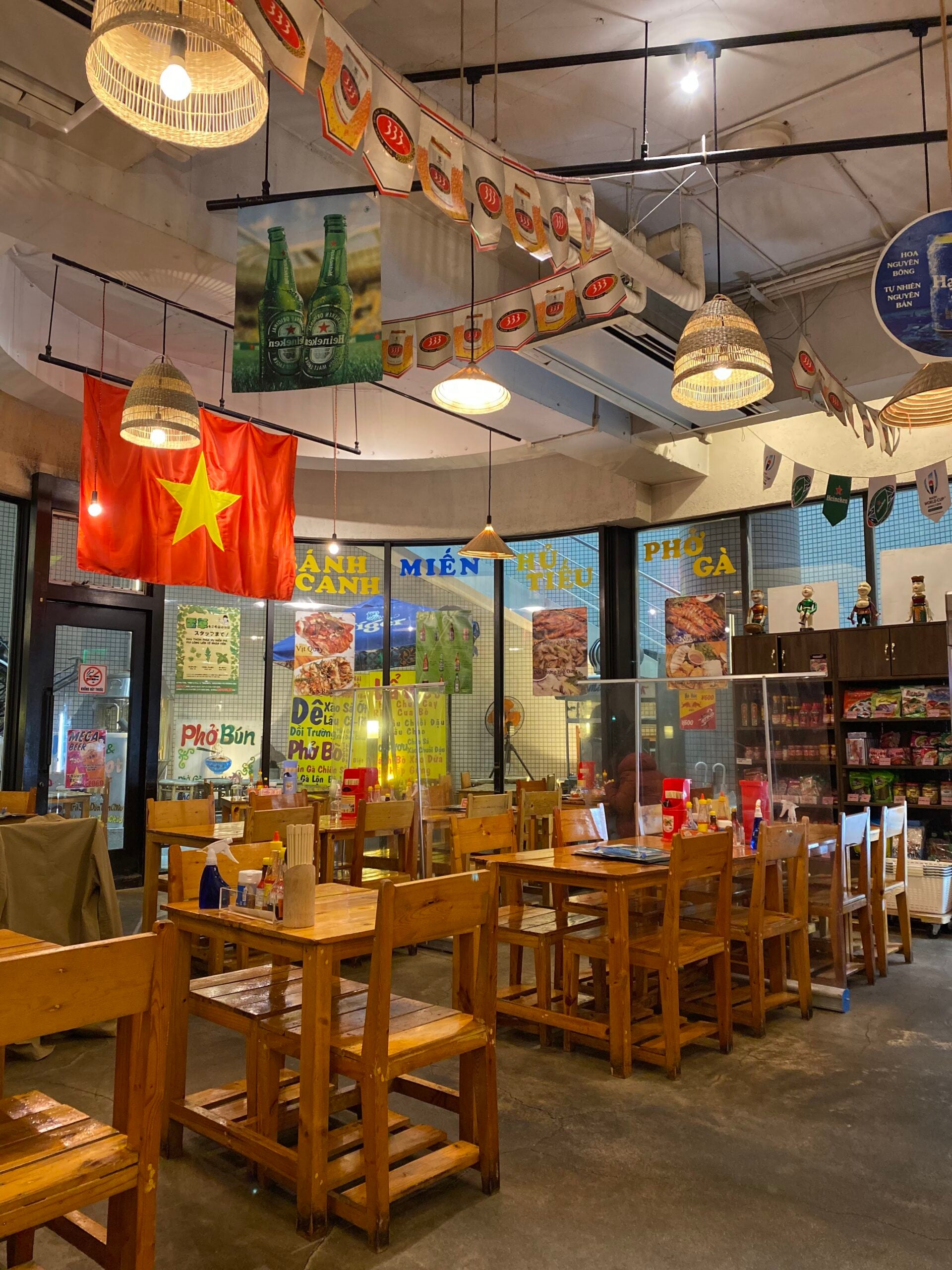
A Vietnamese restaurant in Japan is decorated with low table-chair sets, the national flag, and ubiquitous 333 beer decorations, reproducing a stereotypical Vietnamese street-food atmosphere, 2023
Photograph courtesy of Vien Thi-Thuc Dinh
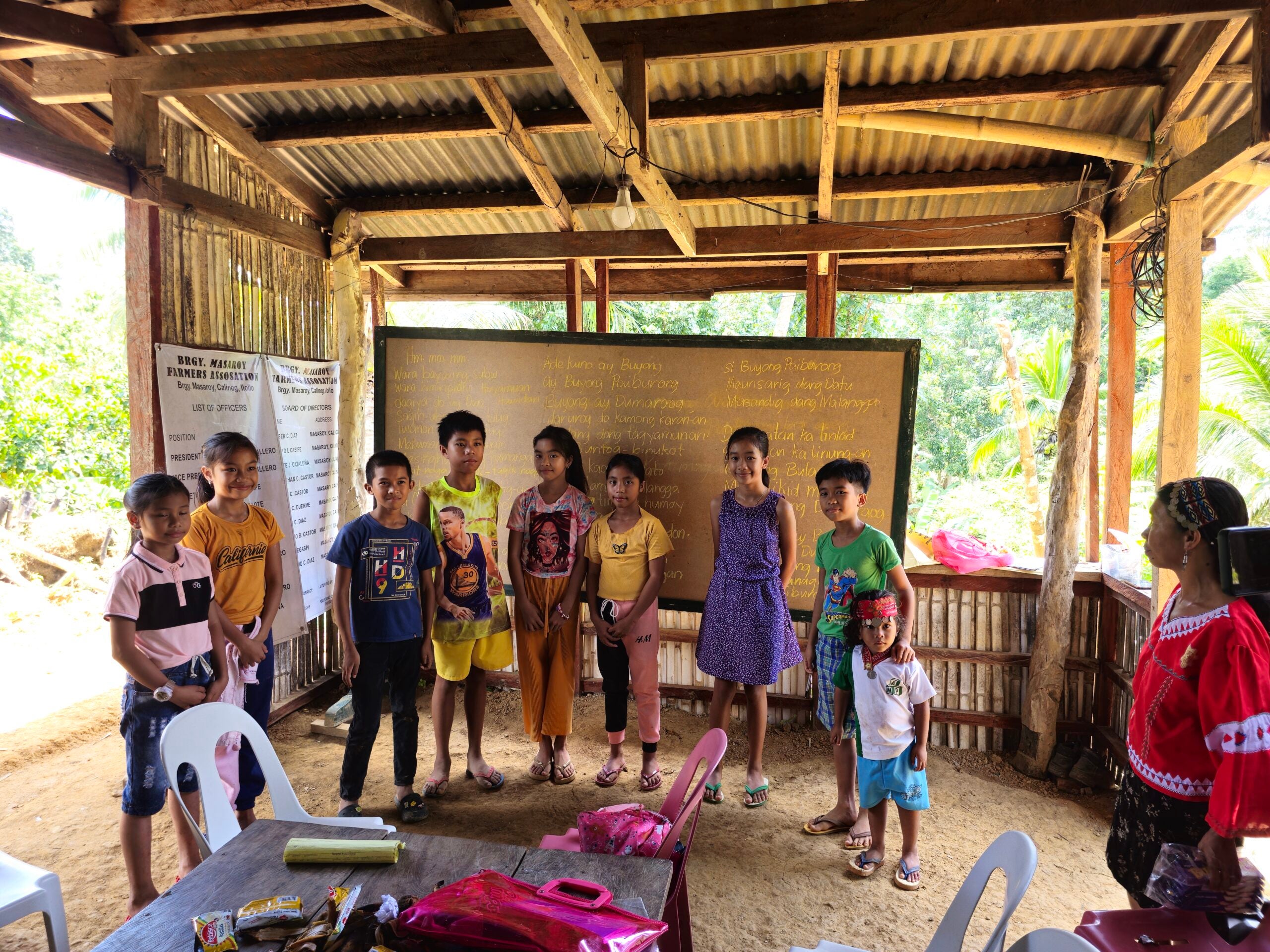
Panay Bukidnon students learn sugidanon epics at the Masaroy School for Living Tradition in Calinog, Iloilo
Photograph courtesy of David Gowey
Research presented at ARI’s 21st Singapore Graduate Forum on Southeast Asian Studies
“Do Not Separate from the Land”: Indigenous Livelihoods in Upland Calinog, Philippines
Ethnic Identity, Livelihoods, Indigenous, Panay Bukidnon, Philippines
David Gowey
Adjunct Professor
Glendale Community College
Anthropology
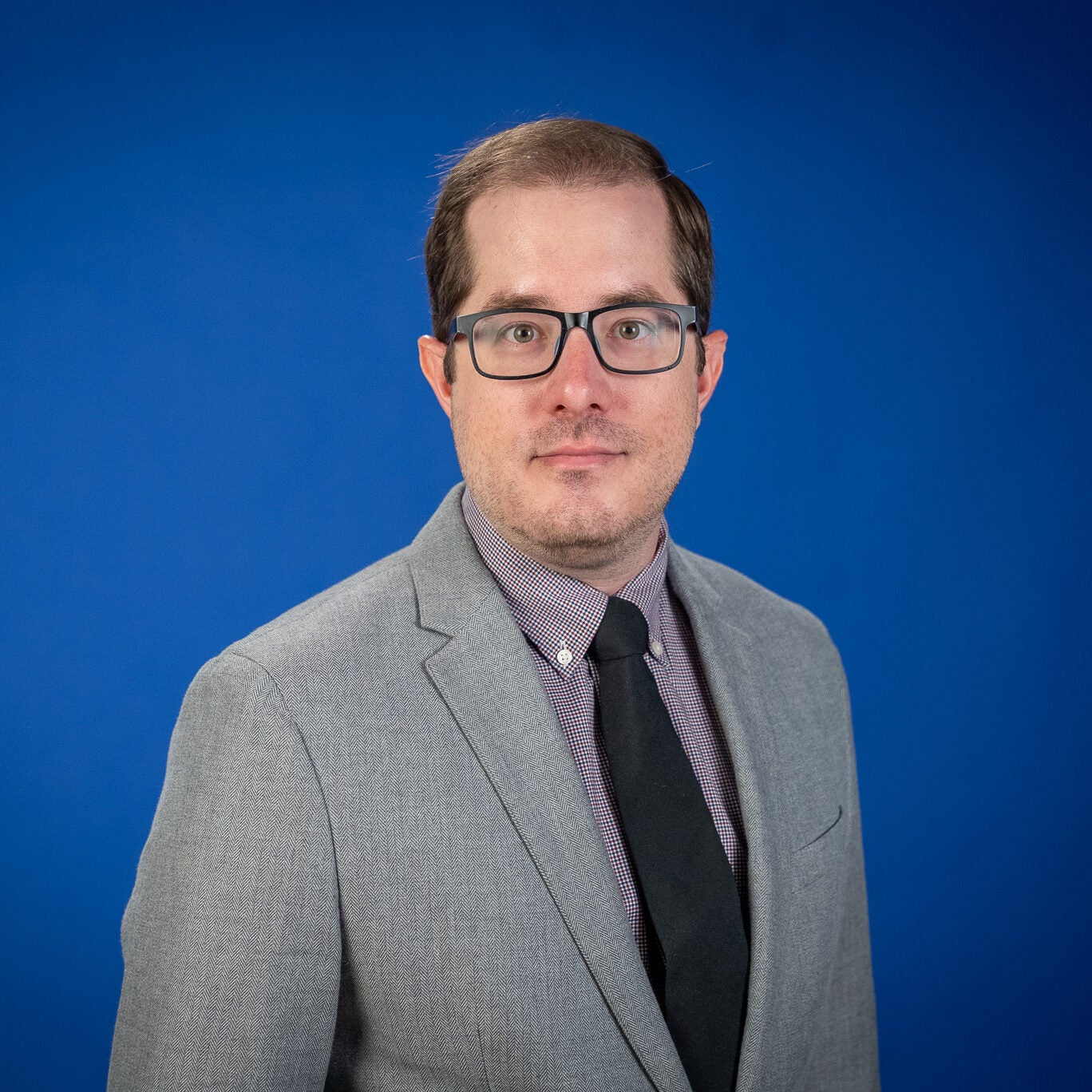
David Gowey is an Adjunct Professor of anthropology at Glendale Community College and visiting researcher in the School of Human Evolution and Social Change at Arizona State University. His research focuses on oral literature and cultural education among Indigenous Panay Bukidnon people of the Philippines. Previously, his work has been published in Ethnohistory, Colonial Latin American Review, and Journal for Asian Studies.
Harifa ‘pye’ Siregar
Assistant Professor
Faculty of Art and Design,
Institute Teknologi Bandung
Film History
Film Studies
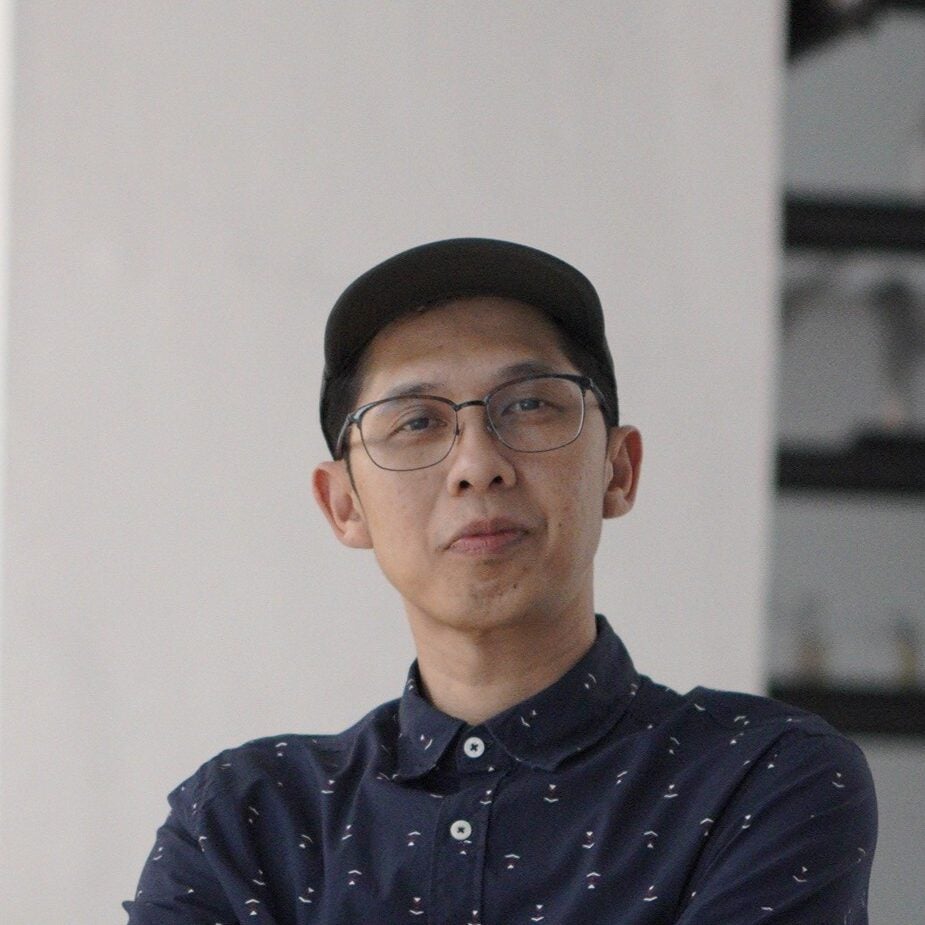
Harifa ‘pye’ Siregar is an Assistant Professor at the Visual Culture Literacy Research Group and head of Culture Hub Moving Image Lab at the Faculty of Art and Design, Bandung Institute of Technology (FSRD ITB), Indonesia. He earned his PhD in Moving Image Studies from Georgia State University. His research focuses on non-theatrical film, film history, and film archives. Pye has been actively involved in teaching and researching related issues in contemporary Indonesian visual and material culture, as depicted in film and historical archives, at FSRD ITB.
pye (he/him) finds that non-theatrical films about Indonesia have been left out of the conversation about many aspects of the nation’s modern life. A hesitation generally stems from the monotonous visualization of the genre. Yet, by closely analyzing the film's formal elements, conducting archival research, and tracing legal and formal documents, he found that colonial propaganda films have been used as visual guidance that dictates how people should act and behave.
Research presented at ARI’s 21st Singapore Graduate Forum on Southeast Asian Studies
Visualization of Institutionalized Invented Tradition: Tonari Gumi (1943), Japanese Film Propaganda in Indonesia, and the Continuity of Surveillance and Control
Tonari Gumi (1943), Non-theatrical Film, Japanese Propaganda, History, Inter-Asia Engagements
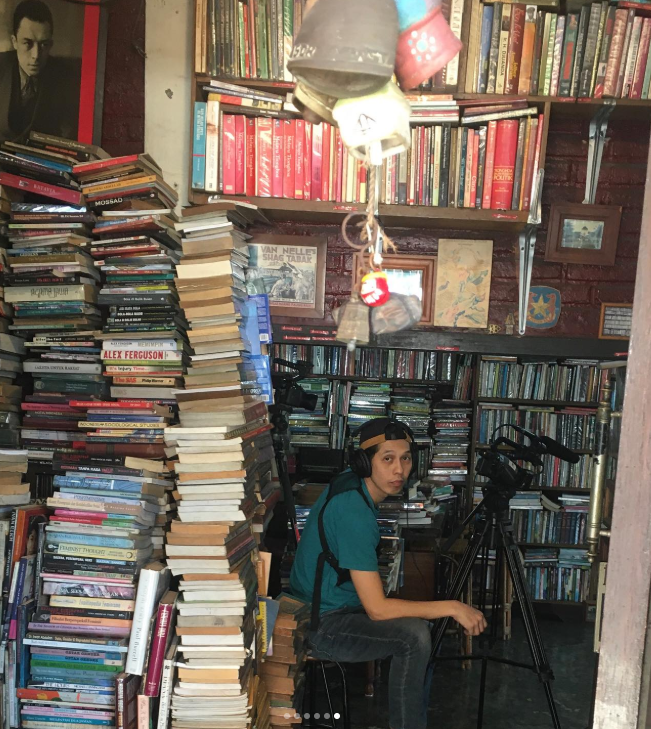
The start of a talk at the Asian Television Forum and Market in On the film set of Literacy amidst Ignorance: Anton Solihin and Batu Api Library as Observed by pye siregar (2025), a documentary about Anton Solihin and his small library in Jatinangor, West Java, Indonesia.
The film can be watched on YouTube here

The start of a talk at the Asian Television Forum and Market in Singapore, 2022. Media professionals across Asia gather here to buy and sell rights to media properties and to discuss the state of their industries.
Photograph courtesy of Kenzell Huggins
Huggins (he/him) has lived in two cities on the margins of histories of media production. His hometown of Jacksonville, Florida, was once known as the Winter Film Capital of the World before the rise of Hollywood.
Today Chicago sits behind New York and Los Angeles in the nation’s media and entertainment ecology. But even these central sites of media industries see aspects of their industries spread across national borders. Huggins draws on ethnographic research, interviews, and analysis of media text to trace how Singapore carves a space for its media industries in the global media ecosystem through media co-productions.
Research presented at ARI’s 21st Singapore Graduate Forum on Southeast Asian Studies
Whose Media?: Refiguring Authorship and Responsibility in Inter-Asian Media Co-Production
Film and Television, Co-Production, Asian Media Development, Singapore
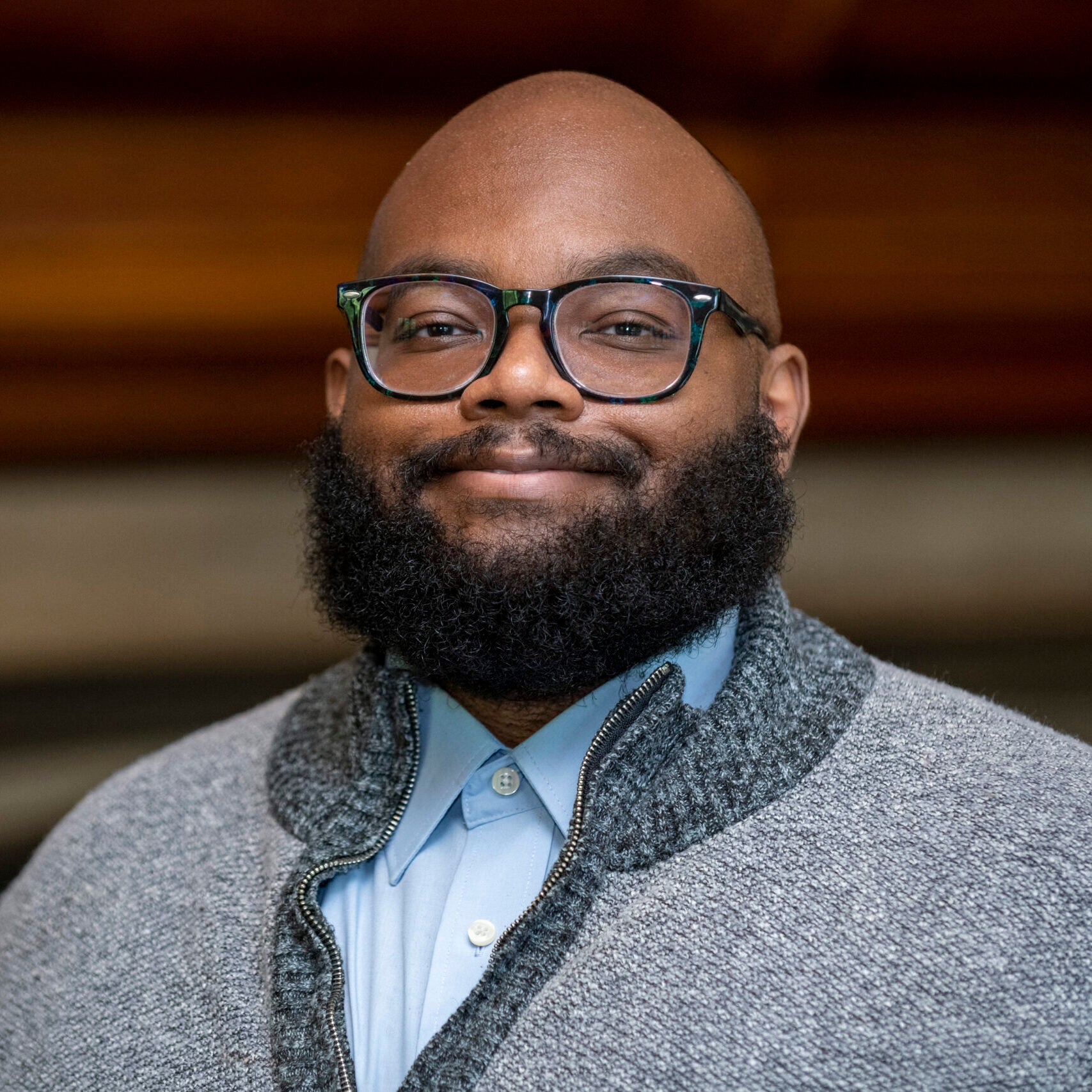
Kenzell Huggins
Teaching Fellow
Department of Anthropology, University of Chicago
Anthropology
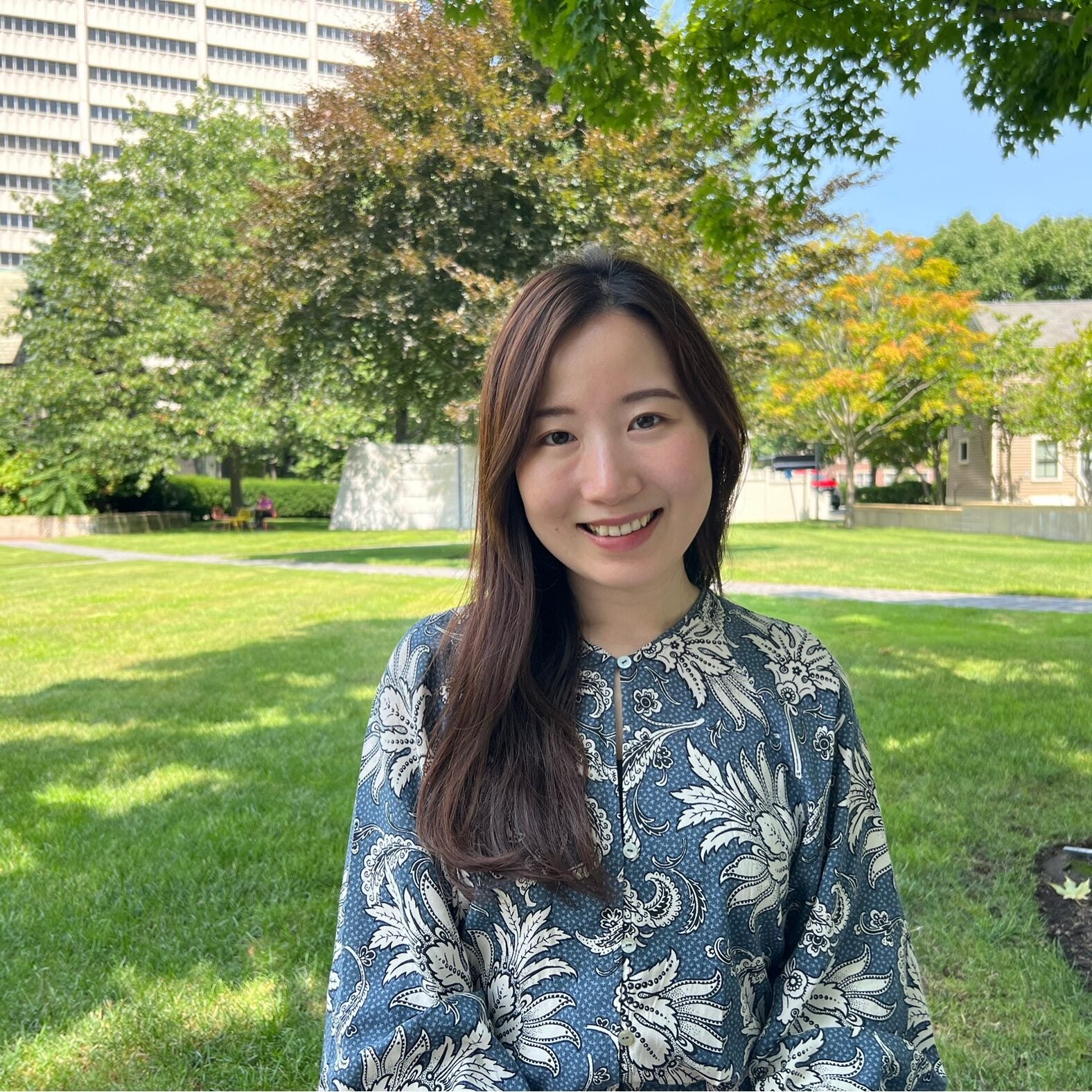
Ayumi Inouchi
Postdoctoral Research Scholar
School of International Letters and Cultures, Arizona State University
Anthropology
Ayumi Inouchi is a linguistic and sociocultural anthropologist of contemporary Japan, focusing on how language practice, daily aesthetics, and cultural production of young women give rise to negotiations of social relations and ideologies, particularly around gender. She is also researching the consumption of East Asian popular culture among urban women in Southeast Asia, especially Indonesia. Her research centers on two questions: 1) how “Japan” and “Korea” are (re)imagined through young women’s practice, and 2) how young women's small businesses, built on the popularity of K-pop, reveal local and global economic-cultural logics.
Research presented at ARI’s 21st Singapore Graduate Forum on Southeast Asian Studies
Girlscape in Urban Indonesia: K-pop Fan Merchandise Market as Transnational Girl Culture
Girl Culture, K-pop, Fan Culture, Inter-Asian Cultural Flow, Indonesia

Photograph courtesy of Ayumi Inouchi
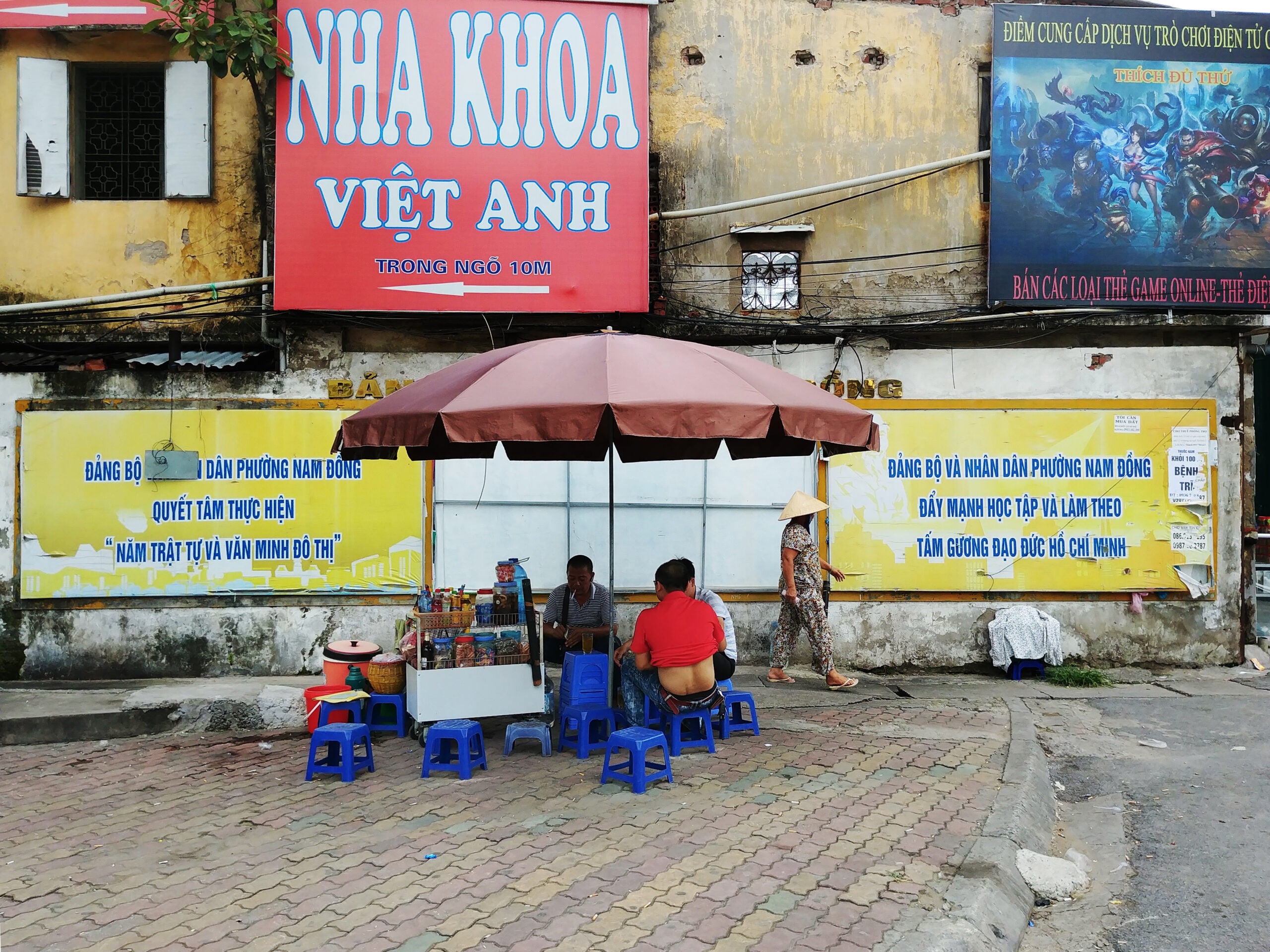
An ‘uncivilized’ sidewalk tea stall in front of weathered propaganda billboards promoting “A year in public order and urban civility,” Nam Đồng ward, Hanoi, 2017.
Photograph courtesy of Olivier Jacques
Jacques (he/him) studies the transformation of everyday urban life in Hanoi through campaigns aimed at producing cleaner, more civilized, and more “synchronized” streets. His research examines how sidewalk vending, improvised extensions, tea stalls, and other informal practices are increasingly targeted through surveillance, AI-assisted enforcement, and aesthetic regulation. Rather than treating these practices as disorder, he approaches them as adaptive systems through which density is metabolized, and residents negotiate heat, mobility, and economic uncertainty.
His work examines what erodes when cities eliminate not only encroachments, but the socio-spatial capacities that once made urban density workable, flexible, and collectively livable.
Research presented at ARI’s 21st Singapore Graduate Forum on Southeast Asian Studies
Urban Order, Sidewalks, Informality, Aesthetic Governmentality, Hanoi

Olivier Jacques
Lecturer
School of Interdisciplinary Sciences and Arts, Vietnam National University
Architecture
Urban Studies
Olivier Jacques is a Canadian architect and researcher whose work bridges architectural theory, design practice, and urban policy. He conducted research at Tama Art University before earning a PhD in Architecture from McGill University (2024). Jacques is a lecturer at Vietnam National University in Hanoi and director and co-founder of Song Song Studio in Hanoi. There he leads design-research initiatives on heritage, policy, and climate adaptation.
His writing appears in Thresholds (MIT Press), and Pacific Affairs, and he has presented at the Harvard–Yale Southeast Asia Studies Conference (2024). Jacques previously worked with Atelier Bow-Wow (Tokyo) and J. Mayer H. (Berlin) on the acclaimed Metropol Parasol project in Seville.
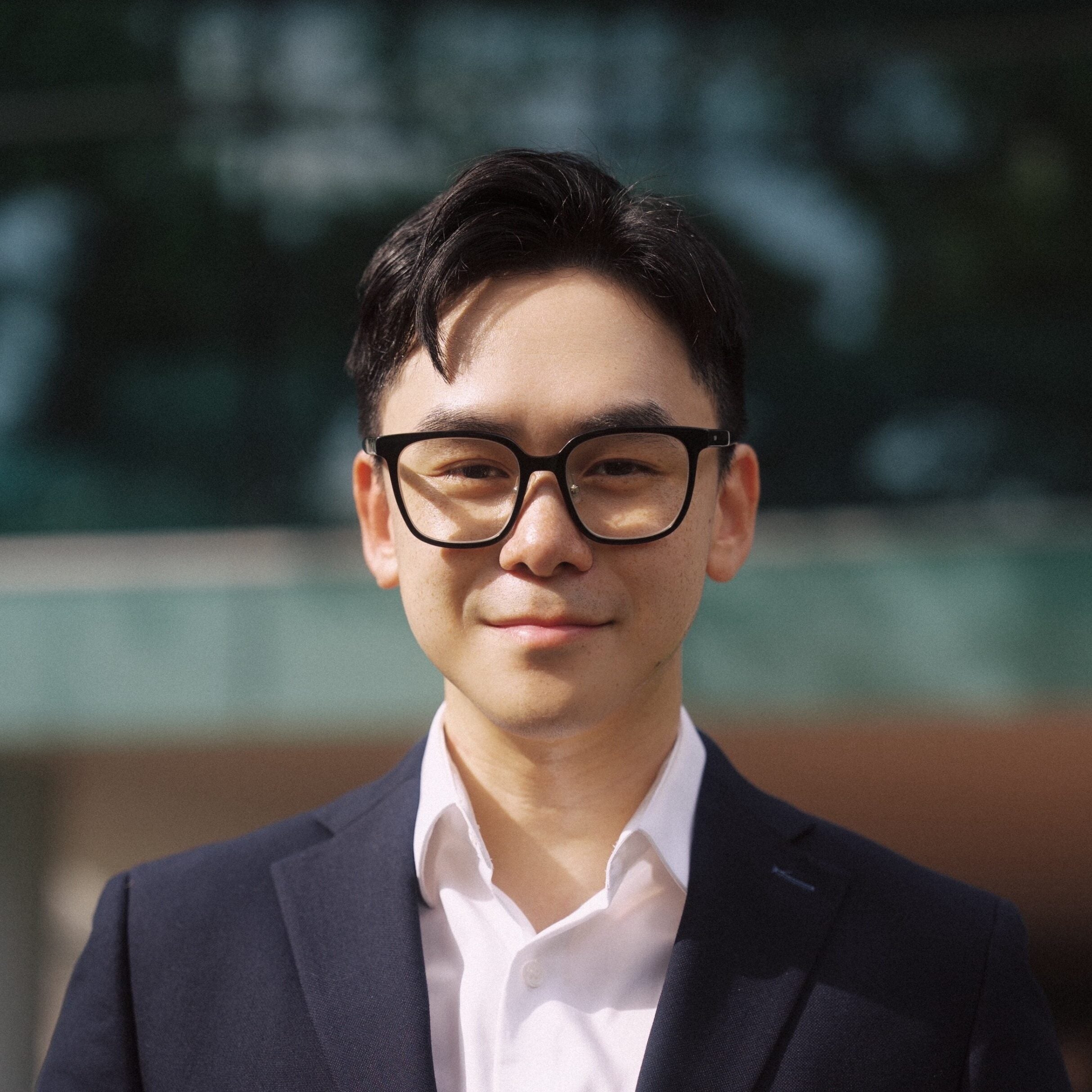
Al Lim
Assistant Professor
College of Integrative Studies, Singapore Management University
Anthropology
Al Lim is a Presidential Assistant Professor of Anthropology at Singapore Management University. A sociocultural anthropologist of finance and technology in Southeast Asia, his current project explores the social worlds of crypto builders in Thailand. His work has appeared in Urban Geography, Environment and Planning E: Nature and Space, and The Journal of the Siam Society.
He holds a combined PhD in Anthropology and Environmental Studies from Yale University, an MSc in Urbanisation and Development (overall best performance) from the London School of Economics and Political Science, and a BA in Urban Studies (summa cum laude) from Yale-NUS College.
What does a Michelin-starred dinner have to do with a crypto token launch?
Research presented at ARI’s 21st Singapore Graduate Forum on Southeast Asian Studies
The Crypto Circuit: Loudness, Flexing, and Entrepreneurial Urbanism through Bangkok
Crypto Circuit, Entrepreneurial Urbanism, Scalar Flexing, Loudness, Bangkok

Lim's Stellar NFT: a customized proof of membership in ARC, a digital-first community in Asia co-founded by JJ Lin, Kiat Lim, and Elroy Cheo.
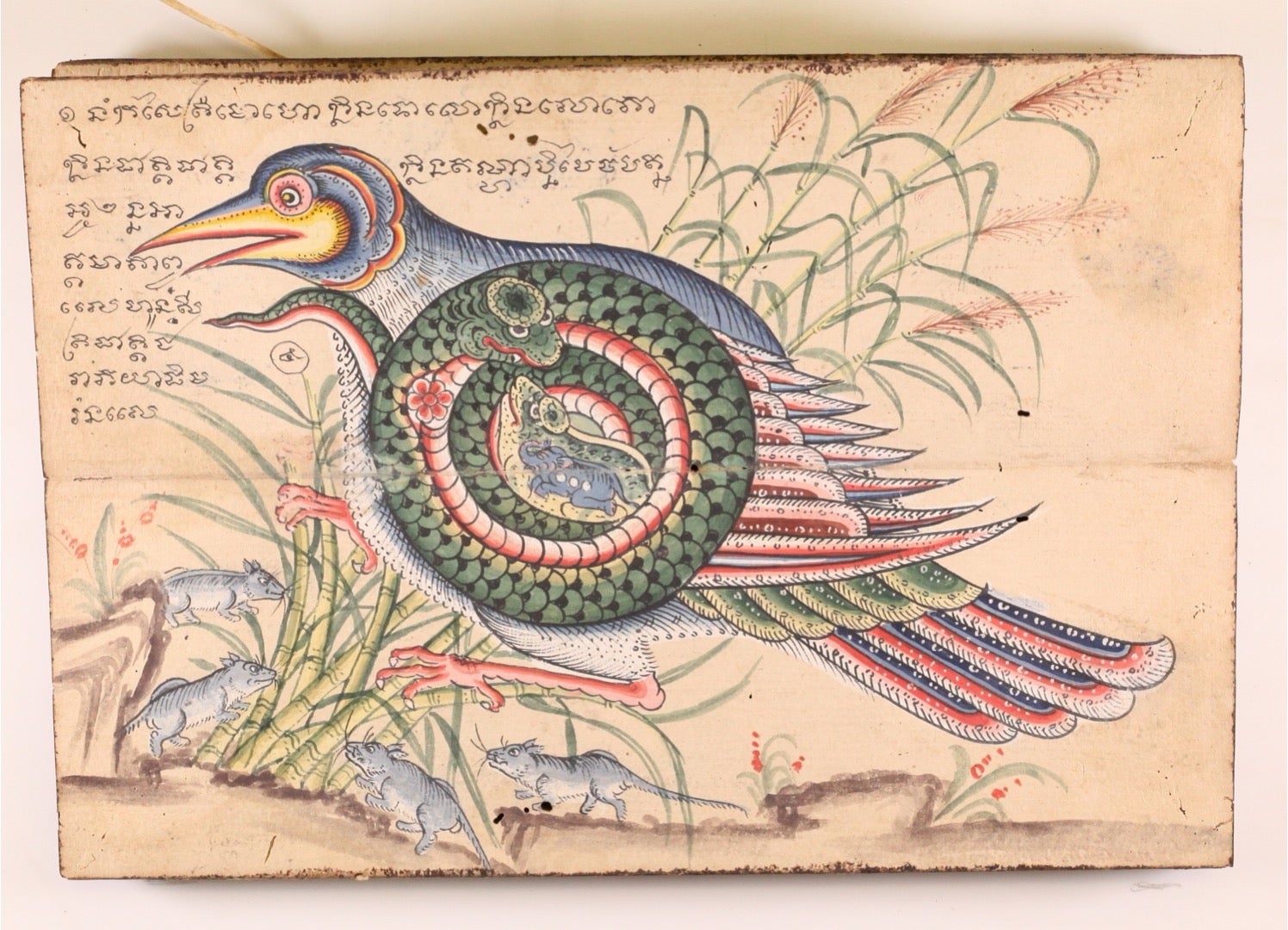
“The Metaphor of Dependent Arising,” from a 19th-century illustrated meditation manuscript from Thailand
Woramat (he/him) specializes in Buddhist manuscript culture and its intersections with religious practices such as ritual and kammaṭṭhāna meditation. His research has identified over 300 meditation texts and related mural paintings dating from the 16th to 20th centuries across Thailand, Laos, and Cambodia, demonstrating how manuscripts and murals—alongside teacher–student transmission—have served as vital media for preserving and transmitting meditation knowledge within lineages and broader communities.
His work highlights the richness, diversity, and mobility of Southeast Asian premodern meditation traditions, showing that these materials function not only as literary and historical artifacts but also as practical manuals offering guidance on meditation practice, spiritual transformation, and healing.
Research presented at ARI’s 21st Singapore Graduate Forum on Southeast Asian Studies
“Esoteric” or “Normative”? Reconsidering the Circulation of Premodern Kammaṭṭhāna (Meditation) Traditions in Southeast Asia through Manuscripts and Murals
Esoteric Theravāda, Kammaṭṭhāna, Meditation, Mural Painting, Manuscript, Thailand
Woramat Malasart
JSPS Postdoctoral Fellow
Department of Buddhist Studies, Otani University
Religious Studies
Area Studies
Woramat Malasart is currently a Postdoctoral Fellow sponsored by the Japan Society for the Promotion of Science (JSPS), affiliated with Otani University in Kyoto, Japan, working on the research project, "Traditional Meditation: Texts and Illuminations in Endangered Manuscripts from Southeast Asia." Prior to this position, he served as a lecturer at the College of Religious Studies, Mahidol University, Thailand, and as a teaching fellow in the Religion Program at the University of Otago, New Zealand.
Malasart's research centres on Buddhist manuscript cultures in Southeast Asia and their intersections with textual traditions, ethnographic life, and ritual practices within Theravāda Buddhist contexts.
Dan McCoy
Independent Scholar
Modern Asian Diplomatic History
Dan McCoy earned a PhD in History from Northern Illinois University (NIU) in 2025. McCoy has spent extensive time conducting research in Indonesia supported by a 2022-2023 Fulbright student research grant, a 2022-2023 visiting fellowship to CSIS, a 2025 fellowship at the Indonesian International Islamic University, and a 2026 AIFIS-CAORC Research Fellowship.
He served as a graduate research assistant to Dr. Günter Bischof at the University of New Orleans, Dr. Aarie Glas at NIU, and Dr. Deepak Nair at the Australian National University. His research interests include the institutional, intellectual, and diplomatic history of Southeast Asia during the Cold War.
What can we glean from an era of imaginative diplomacy and reconciliation in today’s world of escalating saber-rattling and jousting?
Today’s international political landscape is cacophonous and blustering. Folks are not so much talking as yelling, maximizing differences and scorning soft diplomacy. Indonesia and Vietnam should have despised one another during the Third Indochina War due to an assortment of political, societal, and economic incompatibilities. Indonesia was aggressively non-communist, while Vietnam considered itself a new beacon of the worldwide socialist revolution.
Nevertheless, they transcended their differences through bold diplomacy, steady dialogue, and sharing in their historical struggles that contributed toward ending the conflict. Indonesia was Vietnam’s greatest friend in ASEAN when Vietnam was viewed as an international pariah.
Research presented at ARI’s 21st Singapore Graduate Forum on Southeast Asian Studies
An Uncommon Kinship: The Indonesia-Vietnam Relationship During the Third Indochina War (1978-1991)
Foreign Relations, Diplomacy, Third Indochina War, Indonesia, Vietnam
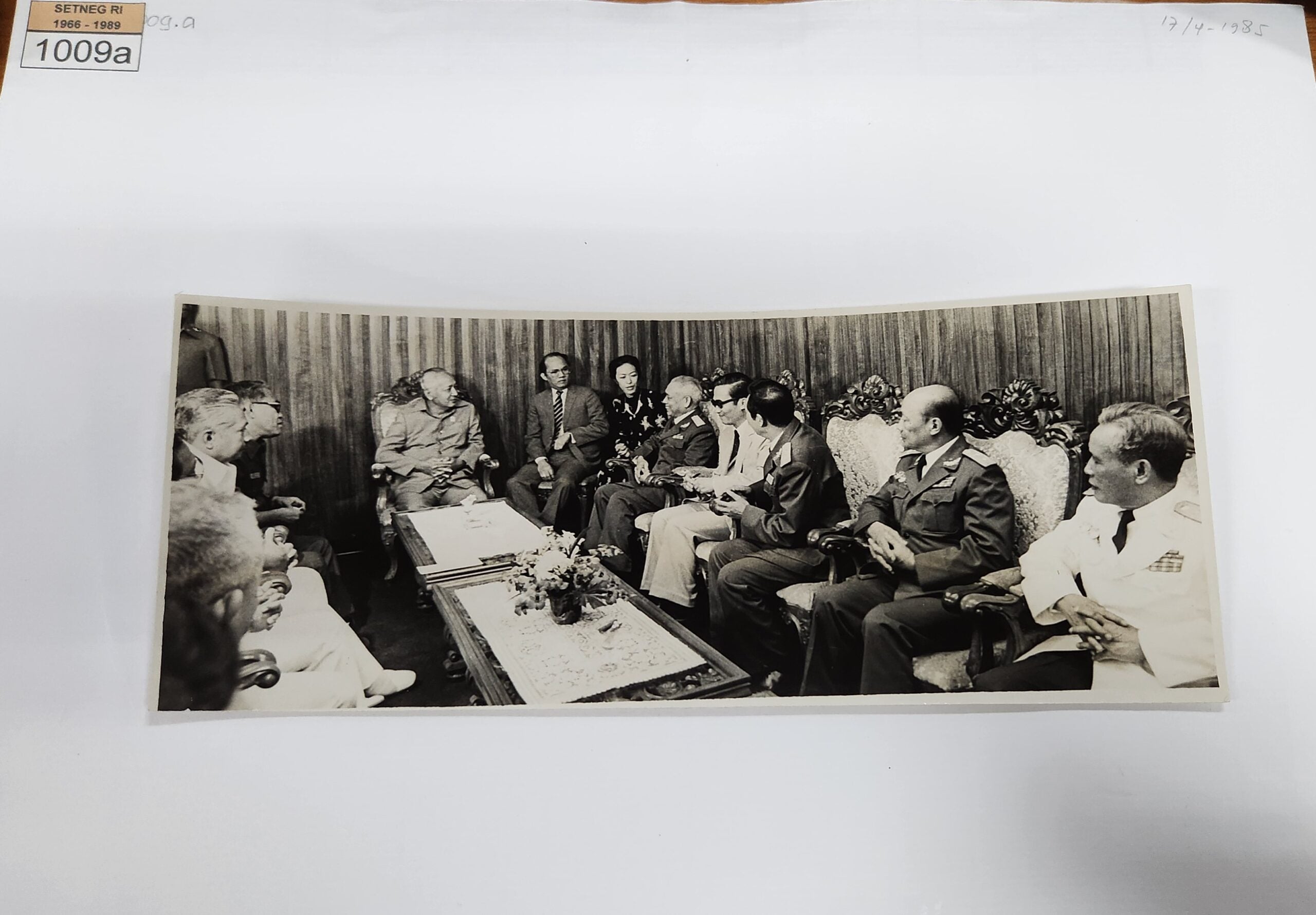
Indonesia Pres. Suharto (Ctr) & Gen. Murdani (L) meet SRV Gen. Van Tien Dung (Rt) and delegation in Jakarta (17 April 1985)
SETNEG RI 1966-1989 (No. 1009a) National Archives of the Republic of Indonesia (ANRI)
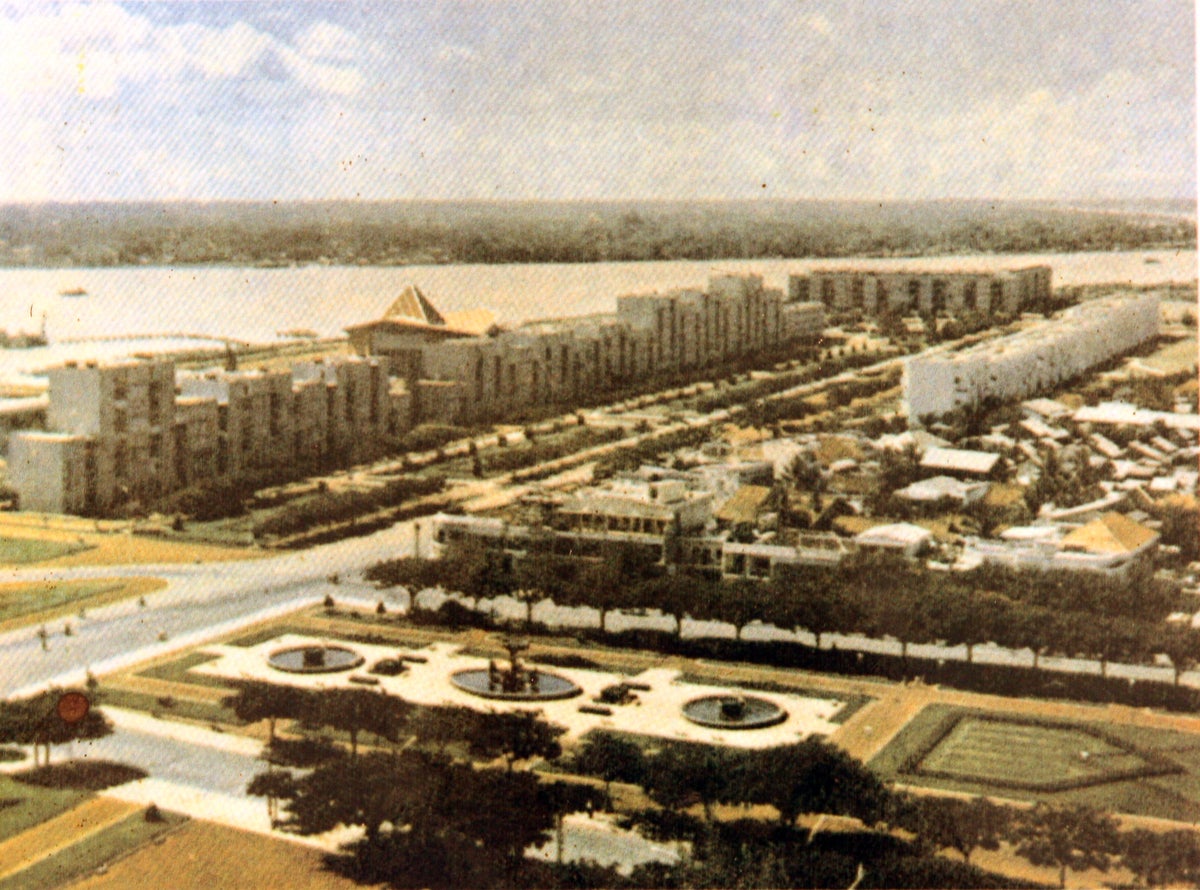
View of the 1960s Bassac Riverfront Project including the White Building in oversaturated colors. Source: Photos-Souvenirs 1994, vol. 6 (Urbanisme & Tourisme), cover.
Viewed by this author in Helen Grant Ross and Darryl Collins's Building Cambodia: "New Khmer Architecture" 1953-1970 (Key Publisher 2006)
Mitamura (they/she) is a poet and feminist scholar investigating the counterimaginings of Cambodian filmmaker Kavich Neang, considering his films about his destroyed home and his work with Phnom Penh film collective Anti-Archive as literal and dream infrastructure-building.
With oral history interviews, cultural, and film analysis, they trace how the infrastructures Neang remembers and (re)creates in his three films about the White Building (1960s post-independence socialist housing experiment turned post-genocide artist collective/urban village until its 2010s state sale and demolition) are oriented toward revised and liberatory relationships to dominant histories, stories, and state policies.
Research presented at ARI’s 21st Singapore Graduate Forum on Southeast Asian Studies
The White Building and Kavich Neang’s Infrastructure of Dream
White Building, Displacement, Filmmaking, Cambodia, Southeast Asian Cities
Emily Mitamura
Assistant Professor
Feminist Studies
Asian/American Studies
Emily Mitamura is a poet and scholar of gender, race, film, and empire. With commitments to Third World feminisms, postcolonial thought, and Asian/American expressive culture, their work unpacks narrative afterlives of colonial and mass violence in Cambodian life, investigating how the story of violence becomes a terrain of political life negotiated, contested, and reimagined by survivors and kin.
She is currently a postdoctoral fellow in Gender, Sexuality, Women's Studies at Bowdoin College and will start as Assistant Professor of Asian/American Cultural Studies in the Department of English and Media Studies at Bentley University in Fall 2026.
Muhammad Afdillah
Assistant Professor
Interrligious Studies
Indonesian Islam
Muhammad Afdillah is a lecturer in Interreligious Studies at Universitas Islam Negeri Sunan Ampel (UINSA) Surabaya, Indonesia. He earned his Ph.D. in Islamic Studies and Christian-Muslim Relations from Hartford International University in 2025. His research focuses on interreligious dialogue, peacebuilding, religion and the State, and Muslim-Christian relations in Indonesia. He has published on religious tolerance, interfaith engagement, and Indonesian Islam in journals such as The Muslim World.
Afdillah currently serves as Director of the Center for the Study of Religion and Peacebuilding at UINSA and is actively involved in Muhammadiyah’s interreligious initiatives and international peacebuilding programs.
Can charity become a form of daʿwa without asking anyone to convert?
Muhammad Afdillah’s (he/him) research investigates how Muhammadiyah transformed Islamic philanthropy into a mode of public coexistence in Christian-majority eastern Indonesia. Through schools, clinics, orphanages, and disaster-relief programs, Muhammadiyah became socially influential in places where Muslims are minorities.
Rather than emphasizing religious domination, Muhammadiyah cultivated what Afdillah calls “ethical presence” — an Islamic identity expressed through public service, relational trust, and humanitarian engagement. The study reveals how philanthropy can reshape Muslim-Christian relations while allowing an Islamic movement to remain publicly religious in plural environments.
Research presented at ARI’s 21st Singapore Graduate Forum on Southeast Asian Studies
Muslim Philanthropy as Ethical Presence: Muhammadiyah in Christian-Majority Eastern Indonesia
Islamic Philanthropy, Muhammadiyah, Muslim-Christian Relations, Ethical Presence, Eastern Indonesia

Where religion, society, and community empowerment meet: researching Muhammadiyah’s philanthropy in Eastern Indonesia
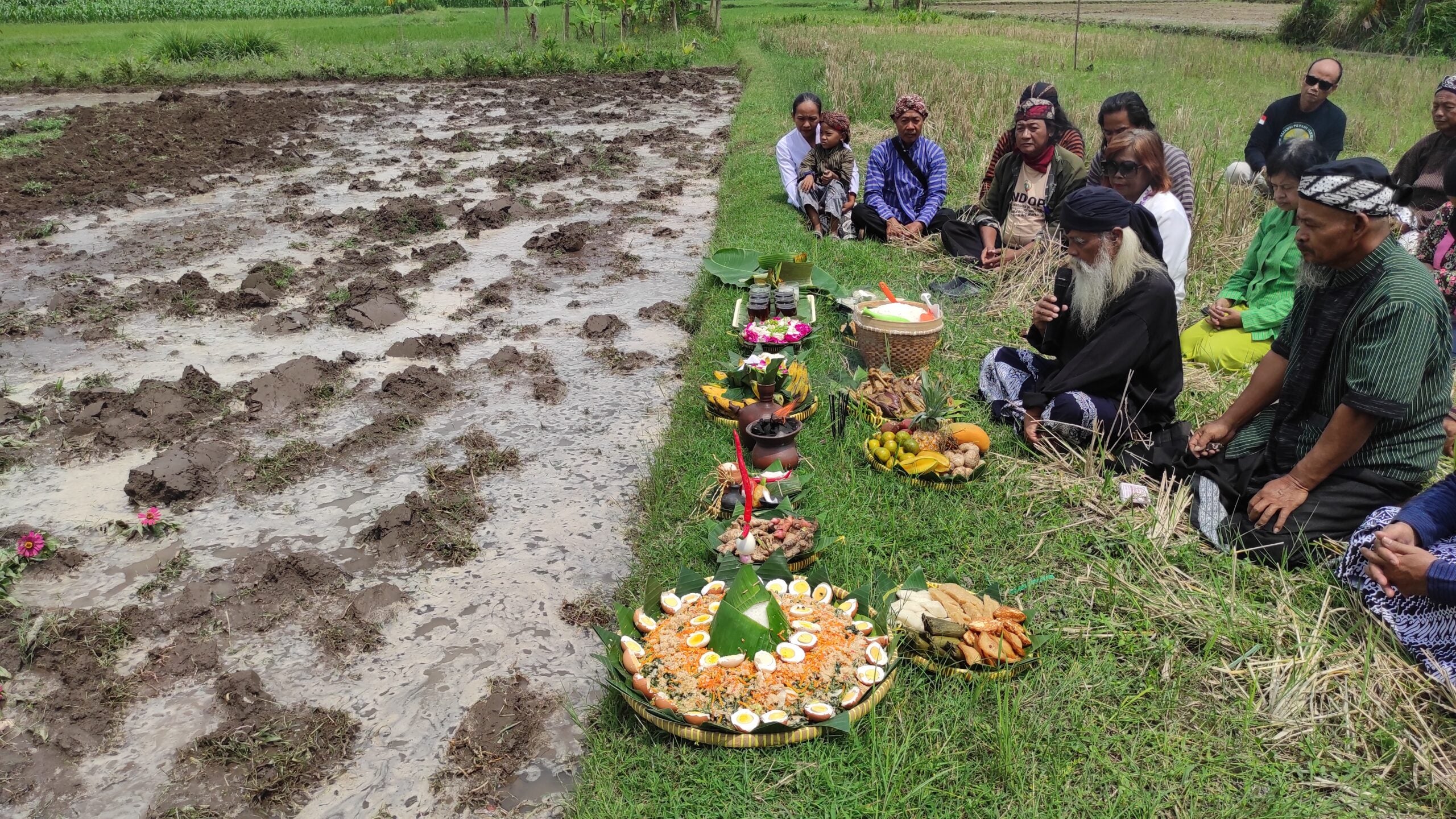
A rice planting initiation ritual by the adherents of indigenous religion in Yogyakarta
Photograph courtesy of Najiyah Martiam
Research presented at ARI’s 21st Singapore Graduate Forum on Southeast Asian Studies
Calling Back Ancestors’ Ways: Revitalization of Traditional Agricultural Rituals in Yogyakarta, Indonesia
Najiyah Martiam
Guest Lecturer
Center for Religious and Cross-Cultural Studies, Universitas Gadjah Mada
Gender and Environment
Religion and Gender
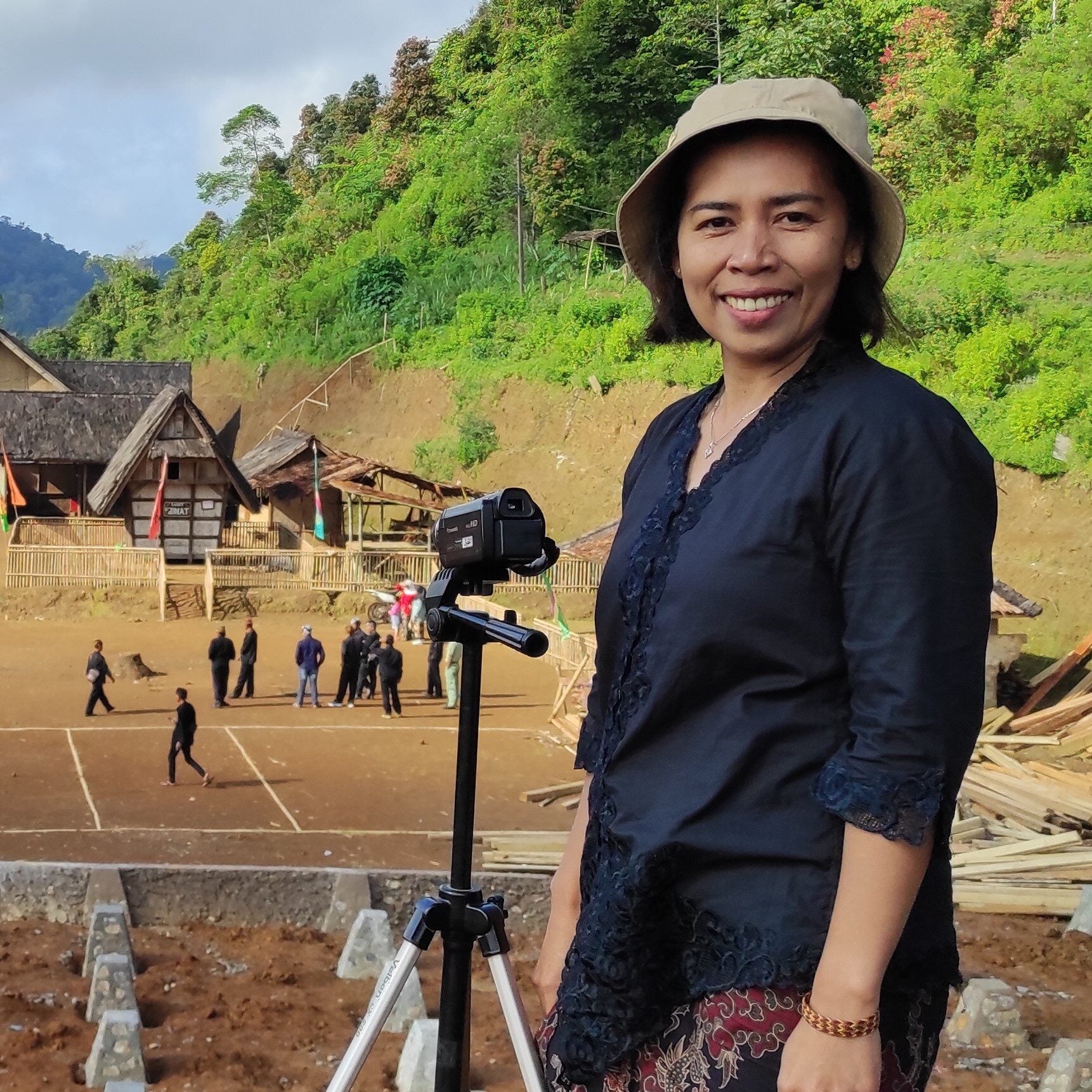
Najiyah is the founder and CEO of the Godong Sukun Environmental Collective, a new environmental initiative in Yogyakarta that focuses on environmental education, research, and action, especially for youth. She also teaches environmental ethics at the Center for Religious and Cross-Cultural Studies, Gadjah Mada University, Indonesia. Her Ph.D. thesis, Tropical Islam: Indigeneity, Religion, Environment, and Gender Relations in Indigenous-Muslim Communities in Indonesia, explores the intersections of indigeneity (adat), religion, environmental ethics, and gender dynamics in several adat Muslim communities in Java and South Sulawesi, Indonesia.
Noorhidayah
Lecturer
Sharia' Faculty, Universitas Islam Negeri Palangka Raya
Anthropology
Islamic Studies
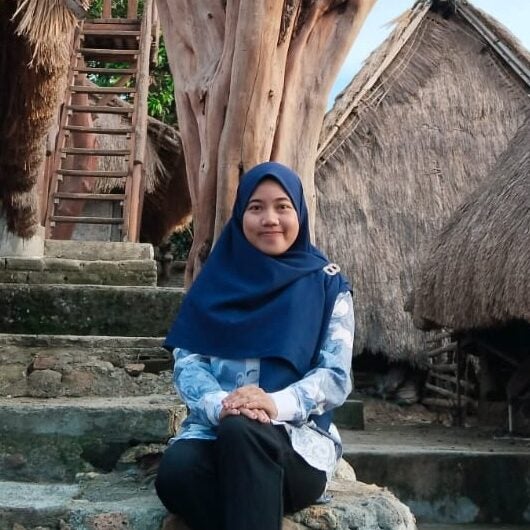
Dr. Noorhidayah, S.H., M.A., is a lecturer at the State Islamic University of Palangka Raya, Indonesia. She holds a Ph.D. in Islamic Studies from UIN Sunan Kalijaga, Yogyakarta, with research focusing on the intersections of religion, food practices, and socio-ecological dynamics in Southeast Asia. Her work spans food regimes, political ecology, ecological justice, and legal pluralism in multi-ethnic Islamic contexts.
When does exploitation become a virtue?
In Indonesia’s agrarian frontier, amid the expansion of palm oil capitalism, vulnerable groups seek more than mere survival: they also seek moral legitimacy for wealth accumulation. Based on ethnographic research in Central Kalimantan, Noorhidayah (she/her) examines how Sufi teachings, spiritual authority, and extractive development become entangled within Indonesia’s food estate project.
As ecological crisis and agrarian transformation intensify, economic aspirations are increasingly articulated through the language of piety and spiritual aspiration. Mystical piety no longer functions solely as a space of escape or moral critique of capitalism, but also helps render extraction ethical, necessary, and even virtuous.
Research presented at ARI’s 21st Singapore Graduate Forum on Southeast Asian Studies
Becoming Pious Palm Oil Bosses: Aspirational Mysticism in Indonesia’s Food Estate Frontier

The women, waving cheerfully toward the camera, who are primarily employed as daily wage labourers in oil palm plantations were returning from secondary work as semi-proletarian labour in the food estate fields.
This photograph captures a fleeting moment of warmth and conviviality amid the documentation of everyday labour, crop failure, and the ordinary workings of extractive mechanisms that continue to shape rural life.
Photograph courtesy of Noorhidayah
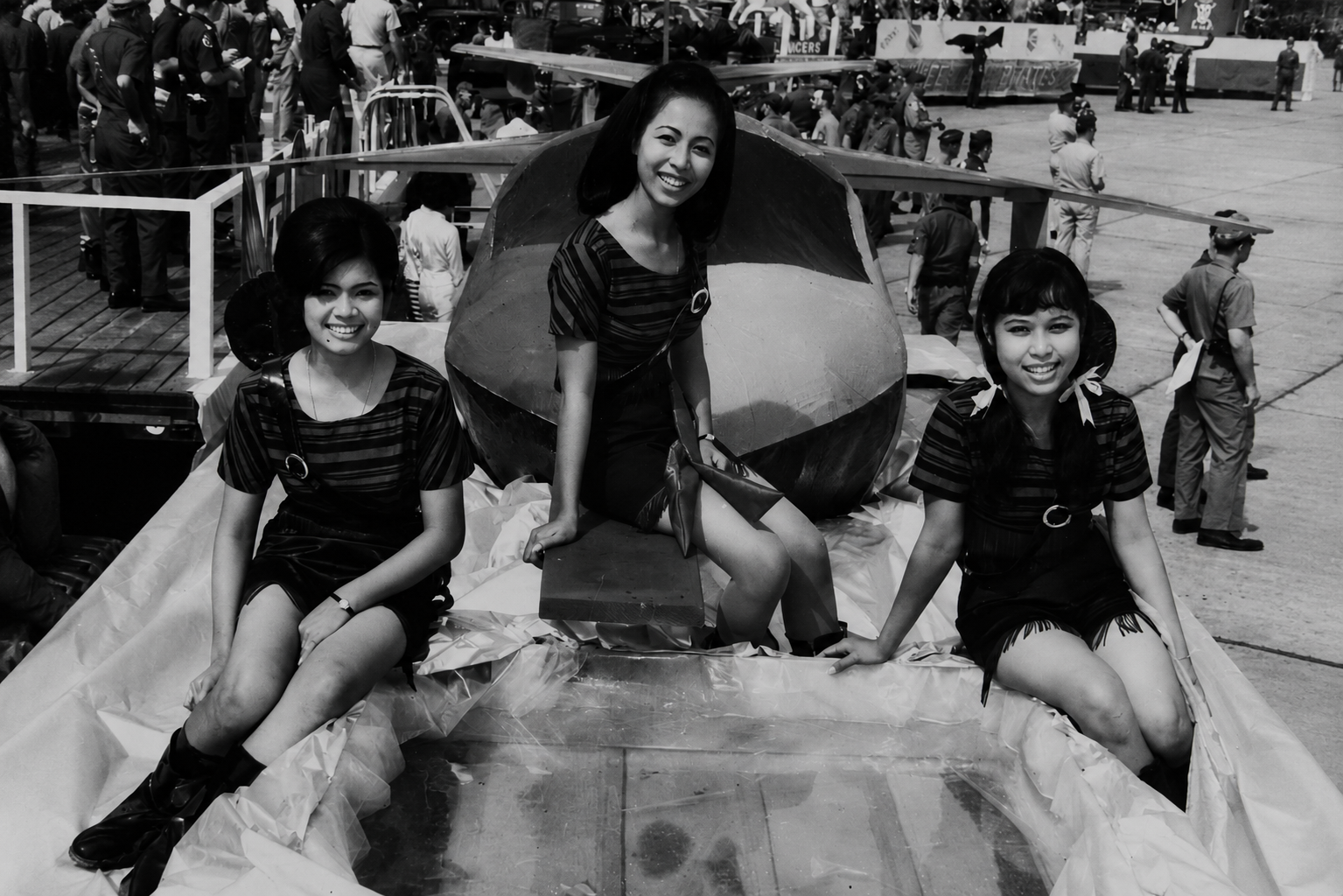
Festival of the Cold War: Welcoming Aircrews at Takhli Air Base, 1968 – A parade float enlivens the welcoming ceremony for aircrews arriving at Takhli Air Base, Thailand, during the 7th Quarterly Fighter Tactics Conference, 13 December 1968.
The image reflects the festive atmosphere surrounding the U.S. military presence in Cold War Thailand and the transformation of Takhli into a prominent American air base community.
U.S. Air Force photo, courtesy of the National Archives and Records Administration II (NARA II), College Park, Maryland
Phumplab (she/her), born and raised in Chiang Rai, Thailand, is a historian whose research explores the hidden social histories of the Cold War in Southeast Asia. Focusing on Takhli District in central Thailand, she examines how the arrival of U.S. military bases during the Second Indochina War transformed a rural agricultural community into a Cold War contact zone shaped by migration, wage labour, gendered economies, and American influence.
Drawing on oral histories, local memories, and multilingual archives, her work reveals how global war reshaped everyday life, aspirations, and social relations far beyond the battlefield, revealing the Cold War not as a distant geopolitical conflict, but as an intimate and deeply local experience.
Research presented at ARI’s 21st Singapore Graduate Forum on Southeast Asian Studies
Cold War Contact Zones: The Second Indochina War, U.S. Military Bases, and Rural Transformation in Thailand
Cold War Contact Zones, U.S. Military Bases, Rural Transformation, Second Indochina War, Thailand

Morragotwong Phumplab
Assistant Professor
Department of East Asian Studies, Thammasat University
History
Southeast Asian Studies

Tony Scott
Japan Foundation-Global Japan
Studies Fellow
Institute for Advanced Studies on Asia, University of Tokyo
Buddhist Studies
Dialectical Philology
Tony Scott is a scholar of Buddhism in Southeast Asia, pioneering a technique of dialectical philology to examine the political and social topographies of modern Pali texts and their commentaries in Myanmar. As a Japan Foundation-Global Japan Studies Fellow at the University of Tokyo, he is exploring how a centuries-old religious infrastructure and anti-imperial Buddhist internationalism supplied the raw materials for independence, nation building, and reconstruction in cold war Asia. Tony also researches the practice of meditation in early modern and modern Asia, the Buddhist-Marxist synthesis, and Indigenous epistemologies around fossils and sacred geologies in the badlands of North America.
How was modernity mediated in Southeast Asia? Was it through politics, in the market, or even on the battlefield?
Combining his training in Pali philology and the political history of the continent, Scott (he/him) makes the case that one of the main realms where modernity was meditated, contested, and appropriated was in classical religious texts. Tony takes up the case of the circa 1st-century-B.C.E. text, the Questions of Milinda, the last text added to the Pali canon of Theravada Buddhism.
By examining the ways this text was both recast and reinforced by political and monastic figures in Thailand and Myanmar during the 19th and early 20th century, Tony shows how the Questions of Milinda was used to (re)define the borders of Theravada civilization, and by extension, what Buddhism could, should, and would become in Southeast Asia in the century to follow.
Research presented at ARI’s 21st Singapore Graduate Forum on Southeast Asian Studies
Milinda and Modernity: (Re)Defining the Borders of Theravada Civilization
Pali Modernity, Pali Literature, Myanmar, Thailand
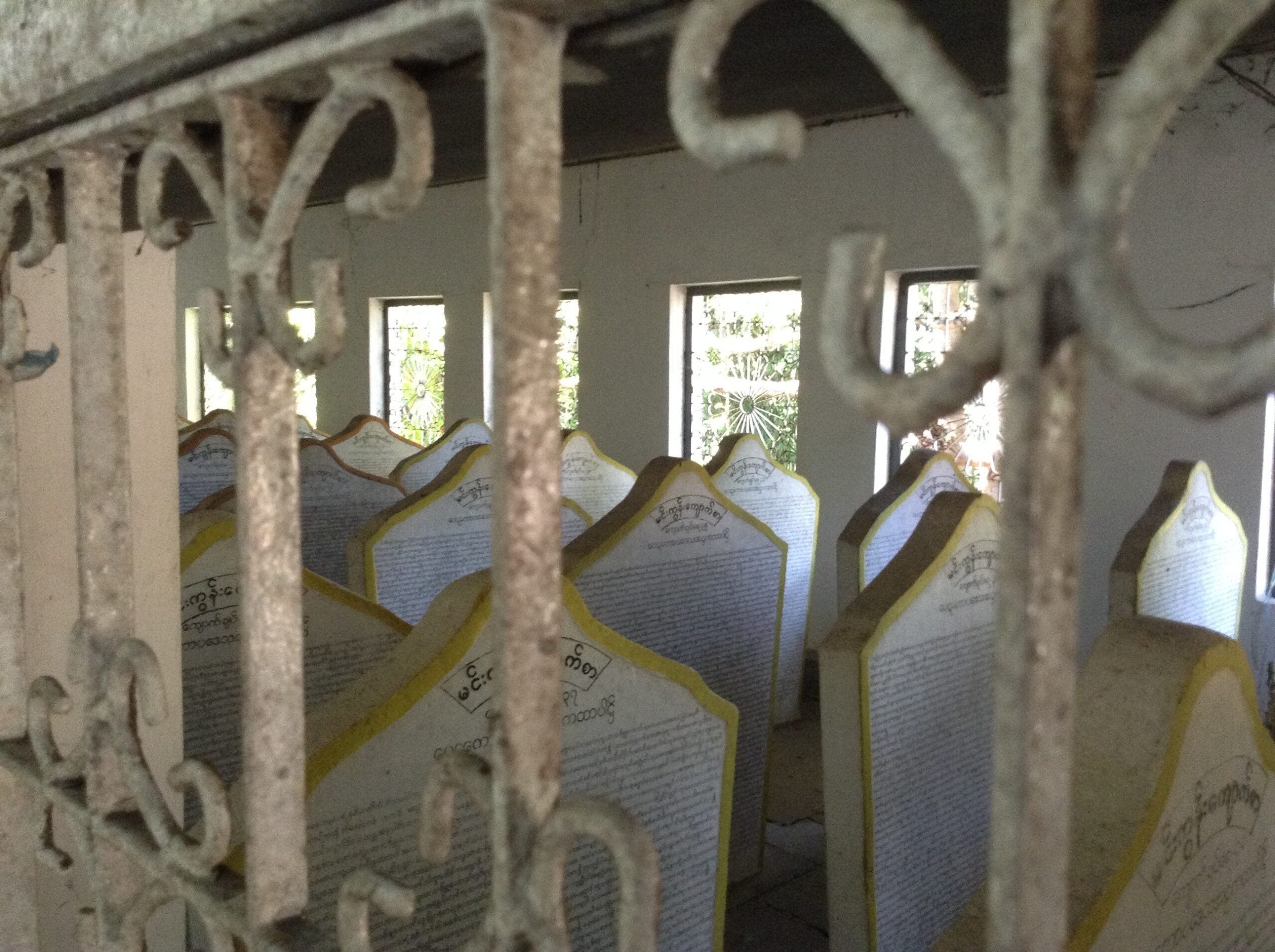
Stelae of the Commentary on the Questions of Milinda in Burmese script, written in 1926 in Pali by the pioneer of the mass-meditation movement in Myanmar, the Mingun Jetavana Sayadaw (1868-1955)
The Pali text, Questions of Milinda (Milindapañha), although more than 2000 years old, became a critical text for mediating modernity in South and Southeast Asia and a potent tool for (re)defining the borders of the Theravada universe.
Photograph courtesy of Tony Scott
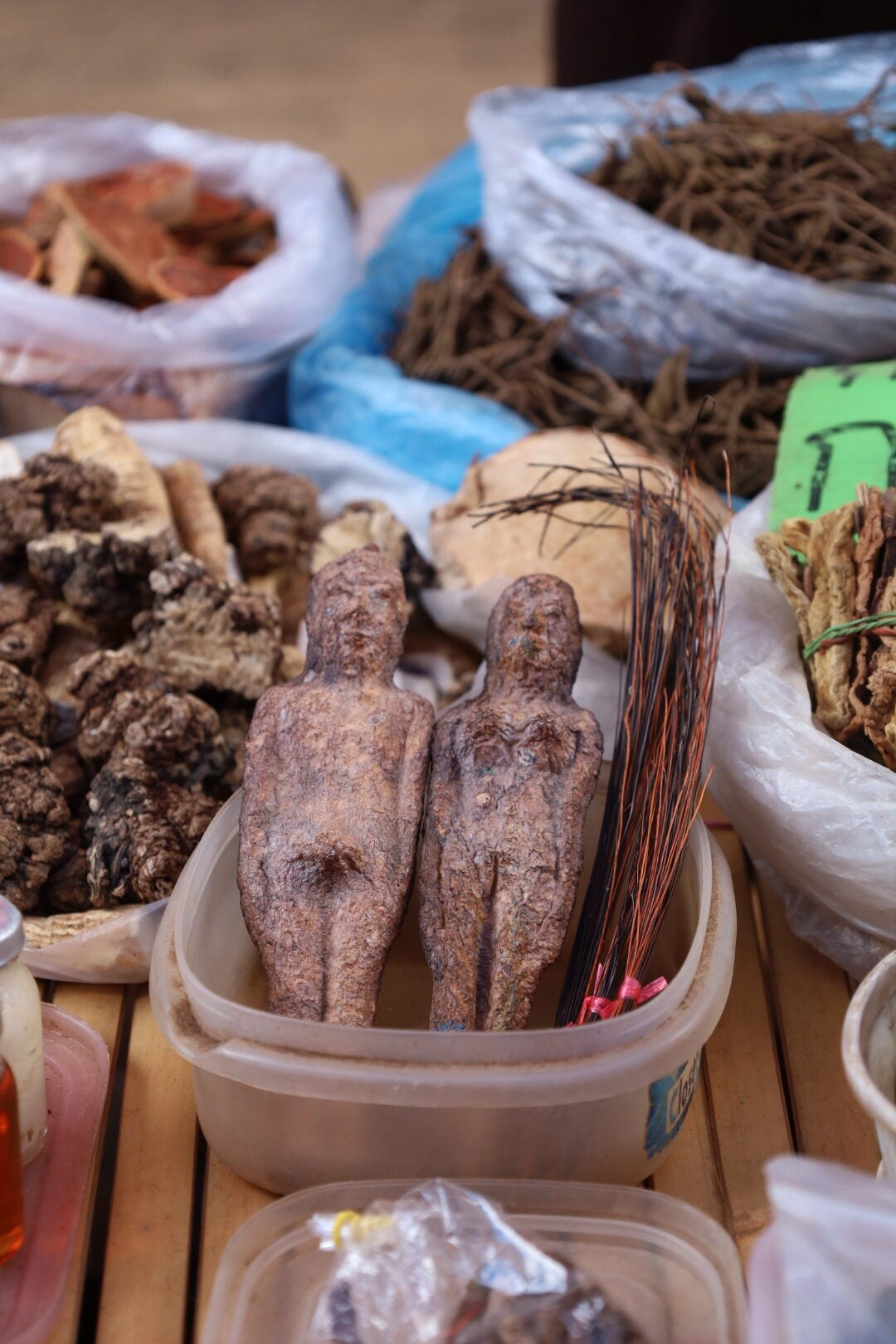
Nariphon amulets at Kantharalak Market, SiSaket, Thailand
Photograph courtesy of Roni Wang
Wang (she/her) arrived in Thailand and became infatuated with this magical forest called the Himmapan she revealed through stories that echoed throughout, in temples, in art and in everyday culture.
Exploring the narrative of the nariphon, a wonderous tree that grows in the Himmapan and bears maiden fruits, across literature, murals, cosmological parks, popular media and amulet culture, she learned how these seductive fruits became a site for shifting conceptions of masculinity. Not only that, she revealed that the nariphon were gradually elevated from their position as soulless fruits to be understood as sacred beings endowed with spiritual powers, a realization that shed light on this reimagining of masculinity.
Research presented at ARI’s 21st Singapore Graduate Forum on Southeast Asian Studies
Fruits of Desire: Nariphon Trees, Shifting Masculinities and the Making of the Sacred
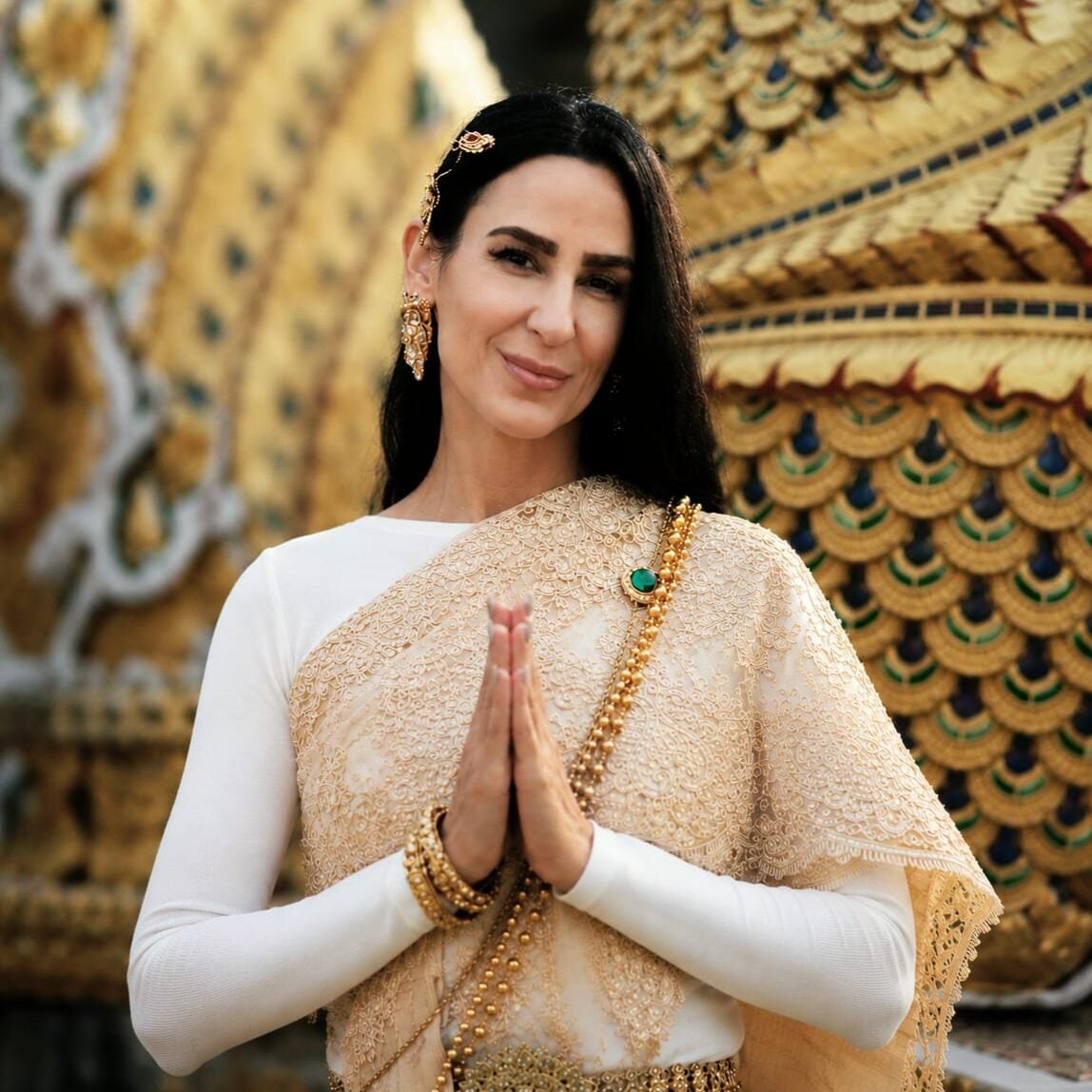
Roni Wang
Independent Scholar
Thai Buddhist Studies
Dr. Roni N. Wang holds a PhD in Religious Studies from SOAS University of London. Her doctoral research examined Thai cosmological parks, with particular attention to representations of the apāya, the lower realms of existence. An independent scholar based in Lampang, Thailand, Dr. Wang’s multidisciplinary research engages with Buddhist visual, material, and ritual culture in Thailand. Her work explores temples as artistic platforms, cosmological narratives, and their tangible and visual manifestations, focusing on the intersections between Buddhist teachings, sacred spaces and contemporary cultural expression in Thailand.